Quick Summary
This article guides you through practical steps to finish your first crochet project with confidence and without feeling overwhelmed. Designed for those seeking beginner crochet success, it offers clear advice to break down the process and overcome common challenges.
Starting your first crochet project can feel daunting. The excitement often meets hesitation as you wonder if you’ll ever get to the end or if your work will turn out as hoped. Many crafters struggle with finishing projects, overwhelmed by doubts about technique, tension, or pattern complexity. This is a common hurdle, but it doesn’t have to stop your creative journey.
Clarity and confidence are key when approaching your first crochet project. Understanding what success looks like and breaking your project into manageable steps can make the difference between frustration and fulfillment. Focusing on completion-first strategies helps you build momentum and enjoy the satisfaction of seeing your work take shape, stitch by stitch.
This guide is intended to support you through those early stages by offering practical, easy-to-follow advice. It emphasizes how to avoid overwhelm and encourages steady progress with beginner crochet success in mind. Whether you’re familiar with terms like gauge and slip stitch or exploring them for the first time, the goal is clear: finish your first crochet project with ease and confidence.
How to Finish First Crochet Project: Step-by-Step Approach
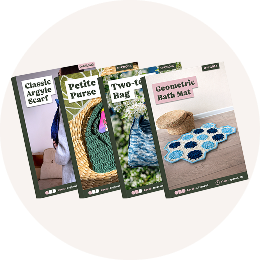
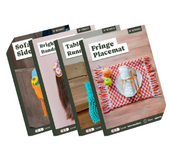
To finish your first crochet project successfully, start by choosing a small, well-defined project. Projects like dishcloths, simple scarves, or basic coasters are excellent because they involve straightforward stitches such as single crochet and don’t require complex shaping. Using beginner-friendly patterns, like the ones found in Hooks & Needles’ Small Projects Collection, helps maintain motivation and builds skills incrementally.
Once your project is selected, understand the pattern before beginning. Read through all instructions carefully, noting important details like yarn weight, hook size, and stitch abbreviations. Gauge is another essential term—it refers to the number of stitches and rows per inch, which ensures your project matches the intended size. Taking time to check your gauge before starting prevents surprises and helps avoid having to redo your work.
Breaking the project into small, achievable segments also reduces overwhelm. Set mini-goals such as completing one row or a certain number of stitches per session. This approach builds steady progress and boosts your confidence as you see visible results. Remember, consistency matters more than speed. Celebrate these small wins on your path to finishing your first crochet project.
Common Mistakes and How to Fix Them
Mistakes are part of learning crochet, but some can slow your progress or cause frustration. One frequent error is inconsistent tension, which can make your stitches uneven. To fix this, practice holding your yarn and hook comfortably and try to keep your yarn tension steady. If your work is too tight or too loose, experiment with relaxing your grip or adjusting your yarn flow.
Another common challenge is misreading patterns, especially abbreviations or special stitches. If you find yourself stuck, take a moment to review definitions or watch tutorials to clarify. Hooks & Needles offers stitch tutorials and pattern explanations that can help you interpret instructions clearly. Remember, rereading the pattern multiple times is normal and helpful.
Finally, skipping stitch counts can cause your project to become misshapen. Counting stitches regularly and using stitch markers can prevent this. If you notice an error, it’s better to unravel a few rows than to continue with mistakes that affect the final look.
Pro Tip: Keep a Project Journal
Maintaining a small journal or notebook for your crochet projects can be invaluable. Record details like yarn brand, hook size, stitch counts, and any adjustments you make. This habit helps you track what works and allows you to replicate successful projects or troubleshoot issues in the future. It also serves as a motivational log, showing how much you’ve accomplished.
We'd love to craft with you.
Your crafting journey starts here. Get premium materials, exclusive designs, and video tutorials. Join a welcoming community and receive free patterns with your first order.
Cancel anytime, no commitment.

Understanding Key Crochet Terms to Boost Confidence
Crochet terms can seem like a foreign language when you’re starting out, but understanding a few basics will make your project flow smoothly. For instance, “single crochet” is one of the simplest stitches, creating a tight, dense fabric. “Slip stitch” is used to join rounds or move across stitches without adding height. Knowing these terms helps you follow patterns accurately.
Gauge, as mentioned earlier, is critical. It’s a measure of how many stitches and rows you make with a particular yarn and hook size. Matching gauge means your finished project will be the right size and shape. If your gauge doesn’t match, try adjusting your hook size or yarn tension. This knowledge empowers you to troubleshoot and adjust your work confidently.
Another useful term is “tension,” which refers to how tightly or loosely you hold your yarn as you crochet. Tension affects the drape and size of your project. Finding a comfortable rhythm and grip will improve your consistency and help your project look polished.
Strategies to Avoid Overwhelm and Maintain Motivation
Overwhelm often arises from trying to tackle too much at once or feeling uncertain about progress. To avoid this, start with projects that align with your current skill level and gradually increase complexity. Using beginner crochet success tips like those in the Start Here section on Hooks & Needles gives you structured guidance and helps you feel supported.
Scheduling regular, short crochet sessions instead of marathon crafting days keeps your energy fresh and reduces burnout. When you crochet for 15-30 minutes daily, your skills improve steadily without pressure. Pair this with a clear project plan and mini-goals, and you’ll maintain motivation until completion.
Lastly, don’t hesitate to reach out to the crafting community for support. Sharing progress, asking questions, or simply connecting with others can provide encouragement and practical tips that ease the journey. Confidence builds over time, and every small step forward brings you closer to finishing your first crochet project.
Closing Thoughts
Finishing your first crochet project is a significant milestone that sets the tone for your crafting journey. By breaking the process into manageable steps, understanding essential terms, and avoiding common mistakes, you can cultivate confidence and reduce overwhelm. Remember, every stitch is progress, and completion is within reach with steady effort and clear focus.
Approach your project with patience and kindness toward yourself. Challenges will arise, but they offer learning opportunities that deepen your skills. The satisfaction of finishing your first crochet project will inspire you to explore new patterns and techniques with assurance.
At Hooks & Needles, we are committed to being your trusted guide, providing clear instructions, quality materials, and supportive resources. Whether you choose a small project from our collection or dive into a new pattern, know that your crafting success is our priority. Enjoy the process and celebrate your creative achievements.
FAQ
How long does it usually take to finish a first crochet project?
The time varies depending on the project size and your available time, but small beginner projects typically take a few hours to a few days with regular practice.
What is the easiest stitch to learn for a first project?
Single crochet is often recommended for beginners because it is simple, creates a dense fabric, and is foundational for many patterns.
How can I avoid frustration if I make mistakes?
Take breaks, review tutorials, and remember that unraveling stitches is a normal part of the learning process. Keeping a positive mindset helps turn mistakes into valuable lessons.
What materials should I use for my first crochet project?
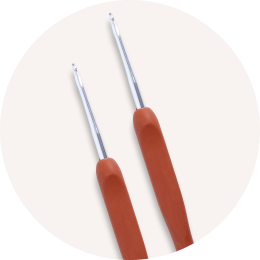
Choose a medium-weight yarn (like worsted weight) and a corresponding hook size (usually size H/5.0 mm) for easy handling. Avoid slippery or fuzzy yarns to keep stitches clear.
Where can I find beginner-friendly crochet patterns?
Hooks & Needles offers a curated Small Projects Collection with clear instructions designed to support your beginner crochet success.