Building confidence in knitting and crocheting starts with small, consistent steps. Mastering basic stitches, using quality tools, and choosing beginner-friendly projects are key to success. Each completed piece strengthens your skills and inspires you to try new techniques. Whether it's a simple dishcloth or a cozy scarf, every project is a chance to grow and enjoy the process. Let’s dive into how you can make progress, one stitch at a time.
Start with Basics and Build Muscle Memory
Focusing on core stitches, like the chain stitch for crochet or knit and purl for knitting, helps you create a strong foundation. Practice with swatches to refine tension and technique without pressure. Small projects, like dishcloths or scarves, offer quick wins and build confidence.
Use the Right Tools and Yarn
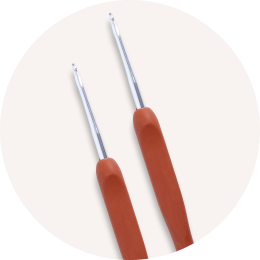
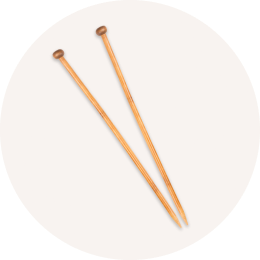
Ergonomic hooks and smooth yarn make crafting easier and more enjoyable. For instance, the 9 Pcs Blue Crochet Hook Set ($16.97) or 36 Pcs Bamboo Knitting Needles ($21.97) reduce hand strain, while yarns like Alpine Cotton Yarn ($12.97) are ideal for beginners. These choices help you focus on learning instead of struggling with materials.
Set Clear Goals and Celebrate Milestones
Break projects into manageable steps. For example, aim to master one stitch per week or complete one row per day. Celebrate progress - whether it’s finishing your first granny square or completing a scarf. Rewards like new yarn or tools can keep you motivated.
Learn Gradually and Try New Techniques
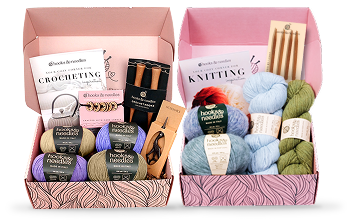
Once you’re comfortable with the basics, explore techniques like color changes or working in the round. Start with familiar stitches to ease the learning curve. Curated kits, like those from Hooks & Needles, provide patterns and materials that simplify the process. Digital patterns, starting at $5.97, are also a great way to try new projects.
Overcome Challenges with Practice
Mistakes like dropped stitches or uneven tension are normal. Tools like stitch markers or row counters can help you stay organized. Practice improves consistency, so don’t worry if your first projects aren’t perfect. Focus on the joy of creating and learning.
Enjoy the Journey
Knitting and crocheting offer more than finished projects - they provide relaxation, focus, and pride in your work. Each stitch brings you closer to mastering your craft. Ready to start? Explore curated kits and tools at Hooks & Needles to support your journey. Every stitch counts - keep going!
sbb-itb-f7119e8
Master Basic Stitches and Techniques
Getting comfortable with the basics is the first step to building confidence in your craft. Repeated practice helps develop muscle memory, giving you a solid foundation for more advanced techniques. When you can perform the fundamental stitches with ease, you'll be able to focus on the creative side of your projects without worrying about the mechanics. From here, it's all about honing specific stitches.
Start with Core Stitches
In crochet, everything begins with the chain stitch, single crochet, and double crochet. These three stitches are the backbone of countless patterns and designs. For knitting, the knit and purl stitches are your starting point. Once you can work these consistently, you’ll be ready to tackle everything from simple scarves to complex cable patterns.
Take your time mastering one stitch at a time. Many beginners rush through the basics to try more advanced techniques, but this approach often leads to frustration and uneven results. By perfecting your chain stitch tension or achieving uniform knit stitches, you set yourself up for success in every future project.
Practice with Swatches and Simple Pieces
Swatches are an excellent way to build consistency and refine your technique. These small practice squares let you experiment with tension, try out new stitches, and develop the muscle memory that makes crafting more enjoyable. Think of swatches as your practice field - a place to make mistakes, learn, and improve without the pressure of completing a full project.
You can also practice with small, straightforward projects like dishcloths, scarves, or granny squares. These use basic stitches, finish quickly, and give you a sense of accomplishment that motivates you to take on bigger challenges. For example, a dishcloth can be completed in just a few hours, giving you a quick win and reinforcing positive feelings toward your craft.
Once your technique feels consistent, it’s time to invest in the right tools to make your learning experience even better.
Use Quality Tools and Yarn
Using the right tools can make a huge difference in your learning process. Ergonomic hooks and needles reduce hand strain and improve control, so you can focus on perfecting your stitches instead of fighting with uncomfortable tools. For example, the 9 Pcs Blue Crochet Hook Set with Soft Handle ($16.97) and 36 Pcs Bamboo Knitting Needles ($21.97) from Hooks & Needles provide the comfort and precision you need to develop good habits.
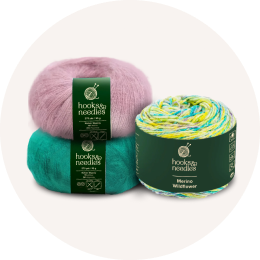
Your choice of yarn also matters. Natural fibers like cotton and bamboo are ideal for practice because they’re easy to work with and forgiving of small mistakes. The Alpine Cotton Yarn and Bamboo Touch Yarn (both $12.97) offer a smooth texture and consistent quality, making it easier to see your stitches and maintain even tension.
As Linda B. put it: "After years of half-finished projects, I finally found patterns that actually work and yarn that doesn't fight me."
The shift from frustration to success often comes down to using the right materials. When your yarn glides smoothly and your tools feel comfortable, practice becomes a joy rather than a chore.
Investing in quality tools and beginner-friendly yarn creates the perfect environment for learning. Instead of struggling with poor materials, you can focus on refining your technique and building the confidence that comes from seeing consistent, beautiful results.
Choose Simple Projects and Set Clear Goals
Once you've got the basics down, it's time to take on small projects that help you build skills and confidence without feeling overwhelmed. Picking projects with clear steps allows you to grow at your own pace while enjoying the satisfaction of completing something tangible. Regularly finishing projects fosters a positive connection with your craft, making it easier to stay motivated and keep learning.
Pick Small, Manageable Projects
The best beginner projects are those you can complete in just a few hours while practicing essential techniques. Dishcloths, scarves, and simple hats are great starting points. These projects use repetitive basic stitches, helping you develop muscle memory while creating something practical. A quick win, like finishing a dishcloth, can give you that boost of accomplishment to tackle the next challenge.
For crochet beginners, try a granny square tote bag or a simple headband. These projects rely on fundamental stitches like single crochet and double crochet, resulting in items you'll actually want to use or share as gifts. Knitters might start with a classic scarf or a small purse, which focus on basic knit and purl stitches while helping you maintain consistent tension over longer rows.
If you're looking for inspiration, check out the Hot Picks Our Community Loves collection at Hooks & Needles. It features 10 exclusive patterns designed for quick wins - each can be completed in 30 days or less, making them perfect for building confidence without committing to a months-long project.
Breaking your project into smaller, clear steps makes learning feel manageable and rewarding.
Set Step-by-Step Goals
Dividing your project into weekly goals can make the process more structured and less overwhelming. Instead of saying, "I want to make a scarf", set smaller milestones like "learn the chain stitch this week, practice single crochet next week, and start the scarf the week after." This way, you focus on one skill at a time, reducing frustration and increasing your chances of success.
For example, if you're working on a beginner scarf, aim for one row a day or a section per week. These small, measurable goals make progress visible and keep you motivated, even on days when your enthusiasm wanes.
Emma from Steel and Stitch offers this advice: "Embrace trial and error, the worst thing that will happen is that you'll learn how NOT to do something! And the more you try it the more confident you'll get."
With digital patterns from Hooks & Needles, you can break each project into its core skills. Take the Granny Square Tote Bag pattern, for instance: start by mastering the granny square technique, then move on to joining the squares, and finally add the handles. Tackling the project step by step turns what might seem complex into a series of achievable tasks.
Celebrate Progress
Every project you finish, no matter how small, is worth celebrating. Keep track of your progress by taking photos of your completed pieces, sharing them with friends, or even treating yourself to new yarn when you hit a milestone. Recognizing your achievements reinforces the joy of crafting and keeps you motivated to take on bigger challenges.
Consider keeping a journal or photo album of your finished projects. Seeing your growth over time can be incredibly rewarding and serve as a reminder of how far you've come. You could also set reward milestones for yourself - after completing your first three projects, treat yourself to a set of ergonomic hooks or splurge on premium yarn for your next creation. These little rewards not only celebrate your progress but also prepare you for even more exciting projects.
Every small success builds your confidence and prepares you to explore new techniques in future projects.
Build Skills Gradually
Once you've nailed the basics and completed a few simple projects, it's time to expand your crafting skills - step by step. Taking it slow helps you enjoy the process while boosting your confidence. Each new technique you learn strengthens your abilities, one stitch at a time. Here are some ideas to get you started.
Try New Techniques
Adding a single new technique to your repertoire keeps things fresh without feeling overwhelming. For example, color changes are a great way to elevate a simple scarf into something eye-catching without requiring advanced skills. Once you're comfortable with that, you might explore shaping techniques like increasing or decreasing stitches to create fitted hats or scarves.
Another excellent skill to try is working in the round, which unlocks projects like hats, bags, and seamless garments. If you crochet, this could mean starting with a granny square or a small pouch. Knitters can experiment with circular needles by making a simple hat, which eliminates the need for seams while offering a new way to work.
The key to learning these techniques is to pair the new with the familiar. For instance, if you're trying to work in the round for the first time, stick with stitches you already know. This way, you can focus on the new skill without feeling overwhelmed by too many unknowns.
Use Curated Patterns and Kits
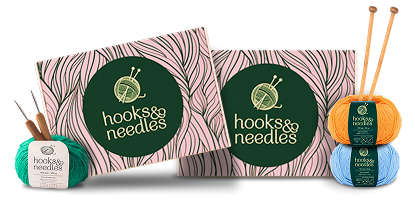
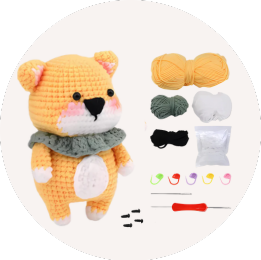
Structured learning through curated patterns and kits can make trying new techniques much easier. The Complete Crochet & Knitting Kits from Hooks & Needles are designed to guide beginners while introducing new skills at a comfortable pace. Each kit includes exclusive patterns, hand-selected European yarns, and quality tools, ensuring you have everything you need to succeed.
What sets curated kits apart is their thoughtful progression. For example, beginner kits might focus on mastering tension and basic stitches, while intermediate kits introduce techniques like colorwork or textured stitches. This eliminates the guesswork of picking the right projects or materials, allowing you to focus purely on learning and creating.
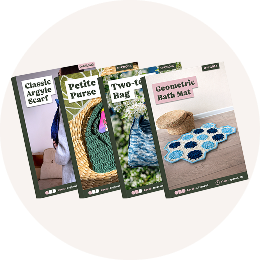
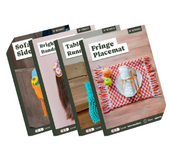
For those eager to dive into specific techniques, Hooks & Needles also offers Instant Access To Digital Patterns Created By Experts for just $5.97 each. These downloadable PDFs are easy to follow, letting you start practicing immediately. Projects like the Honeycomb Stitch Cardigan or the Granny Square Tote Bag from their Hot Picks collection are designed to be completed in 30 days or less, making them perfect for building new skills quickly.
If you're looking for ongoing learning opportunities, the monthly subscription boxes are a fantastic option. With over 225,000 boxes shipped and a 4.8/5 rating, they provide a steady stream of skill-building projects.
As Linda K. puts it: "The patterns actually work - no more half-finished projects!"
This reliability is especially important when you're learning, as clear instructions and well-designed patterns help keep frustration at bay.
Track Your Growth
Keeping track of your progress can be incredibly motivating. A simple project journal with photos of your completed pieces and notes on what you learned can help you see how far you've come. It’s also a great way to spot patterns in your learning and identify areas where you've made big strides.
Maria S. shares her experience: "I never finished projects before, but Hooks & Needles helped me complete my first headband!"
Even small wins, like finishing a headband, can feel like big milestones when you're building confidence.
Set clear, measurable goals to keep yourself on track. Instead of vague aims like "get better at knitting", try specific objectives such as "master three new stitch patterns" or "complete two hats using circular needles." These tangible goals give you something to work toward and celebrate once achieved.
Every new technique you learn and project you complete lays the groundwork for tackling more ambitious challenges in the future. What once felt out of reach will soon become your next exciting achievement.
Handle Common Problems and Stay Motivated
Every crafter faces challenges, whether it’s dropped stitches or uneven tension. The key to success lies in how you tackle these hurdles. Addressing mistakes as they come not only builds your confidence but also turns crafting into a rewarding experience. With the right approach, you can transform frustration into fulfillment.
Fix Common Mistakes
Dropped stitches are a frequent issue, but fixing them is simpler than it seems. For knitters, a crochet hook can retrieve the dropped stitch and get you back on track. Crocheters can insert their hook into the dropped stitch and continue working. Spotting these slips early is crucial, so check your work every few rows.
Uneven tension can lead to wavy or puckered fabric, which may make your projects look less polished. To keep your tension steady, hold your yarn and tools with a relaxed grip. If your stitches feel too tight or loose, consider switching to a different tool size. Beginners often find worsted-weight yarn and medium-sized hooks (around 5mm or 5.5mm) easier to manage and see clearly.
Taking regular breaks can also help you develop muscle memory for consistent tension. Practice with swatches, experimenting with different grip styles until you find what feels most comfortable. Don’t worry if your first projects aren’t perfectly uniform - your tension will naturally improve with time and practice.
Pattern mistakes often come from unclear instructions or losing your place. Slow down and follow each step carefully. If you notice an error, it’s often worth unraveling to fix it, especially when you’re just starting out and building good habits.
Using the right tools can make a big difference in avoiding these common problems.
Use Tools to Stay on Track
Having the right tools on hand can prevent many issues before they arise. Stitch markers are invaluable for tracking pattern repeats, marking increases or decreases, and organizing complex sections of your work. Placing them strategically can simplify even the most intricate patterns.
A digital row counter can help you keep track of your progress. For instance, the Digital Row Counter from Hooks & Needles, priced at $9.97, is a handy tool for managing rows and stitches with precision. As their tagline promises, it helps you "stitch smoother, count easier, and finish faster."
It’s also helpful to jot down brief notes about your progress or any adjustments you make. These notes save time when you return to a project after a break and can remind you of techniques that worked well.
When choosing materials, opt for beginner-friendly yarns that are easier to work with and forgiving of mistakes. Avoid dark colors or fuzzy textures when learning new skills, as these can make it harder to see individual stitches.
While tools and materials are important, maintaining the right mindset is just as critical.
Keep a Learning Mindset
The best crafters know that mistakes are part of the process. Each dropped stitch or uneven row teaches you something about your craft. Instead of viewing errors as setbacks, treat them as opportunities to grow.
Patience and resilience are essential for long-term success. Knitting and crocheting offer a soothing, meditative rhythm that can help reduce stress. Embrace this calming aspect, especially during tricky sections of your projects.
Celebrate your progress, no matter how small. Completing a simple dishcloth is just as worthy of recognition as finishing a complex sweater. The act of creating something with your own hands brings a unique sense of pride and accomplishment.
Keep track of your achievements with photos or a project journal. Seeing your completed work over time can be a powerful motivator, especially when you’re struggling with a challenging project. Set small, realistic goals and reward yourself when you reach them - whether it’s mastering a new stitch or completing your first wearable piece.
Building confidence takes time. Learning new skills and overcoming challenges in crafting can boost your self-esteem, but this growth happens gradually. Be patient with yourself, and focus on the joy of creating instead of striving for perfection.
Crafting isn’t just a hobby; it’s a way to find calm, express creativity, and achieve a sense of accomplishment. As more people discover the mental health benefits of knitting and crocheting, you’re joining a community of crafters who use these skills to find peace and mindfulness. It’s a journey that offers more than just finished projects - it’s a lifelong source of relaxation and joy.
Conclusion: Enjoy the Process
Knitting and crocheting are journeys, not destinations. As you build your skills and overcome challenges, embrace the idea that each day is an opportunity to learn and grow. With practice and patience, your abilities will naturally improve over time.
The real beauty of fiber arts isn’t in achieving perfect stitches but in the transformation that happens with every loop. Think about the joy of crafting your first handmade gift - that sense of wonder and accomplishment is what makes this process so special. Every stitch you make not only refines your technique but also boosts your confidence.
Patience is everything. Becoming skilled at crochet or knitting doesn’t happen overnight. It’s a gradual process that rewards regular practice and a mindful approach. Letting go of the need for perfection allows you to fully enjoy the soothing rhythm of your tools.
Beyond skill-building, the repetitive motions of crafting offer powerful mental health benefits. These gentle, meditative actions can reduce stress and improve your mood, providing a welcome pause in today’s hectic world. Taking the time to create something with your own hands brings a sense of calm and focus, helping you appreciate every step of your crafting journey.
Celebrate your progress. Whether you’ve just finished a simple square or tackled a complex pattern, each completed project is a testament to your growth. These milestones are proof of your dedication and a reminder of how far you’ve come.
The crafting community is here to share in this journey with you. At Hooks & Needles, over 169,000 crafters are "stitching their way through knit & crochet joy." This shared passion reminds us that crafting isn’t just about personal growth - it’s about connecting with others who find joy in the creative process.
With time and consistent practice, challenges will turn into achievements. Your tension will improve, your stitches will become more even, and patterns that once seemed complicated will start to feel second nature. Each moment spent crafting deepens your understanding and appreciation of this art.
Ready to take the next step? Explore our curated kits, designed with premium materials and easy-to-follow patterns to support your growth. Remember, every journey begins with a single stitch - yours is no different. Keep stitching, and enjoy every moment.
FAQs
How can I keep my tension consistent while knitting or crocheting?
Maintaining steady tension in your projects may seem tricky at first, but with a few practical tips, you'll soon get the hang of it. Start by holding your yarn and tools the same way each time you work. This simple habit helps establish a rhythm, ensuring your stitches stay consistent. Keep your hands relaxed - a tight grip can make stitching more difficult and uneven.
It’s also helpful to try out different yarns and tools to discover what feels most natural for you. For instance, medium-weight yarn paired with appropriately sized hooks or needles often offers better control over tension. Don’t forget to take regular breaks, as tired hands can lead to uneven results. With a bit of patience and practice, you’ll notice your work becoming more uniform over time!
How can I use stitch markers and row counters to make crafting easier?
Stitch markers are a handy tool for keeping your project organized. They help mark important spots like the start of a round, areas for increases or decreases, or pattern repeats. Just slide them onto your needle or hook as a quick visual cue, and move them along as your work grows.
Row counters are another useful accessory, helping you keep track of how many rows or rounds you've completed. Whether you prefer a manual click counter or a digital version, these tools save you from the hassle of remembering numbers in your head. They let you focus on your stitches and fully enjoy the crafting process without worrying about losing your place.
How can I fix mistakes like dropped stitches or uneven tension in my knitting or crochet projects?
Mistakes such as dropped stitches or uneven tension happen to everyone, especially when you're still honing your skills. If you drop a stitch, don’t panic - grab a crochet hook or your knitting needle and gently work the stitch back into place. For uneven tension, it all comes down to practice. Focus on keeping a steady grip on your yarn and tools, and with time, you’ll notice improvement.
Each mistake is a chance to grow. Take a moment to breathe, stay patient, and remember that the process is as important as the result. With consistent effort, you’ll build confidence and find joy in creating something that’s entirely your own.