Stepping into a yarn aisle can feel daunting with so many options. This guide simplifies the process, covering yarn weight, fiber types, and how to match them to your project. Whether you're a beginner or looking to refine your choices, you'll learn how to pick yarn confidently for scarves, blankets, or other creations. Let’s dive into the essentials to make your next project enjoyable.
Yarn Weight Basics
Yarn weight refers to the thickness of the yarn, impacting the look, feel, and speed of your project. The U.S. Craft Yarn Council uses a system from 0 (lace) to 7 (jumbo). Here’s a quick guide:
- Lace (0): Light and delicate for shawls or doilies.
- Worsted (4): Versatile and great for hats, mittens, and blankets.
- Bulky (5) & Super Bulky (6): Perfect for cozy, quick projects like chunky blankets.
Check your pattern for recommended weight, and match it to the label’s yarn-ball icon for best results.
Choosing the Right Fiber
The fiber determines how your project feels and performs.
- Cotton: Durable and washable, ideal for dishcloths or summer items.
- Wool: Warm and stretchy, great for winter accessories.
- Acrylic: Affordable and easy-care, perfect for beginners.
- Alpaca or Bamboo: Soft and luxurious, best for special pieces.
For beginners, start with washable wool or acrylic for ease of use and maintenance.
Color and Texture Tips
- Color: Stick to 2–3 shades for balance. Light colors make stitches easier to see, while dark or textured yarns can hide mistakes.
- Texture: Smooth yarns are beginner-friendly, while textured options like boucle or mohair add depth but require more skill.
Test with a small swatch to ensure the color and texture work for your project.
Start Small
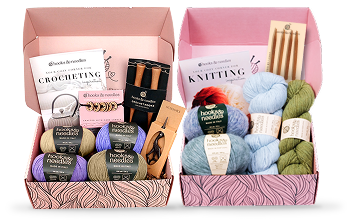
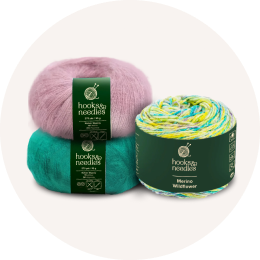
Begin with manageable projects like scarves or dishcloths to test yarn types without overspending. Buy only what you need, following the pattern’s yardage suggestions. Starter kits, like those from Hooks & Needles, provide curated options with yarn, patterns, and tools to make starting easy.
Trusted Resources
Hooks & Needles offers curated yarn collections, beginner-friendly kits, and monthly subscription boxes ($34.97/month) to simplify your shopping. Each kit includes premium yarn, patterns, and tools, saving time and reducing stress.
Conclusion
Choosing yarn doesn’t have to feel overwhelming. By understanding weight, fiber, color, and texture, you can pick materials that suit your project and skill level. Ready to create something new? Explore curated kits and yarn collections at Hooks & Needles to get started with confidence.
Step 1: Learn About Yarn Weight
When we talk about yarn weight, we're referring to the thickness of the yarn strand, not how heavy it feels. This detail is crucial because the weight you choose influences everything - how your stitches look, how the fabric feels, and even how long your project will take. For instance, a delicate lace-weight yarn creates a light and airy look, perfect for shawls, while a chunky bulky yarn works up fast and adds bold texture, ideal for cozy blankets. By understanding yarn weight, you can better match your materials to your creative vision, ensuring your finished project turns out just as you imagined.
In the U.S., most yarn labels follow a standardized system from the Craft Yarn Council. This system assigns numbers from 0 to 7 to different yarn weights, often paired with descriptive terms like "worsted" or "bulky." You’ll find this information inside a small yarn-ball icon on the label. Whether you’re shopping online at HooksNeedles.com or browsing in-store, this system simplifies the process. Just match the label to your pattern’s requirements, and you’re good to go. Trusting these labels makes choosing yarn - especially when buying online - much easier. Once you’re familiar with the range of weights available, you’ll feel confident selecting the perfect yarn for any project.
Understanding Different Yarn Weights
Yarn weights range from ultra-thin to extra-thick, each suited to specific types of projects. Here’s a quick breakdown:
- Lace weight (0): The thinnest option, great for intricate designs like doilies, shawls, and lightweight garments.
- Fingering weight (1) and sport weight (2): Slightly thicker, they provide more structure while staying breathable. These are popular for socks, baby clothes, and summer tops.
- DK or light worsted weight (3): A versatile middle ground, perfect for scarves, lightweight sweaters, and other everyday items.
- Worsted weight (4): The go-to for many crafters. It’s thick enough to work up quickly but still fine enough to show clear stitch definition, making it ideal for afghans, hats, and mittens.
- Bulky weight (5) and super bulky weight (6): These are thicker and great for projects that need to be done quickly, like chunky blankets or oversized winter accessories.
- Jumbo weight (7): The thickest of all, often used for arm knitting or bold statement pieces that can be finished in just a few hours.
The weight you choose also affects the fabric’s drape and stitch definition. Thinner yarns create flexible, flowing fabrics, while thicker ones result in more structured and sturdy pieces. For garments that need to hang gracefully, go with lighter weights. For projects like blankets that require more substance, worsted or bulky weights are the way to go. Keeping these qualities in mind ensures your yarn choice aligns with both your pattern and your desired outcome.
Pairing Yarn Weight with Your Project
Matching the yarn weight to your project is key to achieving the best results. For blankets, worsted weight (4) is a great starting point - it balances speed and warmth while keeping stitches neat and defined. If you’re aiming for a thick, cozy throw, bulky weight (5) or super bulky (6) will help you finish faster. For lightweight baby blankets, DK weight (3) or sport weight (2) offers softness and breathability.
When it comes to scarves, your choice depends on the season and style. Lighter yarns create airy, delicate scarves, while thicker options provide warmth and quicker progress. For amigurumi (crocheted toys), DK or worsted weight is preferred since these yarns create tight, even stitches that keep the stuffing hidden. Pairing this with a smaller hook results in a dense and polished finish.
For hats and mittens, worsted or bulky weights are ideal. They offer warmth, structure, and enough thickness to showcase detailed stitch patterns. If you're crafting summer garments like tank tops or cardigans, lighter weights such as fingering, sport, or DK will keep the fabric breathable and comfortable. The general rule is simple: thicker yarns mean faster progress, while thinner yarns allow for detailed work and a finer finish.
To make your shopping experience smoother, HooksNeedles.com organizes yarns by weight and project type. They even offer curated suggestions like "best worsted yarns for beginner blankets" or "DK yarns for lightweight scarves." With guides, conversion charts, and side-by-side comparisons, they help demystify terms like "worsted" and "bulky", so you can spend less time guessing and more time crocheting with confidence.
Step 2: Select the Right Fiber Type
After understanding yarn weight, the next step is to choose the right fiber. The fiber type you select influences how your project feels, looks, and holds up over time. Natural fibers like cotton, wool, alpaca, and bamboo each have unique characteristics that suit different projects. Matching the fiber to your project’s purpose is key.
Fibers react differently to washing, wear, and climate. For instance, a baby blanket that needs frequent washing will require a more durable, easy-care fiber than a delicate shawl meant for special occasions. By understanding the traits of each fiber, you can find the best option for your lifestyle, climate, and project needs. Let’s dive into the qualities of specific fibers and how they can elevate your work.
Natural Fibers: Cotton, Wool, and More
Natural fibers, sourced from plants or animals, each bring something special to crochet projects. Cotton is smooth, cool, and slightly stiff, making it a great choice for items like dishcloths, summer tops, or home décor that might need frequent washing. It absorbs moisture well and holds its shape, which is why it’s a favorite for kitchen items and washcloths. However, cotton has minimal stretch, so items may lengthen if hung to dry.
Wool, on the other hand, is warm, elastic, and forgiving. Its natural stretch helps maintain even tension, making it a great option for beginners. Wool is ideal for scarves, hats, and winter accessories because it insulates well and manages moisture effectively. For easier care, look for superwash wool, which can handle machine washing without shrinking or felting. Non-superwash wool, however, requires gentle handwashing and flat drying to maintain its shape.
Alpaca is softer and offers a luxurious drape, perfect for cozy cowls and shawls. It’s less suited for high-wear items but adds a touch of elegance to special pieces. Bamboo and other plant-based fibers, like linen blends, are silky, breathable, and lightweight. These fibers work well for shawls, summer cardigans, or baby blankets, especially in warmer climates. However, they can feel slippery on the hook, which might be tricky for beginners.
For baby projects, many crafters in the U.S. favor soft cotton or washable wool blends. These fibers are gentle on sensitive skin and can handle frequent laundering. For items like dressy wraps or shawls where a soft, flowing drape is desired, alpaca or bamboo are excellent choices, though they may need extra care when washing.
Choosing Fiber Based on Feel and Function
Comfort plays a big role in enjoying crochet, especially for beginners. Softness is essential for items that will touch the skin, like hats and scarves. A quick test - placing a strand of yarn on your wrist or stitching a few rows - can help you decide if the yarn feels good to work with.
Fibers like wool, with their natural stretch and bounce, make it easier for beginners to maintain even tension and insert the hook smoothly. In contrast, silky fibers like bamboo or linen may slide off the hook more easily, posing a small challenge until you’re more experienced. For a beginner-friendly option, consider medium-weight worsted yarn in a soft cotton or washable wool blend. These yarns are widely available in U.S. stores, easy to work with, and versatile enough for a variety of projects.
Matching the fiber to the project’s function is just as important as how it feels. Items that will see heavy use - like kids’ blankets, pet beds, or dishcloths - benefit from machine-washable and dryer-friendly fibers. For example, 100% cotton is ideal for dishcloths because it absorbs water well, withstands hot washes, and holds up to frequent cleaning. Similarly, a winter hat made for outdoor wear will perform best with a warm, elastic fiber like superwash wool, which provides insulation and keeps its shape even after repeated use.
Always follow the care instructions on the yarn label to ensure your finished project lasts. Each fiber has its own washing and maintenance needs, so taking the time to care for your creations properly will help them stand the test of time.
Step 3: Consider Color and Texture
After deciding on the weight and fiber of your yarn, it’s time to think about color and texture - two elements that truly bring your crochet projects to life. These choices not only shape the look of your work but also influence how enjoyable it is to create. A thoughtful color palette can highlight your stitches, while the right texture adds depth and dimension without requiring intricate techniques. Whether you're crafting a cozy throw for your couch or a scarf for chilly mornings, understanding how color and texture work together will help you create pieces that feel intentional and uniquely yours.
Color and texture also play a practical role in how easy it is to see your stitches as you work. For example, light and smooth yarns make each loop more visible, which is ideal when learning new patterns. On the other hand, darker or heavily textured yarns can hide mistakes, but they also make it harder to see where to place your hook. Choosing colors and textures that align with your skill level and project goals can make the process more enjoyable and leave you feeling confident in the final result.
Picking Colors for Your Project
When it comes to color, simplicity is key. Limiting your palette to two or three shades helps keep your project cohesive and visually appealing. Start by considering the mood you want to create. Are you aiming for something calm and neutral, or do you want a design that feels bright and playful? Once you’ve decided, choose a neutral base, add an accent color that reflects your style, and, if desired, include a pop of color for extra detail. This straightforward approach ensures a balanced look without overwhelming the design.
Color theory can guide your choices without requiring an art background. Warm tones like reds, oranges, and yellows bring energy and warmth, while cool tones like blues, greens, and purples create a calming effect. Combining one warm tone with one or two cool tones often results in a harmonious palette. For instance, a soft coral paired with teal and cream offers a modern and fresh look, perfect for wearables or home décor.
Pay attention to value, or the lightness and darkness of colors. Including both light and dark shades helps stitch patterns stand out. For example, pairing a light gray base with a deep teal stripe creates contrast without being harsh on the eyes - especially helpful when learning new techniques.
Lighting and context also matter. For wearables like scarves or sweaters, hold the yarn near your face in natural daylight to see how the color complements your skin tone. Some shades can brighten your complexion, while others might make it appear dull. For home décor items, compare the yarn to photos of your furniture or wall colors to ensure it either contrasts gently (like a cream pillow on a dark sofa) or matches intentionally (like a throw that echoes a color in your rug).
The type of project also influences color choices. Baby blankets often look great in soft pastels or cheerful brights made from washable yarns, while amigurumi toys benefit from bold, saturated shades that make details pop. Everyday garments work best in colors you already love and wear often, ensuring your handmade piece doesn’t end up tucked away in a drawer.
Once your color palette is set, the next step is to consider the yarn’s texture and how it complements your design.
Understanding Texture: Smooth vs. Textured Yarn
Texture refers to the surface feel of the yarn - whether it’s smooth and consistent or features bumps, fuzz, or uneven thickness. This choice significantly affects how your stitches look and how easy the yarn is to handle. Smooth yarns, such as tightly spun cotton or basic acrylic, make each stitch stand out clearly, which is ideal for beginners or when precision matters. They’re also easier to undo (or "frog") if you make a mistake since the fibers don’t cling together.
Textured yarns, like boucle, slub, or fuzzy mohair, create a soft, blended effect that’s great for cozy projects like scarves or shawls. However, their fuzziness can obscure stitch details and make it harder to see where to insert your hook. These yarns are also trickier to frog because their fibers tend to tangle.
For beginners, smooth yarns in light or medium shades are the best choice. They make it easier to see and feel each stitch, which helps build confidence and reduces frustration. Once you’ve mastered the basics, textured yarns can add visual interest without requiring advanced techniques.
Variegated and self-striping yarns are another option, creating natural stripes or patterns without the need for color changes. Before committing to a full project, crochet a small swatch to see if the yarn produces stripes, pooling, or a mottled effect - results vary depending on your stitch pattern and tension.
Heathered yarns, which mix multiple shades of the same color family, offer a soft, blended look. This style is particularly suited for relaxed pieces like sweaters or blankets, as the subtle color variation can mask minor tension inconsistencies.
Novelty textures like boucle, eyelash, or thick-and-thin yarns add instant visual interest but can be challenging to work with. These are best reserved for simple projects where precise stitch definition isn’t critical. For example, a beginner might struggle with a fuzzy novelty yarn on their first scarf, but switching to a smooth, medium-weight yarn in a favorite color can result in a wearable piece they’ll use daily during cooler months.
To test whether a yarn’s color and texture will work for your project, try creating a small swatch. Chain 10 to 15 stitches and work a few rows with the appropriate hook. Check in natural daylight to see if the color makes your stitches easy to see and if the texture feels comfortable against your skin. Rubbing the swatch on fabric can also reveal whether the yarn sheds, pills, or clings, helping you avoid issues like lint or irritation.
When you’re ready to explore the perfect combination of color and texture, Hooks & Needles offers a wide range of yarns to suit any project or skill level. Whether you’re drawn to soft neutrals, bold brights, or subtle heathered blends, starting with the right materials ensures a satisfying and enjoyable crochet experience.
sbb-itb-f7119e8
Step 4: Begin with Small Quantities
Now that you’ve got a handle on weight, fiber, color, and texture, it’s time to put that knowledge into action - without breaking the bank. A common rookie mistake in crocheting is buying too much yarn too soon. Many beginners end up with unused skeins because they picked fibers or colors that didn’t match their project or skill level. Buying just enough yarn for one project keeps things manageable and budget-friendly. Instead of feeling overwhelmed by endless options in a yarn aisle or online, narrow your focus to one simple question: What do I want to make this week? Whether it’s a dishcloth, a scarf, or a granny square coaster, small projects let you experiment with different yarns while avoiding the frustration of an unfinished blanket or sweater. Plus, completing even a small project feels rewarding and builds your confidence to keep going.
Why Starting Small Works
Small projects are like mini experiments - they let you test how different yarns behave. For instance, crocheting a cotton dishcloth will show you how the yarn handles water, how easy it is to undo stitches if you make a mistake, and how your hands feel after using it for a while. A simple scarf made with worsted weight acrylic can reveal how soft it feels, how well your stitches stand out, and whether the yarn tends to split. These hands-on lessons are far more useful than just reading a yarn label or touching a skein in a store. And because these projects can be finished in a weekend or a few evenings, you’ll avoid the drag of something that takes weeks to complete.
This approach also helps you sidestep the common pitfall of buying yarn “just in case” or because it’s on sale, only to end up with a stash of mismatched skeins. By purchasing yarn for specific projects with clear patterns and yardage requirements, you’ll avoid clutter and guilt. For example, a single-skein scarf often uses 120–220 yards of worsted weight yarn, which typically costs less than $10 at most U.S. craft stores.
Trying out a few small projects with different fibers - like a cotton dishcloth, an acrylic headband, or a wool-blend mug rug - helps you quickly figure out what you like. You might find that you love the crisp look of cotton stitches but dislike its stiffness for wearables or that acrylic feels soft but lacks the warmth of wool. These insights are hard to predict until you’ve actually worked with the yarn. Keep a small notebook to jot down details like yarn type, hook size, and your impressions (e.g., softness, splitting) for future reference. Each project becomes a stepping stone, helping you make better choices as you go.
By sticking to project-specific amounts, typically within a $15–$40 range, you can avoid overspending and waste. For instance, you might pick an affordable acrylic for a dishcloth and a cotton blend for a scarf, comparing how they feel and perform. Shopping during sales, using coupons, or opting for value packs of mini skeins can stretch your budget further while keeping your stash under control. This way, crocheting remains enjoyable and doesn’t turn into an expensive or stressful hobby.
If even this approach feels daunting, there’s an easier way to begin. Read on to learn how Hooks & Needles starter kits can simplify your crafting experience.
Try Starter Kits from Hooks & Needles
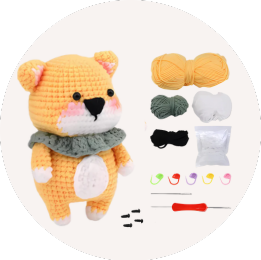
Hooks & Needles starter kits are a perfect way to take the guesswork out of starting your crochet journey. These curated bundles come with everything you need for a specific project: the right amount of yarn, a beginner-friendly pattern, the correct hook size, and often a few extras like stitch markers or a tapestry needle. Instead of wading through endless options, you can pick a kit and dive right in.
These kits are designed with beginners in mind, offering hand-picked European yarns, clear patterns written in U.S. crochet terminology, and professional-quality tools to make the process smoother. The step-by-step instructions ensure you won’t feel lost or confused. And because the yarn, hook, and pattern are pre-matched, you can focus on learning stitches and enjoying the process without worrying about whether you’ve got the right supplies.
What makes these kits especially helpful is how they eliminate the risk of incompatible materials. Each kit is labeled by skill level - like “true beginner” or “confident beginner” - so you can choose one that fits your current abilities. Plus, having everything delivered in one package saves time and reduces decision fatigue. You won’t have to wonder if you bought enough yarn or the right hook; you can just open the kit and start crocheting.
With over 225,000 boxes shipped and a 4.8 out of 5 rating, these kits have helped thousands of beginners complete their first projects successfully. Pricing is straightforward too, with beginner kits typically ranging from $15 to $40, depending on the project size and contents. This transparency makes it easier to budget and ensures you’re not overspending or missing any essentials.
As you complete a few kits, you’ll start to notice patterns in your preferences. Maybe you love the smoothness of cotton for kitchen items or the softness of acrylic for wearables. Perhaps worsted weight yarn feels just right in your hands, or you prefer larger hooks for a looser fabric. These discoveries will naturally guide your future purchases, making it easier to shop for yarn and patterns on your own. Until then, starter kits provide a simple, confidence-boosting shortcut to help you get started.
If you’re ready to try a curated kit that makes starting easy, Hooks & Needles offers a variety of beginner-friendly options. Whether you’re drawn to cozy scarves, practical dishcloths, or fun accessories, these kits ensure a satisfying and stress-free crochet experience. Start small, and enjoy the process of creating something with your own hands.
Step 5: Use Trusted Resources for Guidance
Once you’ve grasped the basics of yarn weight, fiber, and color, leaning on reliable resources can make your crafting journey much smoother. These resources simplify yarn selection by offering expert-curated options and clear advice. Instead of wading through endless choices and second-guessing your decisions, you can rely on thoughtfully selected collections and expert guidance to make confident picks. A good resource doesn’t just provide yarn - it equips you with the knowledge to choose wisely, match materials to your skill level, and successfully complete your projects.
Look for platforms that provide curated yarn collections, clear product labeling, and step-by-step project support. This combination ensures you can shop with confidence, knowing the materials you select will suit your project and skill level. It also saves time by helping you avoid mismatched yarns or materials that don’t perform as expected. For self-taught crocheters who rely on videos and blogs, having a resource that pairs specific yarns with beginner tutorials can help you achieve consistent results - even if you’re still learning the ins and outs of gauge and fiber behavior. These tools make yarn shopping less intimidating and more enjoyable.
Finding Yarn Recommendations
Just like starter kits simplify beginning a project, curated recommendations ensure you always pick the right yarn. Hooks & Needles makes this process easier by offering collections tailored for crocheters of all skill levels. Instead of sifting through thousands of options on general marketplaces, you can explore focused collections that include teaching materials and project ideas. For instance, the “Natural Fibre European Yarns” section organizes yarns by shade, style, and weight, making it simple to find what you need. Each yarn comes with standardized information - like weight category, gauge, fiber content, and care instructions - so you can compare options easily and make informed choices.
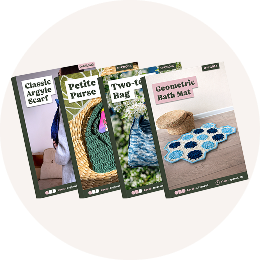
What makes this approach stand out is how it pairs yarn suggestions with exclusive patterns created by experts. The “Hot Picks Our Community Loves” section features beginner-friendly projects like the Honeycomb Stitch Cardigan, Granny Square Tote Bag, and Baby Lamb Stuffie. Each pattern is matched with yarn that has been tested to ensure compatibility in terms of weight, fiber, and hook size. This eliminates the frustration of choosing yarn that doesn’t work for your pattern or produces unexpected results.
Clear instructions accompany every pattern, helping you build confidence and develop your skills. Whether you’re just starting out or ready to try more advanced stitches, the guidance is tailored to your current abilities. You won’t feel overwhelmed because the patterns use straightforward U.S. crochet terminology, keeping everything consistent and easy to follow.
With over 169,000 satisfied customers, Hooks & Needles has earned a reputation for making yarn selection simple and stress-free. Customer reviews highlight how expert guidance transforms the process from confusing to enjoyable.
By relying on curated collections and expertly designed patterns, you can focus on the creative aspects of crocheting rather than worrying about material choices. Hooks & Needles serves as a one-stop resource, eliminating the need to search multiple stores for yarn and patterns. This is especially helpful for beginners still learning to identify quality yarns and understand fiber behavior across different projects.
For an even more streamlined experience, Hooks & Needles also offers subscription boxes that deliver complete kits directly to your door.
Using Subscription Boxes to Save Time
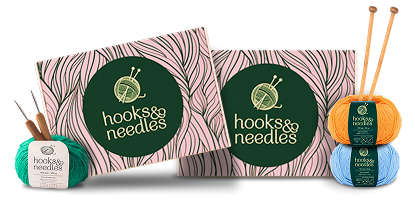
The Monthly Hooks & Needles Box, priced at $34.97 per month, provides a beginner-friendly kit that includes premium yarn, exclusive patterns, professional tools, and fun crafting surprises. Each box is tailored to a specific project, giving you everything you need in one convenient package.
Subscription boxes are particularly helpful for beginners because they remove the stress of decision-making. Instead of standing in a store aisle or endlessly scrolling online, you can simply open your box and start crocheting. The yarn, pattern, and hook size are all pre-matched and tested, so you can focus on learning and enjoying the process rather than worrying about compatibility. Plus, these monthly deliveries introduce you to new fibers and textures at a manageable pace, helping you discover your preferences without overspending or cluttering your space.
The boxes are designed with beginners in mind, offering clear, step-by-step instructions that guide you through each project. With a 4.8 out of 5 rating, the subscription service has helped many crocheters complete projects they might have otherwise abandoned.
Another benefit is variety. Each month, you’ll experiment with a new yarn type, color palette, or project style. Over time, you’ll start noticing patterns in what you enjoy - like the drape of cotton for household items or the softness of acrylic for wearables. This insight will guide your future purchases when you’re ready to shop independently. Until then, the subscription box offers a gentle introduction to the world of yarn, reducing the risk of buying materials you won’t use or finishing projects you’ve started.
Convenience is a major perk as well. With delivery straight to your door and the flexibility to cancel anytime, you can try the service without a long-term commitment. Many subscribers love the excitement of receiving their “happy mail” each month - a box filled with beautiful yarns and creative possibilities feels like a monthly gift to yourself. And because the boxes include exclusive patterns, you’ll always have something fresh and interesting to work on.
For beginners who feel overwhelmed by the endless yarn options, a subscription box offers a curated, stress-free way to learn and grow. You’ll build skills, complete projects, and discover your preferences - all while enjoying the process. As Hooks & Needles puts it:
Natural fibre yarns, clear guidance, and a supportive crafting family - all in one place.
This blend of quality materials, expert advice, and ongoing encouragement creates an environment where beginners can thrive.
Ready to simplify your yarn shopping and dive into your next project? Check out the curated collections and subscription options at Hooks & Needles. Whether you prefer browsing hand-picked yarns or receiving a complete kit each month, you’ll find everything you need to make crocheting fun and rewarding.
Conclusion
Picking the right yarn doesn’t have to feel like a daunting task. By learning about yarn weight, choosing fibers that suit your project, and thinking about color and texture before buying in bulk, you’ve got the basics covered for confident shopping. These small steps pave the way for a relaxed and enjoyable crafting experience.
Every skilled crafter once stood where you are - unsure about fibers, weights, and what to choose. The key to progress often lies in having the right tools and guidance. Many seasoned crafters recommend starting with beginner-friendly yarns, giving you room to learn through practice instead of getting lost in endless research.
Hooks & Needles takes the guesswork out of choosing yarn with their beginner-friendly bundles, easy-to-follow guides, and curated suggestions for first projects like scarves, baby blankets, and dishcloths. Their promise says it all: “We promise premium artisan yarns, clear instructions that build your confidence, thoughtful convenience delivered to your door, and a warm crafting community that celebrates every stitch.” With over 169,000 happy customers and a 4.8 out of 5 rating for their subscription boxes, they’ve helped countless beginners turn unfinished projects into pieces they’re proud to share.
As you try different fibers and textures, you’ll naturally find what feels best in your hands and suits the projects you enjoy most. Don’t forget to consider climate - cotton yarns are great for warmer areas, while wool blends add a cozy touch in cooler seasons. Affordable yarn options under a few dollars per skein let you practice without worry, and premium choices are perfect for those special creations. The first yarn you choose doesn’t have to be flawless - it just needs to get you started.
When you’re ready for your next project, check out the curated collections, complete kits, and subscription options at Hooks & Needles. From European yarns to exclusive patterns and trusted tools, they’ve built a crafting community that’s here to celebrate every stitch and make your crochet journey truly rewarding.
FAQs
How can I choose the right yarn weight for my project, like a blanket or scarf?
Choosing the right yarn weight starts with understanding your project and the texture you want to achieve. For blankets, medium-weight options like worsted or aran are popular choices. They’re warm, durable, and easy to handle - perfect for cozy creations. If you’re making a scarf, lighter weights such as sport or DK can give you that soft, delicate finish many people love.
Be sure to check your pattern for yarn recommendations, but don’t hesitate to try out different weights to see what works best for your style. With the wide selection of yarns available at Hooks & Needles, you’re sure to find the ideal match for any project!
What’s the difference between natural and synthetic yarn fibers, and how do they impact my crochet projects?
Natural fibers, like cotton, wool, and alpaca, come from plants or animals and are known for being soft, breathable, and warm. They’re perfect for projects like cozy sweaters, lightweight summer tops, or environmentally-conscious creations. Keep in mind, though, that these fibers often need extra care, such as hand washing or air drying, to keep them in good shape.
On the other hand, synthetic fibers, including acrylic and nylon, are man-made and tend to be more budget-friendly and long-lasting. They’re low-maintenance, often machine washable, and resistant to shrinking, making them a great choice for everyday items like blankets or accessories.
When selecting yarn, think about the purpose of your project and how much care it will require. If you’re feeling unsure, check out the guides and tips available at HooksNeedles.com to help simplify your choice!
How do I pick a yarn color palette that works well without feeling overwhelming?
Choosing the right color palette for your crochet project might seem overwhelming at first, but it’s easier than you think. Start by considering the purpose of your project. Are you crafting a warm blanket, a chic accessory, or a fun, playful gift? Neutral tones like beige, gray, or cream can create a nice balance when paired with bold, eye-catching colors. On the other hand, if you’re going for a lively, colorful look, stick with 2-3 complementary shades from the color wheel to keep things visually harmonious.
Not sure where to begin? Lay out your yarn choices side by side before diving in - it’s a simple way to see how the colors work together. For added guidance, Hooks & Needles provides handy tips and recommendations to help you make confident decisions. And remember, there’s no wrong way to bring your vision to life. Let your creativity shine and enjoy experimenting with different combinations!