Quick Summary
This article helps crafters select their first crochet hook size with confidence by explaining essential considerations and common mistakes. It’s designed for those ready to start crochet without overwhelm.
Understanding the Importance of Your First Crochet Hook Size
Selecting your first crochet hook size sets the foundation for your crochet journey. The right hook size affects stitch definition, yarn tension, and the overall feel of your project. While it may seem like a minor detail, choosing incorrectly can lead to frustration, uneven stitches, and even abandoning projects. This guide aims to clarify what to consider so you can start with confidence, reducing decision fatigue commonly experienced when faced with numerous options.
Crochet hooks come in various sizes, each suited for different yarn weights and project types. Beginners often hesitate between smaller hooks that produce tight stitches and larger hooks that create more open work. Understanding the relationship between hook size, yarn weight, and project goals allows you to make an informed choice. This clarity leads to more enjoyable crafting and better results.
How to Choose Your First Crochet Hook Size
Your first crochet hook size should align with the yarn you plan to use and the type of projects you want to create. Common beginner yarns are labeled as worsted weight (medium weight), and a hook size between 5.0 mm (H-8) and 6.0 mm (J-10) typically works well with these yarns. This size range balances ease of handling and stitch visibility, helping you observe your work clearly.
When selecting your hook, consider the recommended hook size printed on your yarn label, which provides a useful starting point. However, personal tension varies—some crafters crochet tightly, requiring a larger hook to loosen stitches, while others crochet loosely and may need a smaller hook. Don’t hesitate to test different sizes if possible. Holding the hook comfortably and seeing the stitches form naturally are good indicators of the proper size.
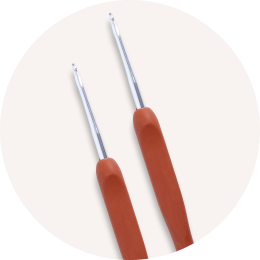
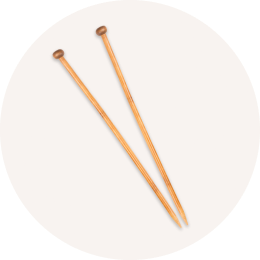
It’s also worth noting that hooks come in various materials such as aluminum, bamboo, and plastic. Each offers a different grip and weight, which can influence your comfort and control. For your first hook, a smooth, medium-weight aluminum or bamboo hook is often preferred for its balance between durability and comfort.
Common Mistakes and How to Fix Them
One frequent mistake is choosing a hook size solely based on aesthetics or price rather than compatibility with yarn and tension. This can result in projects that are too tight or too loose, impacting the finished piece’s look and feel. To fix this, always start by checking your yarn label’s suggested hook size and adjust based on your tension.
Another error is ignoring comfort. Using a hook that’s too small or too large for your hand can cause fatigue and discourage ongoing practice. If you notice discomfort, try different hook materials or ergonomic handles designed to reduce strain.
Pro Tip: Start with a Hook Size That Matches Medium Weight Yarn
For most beginners, choosing a 5.0 mm (H-8) or 5.5 mm (I-9) crochet hook paired with worsted weight yarn offers an excellent balance. This combination allows you to see stitches clearly, maintain manageable tension, and complete projects with a satisfying drape. From there, you can experiment with other sizes as your skills develop.
Understanding Key Terms: Hook Size, Gauge, and Tension
Hook size refers to the diameter of the crochet hook’s shaft and is typically measured in millimeters or standard US letter/number sizes. The size affects how large or small your stitches will be.
Gauge is the number of stitches and rows per inch in a crochet project. It’s crucial because it ensures your finished item matches the intended size. Gauge depends on the hook size, yarn weight, and your tension.
Tension is the tightness or looseness of your crochet stitches. It varies from person to person and impacts gauge and the final texture of your work. Adjusting hook size helps control tension to achieve the correct gauge.
We'd love to craft with you.
Your crafting journey starts here. Get premium materials, exclusive designs, and video tutorials. Join a welcoming community and receive free patterns with your first order.
Cancel anytime, no commitment.

Additional Tips for Selecting Beginner Crochet Tools
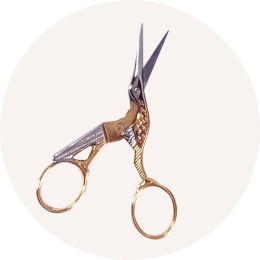
Beyond hook size, your toolkit should include essentials such as yarn scissors, stitch markers, a yarn needle, and a measuring tape. These tools support smoother project flow and easier finishing. When choosing hooks, consider ergonomic grips if you anticipate long sessions or have hand sensitivity.
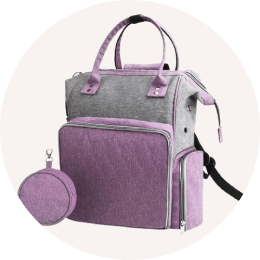
Remember to keep your hook clean and store it safely to avoid damage and maintain smooth stitching. Having a dedicated case or pouch can protect your tools and keep them organized. Starting with a small, manageable selection reduces overwhelm and allows you to focus on mastering technique.
Why Choosing the Right First Crochet Hook Size Matters
Using the recommended first crochet hook size helps you learn stitch formation properly, control tension, and create consistent gauge. If your hook is too small, stitches may be too tight, causing hand strain and slow progress. If too large, stitches might be loose and uneven, making the project look sloppy.
Choosing a comfortable hook size and material encourages longer practice periods. Confidence in your tools translates to a more enjoyable crafting experience and increases the likelihood that you’ll successfully complete projects. This foundation is critical for developing your skills and exploring more complex stitches in the future.
Closing Thoughts
Selecting your first crochet hook size is a meaningful step in your crafting journey. By considering yarn weight, your natural tension, and comfort, you can find a hook that feels right and supports your learning. This clarity reduces frustration and builds confidence as you progress.
Remember, there’s no single perfect size for everyone. Experimenting within recommended ranges and paying attention to how your hands feel will guide you to what works best. With the right hook and tools, you’re well-equipped to enjoy the meditative and creative process of crochet.
We invite you to explore more resources and patterns at Hooks & Needles, your trusted guide to yarn crafts with modern patterns and clear instructions. Every stitch you make is a step toward mastery.
FAQ
What is the best first crochet hook size for a beginner?
A 5.0 mm (H-8) or 5.5 mm (I-9) crochet hook paired with worsted weight yarn is generally the best starting point, balancing ease of use and stitch clarity.
How do I know if my hook size is right?
Your hook size is right if you can comfortably hold it, your stitches are even, and your project matches the gauge specified in your pattern or yarn label.
Can I use any hook size with any yarn?
Not ideally. Hook size should correspond with the yarn weight to ensure proper tension and stitch appearance. Yarn labels usually recommend suitable hook sizes.
What if my stitches are too tight or too loose?
If stitches are too tight, try a larger hook size. If too loose, switch to a smaller hook. Adjusting hook size helps achieve the correct tension and gauge.
Are ergonomic hooks better for beginners?
Ergonomic hooks can reduce hand fatigue and offer a comfortable grip, which is beneficial especially during longer crochet sessions, but comfort preference varies per individual.