Quick Summary
This article explores practical crochet projects for small spaces designed to minimize leftover yarn and reduce clutter. It’s ideal for crafters seeking portable, low-storage projects that fit limited living areas.
For many passionate crocheters, limited living or crafting space can become a hurdle to fully enjoying their hobby. When your stash is large but your storage options are not, leftover yarn piles and unfinished bulky projects can overwhelm even the most organized maker. This article addresses that challenge by focusing on crochet projects for small spaces that help keep yarn usage efficient and clutter to a minimum. Through mindful project selection and smart storage solutions, you can maintain clarity and confidence in your crafting environment.
Beyond just saving space, these projects encourage portability and ease of completion, ideal for those who enjoy crafting on the go or in compact areas. By embracing smaller, purposeful projects, you’ll find it easier to finish more pieces, reduce waste, and enjoy the therapeutic benefits of crochet without added stress. This guide offers a clear path to crafting success when space is a priority.
Crochet Projects for Small Spaces: What to Choose and Why
Selecting the right crochet projects when working within a limited space involves thinking about size, yarn quantity, and storage needs. Projects like coasters, small pouches, dishcloths, or decorative appliqués use minimal yarn and occupy little room during and after crafting. These items are not only quick to finish but also functional, reducing clutter by serving immediate household needs.
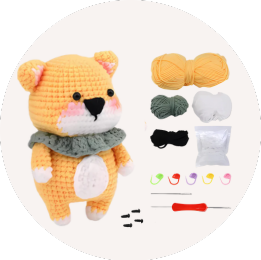
Additionally, projects that require fewer tools and limited workspace, such as amigurumi or compact accessories, are well suited to small spaces. Choosing projects that align with your lifestyle and space constraints results in more consistent completion rates and less frustration. It also promotes a sense of accomplishment that can motivate future crafting efforts.
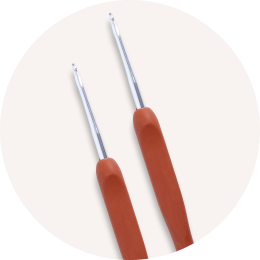
When planning your projects, consider yarn weight and hook size, as these factors influence how much yarn is needed and how bulky the finished piece will be. Lightweight yarns paired with smaller hooks tend to produce more compact work, ideal for small-space crafting. Integrating these considerations from the start helps minimize leftover yarn and optimizes your crafting experience.
Common Mistakes and How to Fix Them
One common mistake is starting large projects without assessing space and storage potential, leading to unfinished items and excess yarn scraps. To avoid this, opt for projects with clear, achievable goals and manageable dimensions. Another issue is neglecting yarn organization, which can cause tangling and misplacement, adding to clutter. Implementing simple storage solutions like divided containers or project bags can help maintain order.
Overbuying yarn or selecting multiple skeins without a project plan often results in leftover yarn that can be difficult to store attractively. To fix this, buy yarn in quantities matched to your project size and keep a small inventory dedicated to minimal leftover yarn projects. This approach reduces waste and streamlines your crafting supplies.
Pro Tip
Use stitch markers and maintain consistent gauge to ensure your small projects turn out the right size, reducing the likelihood of redoing pieces and creating extra waste. Keeping a project journal with notes on yarn usage and tension can also help refine your future choices for small-space projects.
Smart Storage Tips for Small-Space Crochet Crafters
Proper storage is essential to keep your crafting area tidy and your yarn stash accessible. Utilizing vertical storage options such as wall-mounted racks or pegboards maximizes unused space and keeps tools within reach. Transparent containers allow you to quickly identify yarn colors and weights without opening every box, saving time and reducing mess.
Project-specific storage solutions, such as labeled zippered bags or small baskets, help separate active works from completed items. This separation prevents tangled yarn and lost tools. For very limited spaces, compact storage furniture with multi-purpose functionality, like ottomans or fold-out tables with hidden compartments, can be extremely effective.
Incorporating small storage crafts into your routine, like crochet baskets or pouches designed specifically for organizing yarn scraps and hooks, reinforces a clutter-free environment while adding charm and personalization to your space.
We'd love to craft with you.
Your crafting journey starts here. Get premium materials, exclusive designs, and video tutorials. Join a welcoming community and receive free patterns with your first order.
Cancel anytime, no commitment.

Portable and Low-Clutter Crochet Routines
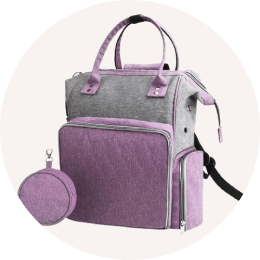
Maintaining a clutter-free crochet routine requires intentional project selection and dedicated crafting habits. Portable projects like small amigurumi, headbands, or mug cozies allow you to crochet comfortably in various locations without needing extensive supplies. Keeping a small project bag stocked with only the essentials—hooks, yarn, scissors, and stitch markers—helps avoid excess items crowding your space.
Scheduling regular review sessions for your yarn stash to sort and repurpose leftover yarn reduces clutter buildup over time. Leftover yarn can be creatively incorporated into patchwork projects or used for practice swatches. This method ensures minimal leftover yarn remains unused and your crafting area stays tidy.
These routines also encourage mindful crafting, where each project is selected based on space and time availability, fostering a satisfying and sustainable crochet practice that complements your lifestyle.
Understanding Key Crochet Terms for Small-Space Projects
To make the most of crochet projects for small spaces, it’s helpful to understand basic crochet terminology. Gauge refers to the number of stitches and rows per inch, which affects the size of your finished project. Maintaining consistent gauge ensures your small projects come out the intended size, preventing waste.
Tension is the tightness of your stitches and also impacts project dimensions and yarn consumption. Learning to control tension can minimize leftover yarn by producing work that matches pattern specifications. Terms like slip stitch and single crochet describe fundamental stitches used in many small projects, often chosen for their compact and sturdy texture.
Familiarity with these terms builds confidence and accuracy, making your small-space crochet work more efficient and enjoyable.
Closing Thoughts
Embracing crochet projects for small spaces involves more than just size—it’s about thoughtful selection, efficient yarn use, and intentional storage. By choosing portable, manageable projects and maintaining organized crafting routines, you can enjoy your hobby fully, even in limited areas. This approach helps reduce leftover yarn and clutter, making your creative space both functional and inspiring.
Remember, clarity and confidence come from understanding your materials, tools, and space constraints. With these insights, finishing projects becomes a rewarding experience rather than a source of stress. We encourage you to explore the wide variety of small projects and storage ideas available, adapting them to your unique crafting environment.
Hooks & Needles is here as your trusted guide, offering modern patterns, yarn advice, and helpful tutorials to support your journey. Whether you’re refining your skills or seeking fresh ideas, our community and resources are designed to meet your needs with clarity and care.
FAQ
What are some quick crochet projects suitable for small spaces?
Coasters, dishcloths, small pouches, and amigurumi figures are excellent quick projects that use minimal yarn and require little storage space. These projects are portable and practical for small-space crafters.
How can I minimize leftover yarn when crocheting?
Plan projects using the exact yarn amount recommended, choose patterns designed for small yarn quantities, and repurpose leftover yarn in patchwork or scrap projects to minimize waste and clutter.
What storage solutions work best for limited crafting spaces?
Use vertical storage like wall racks, clear containers for easy visibility, and project-specific bags or baskets to keep yarn and tools organized without taking up much room.
How can I keep my crochet projects portable?
Choose small, lightweight projects and organize your tools and yarn in a compact project bag to carry everything you need for crochet on the go.
What crochet terms should I know for small-space projects?
Understanding gauge, tension, slip stitch, and single crochet is key for managing project size and yarn use efficiently in small-space crochet.