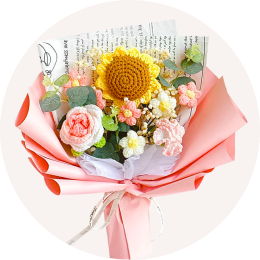
Choosing between crochet and knitting depends on your goals and learning style. Crochet uses a single hook, making it simpler for beginners to manage. Its larger stitches allow faster progress and are ideal for sturdy items like blankets or toys. Knitting, with two needles, creates smooth, stretchy fabrics perfect for clothing but has a steeper learning curve. Both crafts are budget-friendly to start, with crochet kits starting around $25 and knitting kits slightly higher due to additional tools. Crochet offers quick wins, while knitting rewards patience with refined results. Ready to start? Explore beginner-friendly kits at Hooks & Needles.
Tools and Techniques: How They Differ
The tools and techniques used in crochet and knitting play a major role in shaping the crafting experience. Each approach has unique aspects that influence how easy it is for beginners to pick up and enjoy. Let’s explore how these differences impact your crafting journey.
Hooks vs. Needles: Tool Basics
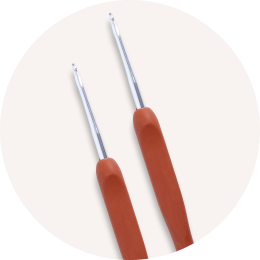
Crochet uses a single hook with a curved end, held in your dominant hand. This simplicity means you only manage one tool, making it easier to focus on the process. The hook is designed to catch and pull yarn through loops, forming stitches. One of crochet’s standout features is that you don’t need to worry about juggling multiple tools or dropping stitches. If you need to pause, your work stays secure on the hook.
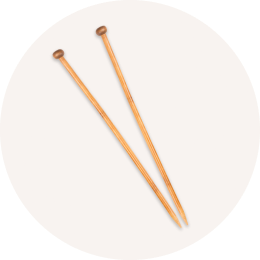
Knitting, on the other hand, requires two needles - one in each hand - that work together. This setup demands more coordination right from the start. You’ll need to keep multiple stitches active on the needles while managing both tools. Beginners often find this challenging, as stitches can slip off the needles, leading to frustration and slower progress.
Crochet’s single-hook design offers additional convenience. You can set your project down at any time without risking unraveling. In knitting, dropped needles can cause active stitches to unravel, requiring extra care.
When it comes to cost, starter kits for both crafts are similarly priced at Hooks & Needles. However, as you advance, knitting often requires additional tools like double-pointed needles, cable needles, and stitch holders for complex patterns. Crochet remains simpler, with just hooks in various sizes needed even for intricate designs.
How Stitches Are Made
The process of forming stitches differs significantly between crochet and knitting, influencing both the learning curve and the final look of your projects.
In crochet, each stitch is completed individually before moving on to the next. The hook holds only the current stitch, making it a one-at-a-time process. You work by piercing through previous rows and pulling loops through, creating a series of chain-like knots. This method is straightforward and easy to follow, especially for beginners.
Knitting takes a different approach. All stitches in a row remain active on the needles until the next row is worked. These stitches form interlocking loops rather than knots, creating a distinct fabric structure. Maintaining even tension across all active stitches requires more focus and practice, which can be challenging for new crafters.
The difference in stitch structure also affects the fabric. Knitted fabric is more flexible and drapes well, thanks to its interlocking loops. It’s smooth, uniform, and ideal for clothing. Crochet fabric, by contrast, is thicker and less stretchy, with a textured appearance and often decorative holes. This makes it better suited for items like blankets or accessories where structure is key.
Crochet stitches are typically larger than knitting stitches, making it easier for beginners to see their work and understand the process. This visual clarity can boost confidence as you progress. However, crochet uses about 30% more yarn than knitting to cover the same area, making knitting more economical in the long run. That said, crochet’s quicker stitch completion often allows beginners to see results faster.
Fixing mistakes is another area where the crafts differ. In knitting, dropping a stitch can unravel an entire column below, creating a “ladder” that requires careful repair. Crochet, on the other hand, is more forgiving. If you make a mistake, you can simply pull the yarn to undo your work back to the error and start again. Since only one stitch is active at a time, there’s no risk of losing multiple stitches.
Which Craft is Easier to Learn?
Starting your journey in fiber arts can feel exciting yet a bit overwhelming. Choosing between crochet and knitting often comes down to understanding how quickly you can pick up the basics and start enjoying the process. While both crafts are beginner-friendly, they differ in how easy it is to get started and build confidence.
Hand Coordination: Crochet vs. Knitting
Crochet tends to be more straightforward for beginners because of its simpler hand movements. With crochet, you're using just one hook and working with a single active loop at a time. This simplicity allows you to focus on learning the motion without feeling overwhelmed. On the other hand, knitting involves juggling two needles and keeping multiple live stitches active across each row. This multitasking can be tricky for new crafters, especially when stitches slip off the needles, which is a common frustration early on.
Crochet is also a better fit for younger children, particularly those under 8, as the basic motion of pulling a loop through another loop aligns well with their developing motor skills. Adults dealing with conditions like arthritis or carpal tunnel syndrome often find crochet more comfortable, thanks to its single-tool design and reduced strain on the hands. The repetitive motion of crochet - insert the hook, catch the yarn, pull it through - feels natural and less demanding compared to the more intricate hand positions required in knitting.
Knitting, by contrast, requires transferring stitches from one needle to another while maintaining consistent tension. This adds a layer of complexity that can slow down the learning process for beginners who are still developing muscle memory.
Fixing Mistakes: A Beginner's Lifeline
Mistakes are inevitable when learning any craft, but how easy they are to fix can make or break your experience. Crochet offers a forgiving approach: if you spot an error, you can simply pull the yarn back to the mistake - a process known as "frogging" - and redo the work. This straightforward method doesn’t require any special tools or advanced skills.
Since crochet only involves one active stitch at a time, mistakes are less likely to unravel large sections of your work. In knitting, however, errors can lead to entire rows unraveling, and fixing them often requires more precision and practice. For beginners, this difference can be a game-changer, as crochet's ease of correction helps maintain motivation and reduces frustration.
That said, crochet mistakes deeper within a project can be harder to fix without undoing significant progress. But for those just starting out, the ability to easily correct recent errors is a huge confidence booster, helping beginners stay committed to learning and improving their skills.
Building Confidence Through Progress
One of the most rewarding aspects of crochet is how quickly you see results. Its larger, open stitches allow for faster progress, which can be incredibly motivating for beginners. Simple projects like dishcloths, potholders, or scarves can be completed relatively quickly, giving you a tangible sense of accomplishment early on. The clarity of crochet stitches also makes it easier to see what you're doing and understand how each stitch contributes to the overall design.
Knitting, on the other hand, can feel slower at first. Even with chunky yarn and large needles, the need to complete full rows before seeing progress can make the initial learning phase feel more tedious. However, experienced knitters often develop speed techniques that allow them to work faster - some can even create up to two stitches per second, a pace that's hard to match in crochet. Still, for beginners looking for quick wins, crochet offers a smoother path to building confidence.
Crochet's one-stitch-at-a-time method simplifies the learning process. You can focus entirely on completing the current stitch without worrying about managing multiple active stitches, making it easier to grasp the basics and start experimenting with new techniques sooner.
Both crafts offer an abundance of free patterns, so inspiration is never in short supply. However, crochet's physical ease and faster progression often outweigh knitting's advantages in pattern variety for those just starting out. The quicker you can master the basics, the sooner you'll feel ready to tackle more creative and challenging projects.
For beginners eager to see results and build confidence quickly, crochet stands out as the better choice. Its simple hand coordination, easy mistake correction, and faster project completion create a rewarding learning experience. While knitting has its own charm and benefits, its steeper learning curve may appeal more to those willing to invest extra time before finishing their first projects. At Hooks & Needles, we emphasize crochet's beginner-friendly nature in our tutorials, helping new crafters enjoy a smooth and satisfying start to their fiber arts journey.
What Each Craft Produces
The texture, weight, and overall feel of your finished fabric play a big role in determining which craft is best suited to your creative goals. Whether you choose crochet or knitting, the fabric you create will have unique qualities that influence the type of projects you can make and how they’ll look and feel. These differences go beyond appearance - they directly impact practicality, durability, and the overall vibe of your finished pieces.
Crochet Fabric: Thick and Textured
Crochet produces fabric that’s thick, textured, and visually striking. Each stitch is completed individually, resembling a knot, which gives the fabric a segmented and bold texture. These prominent stitches make crochet perfect for showcasing decorative patterns, as each stitch stands out clearly.
Crochet fabric is known for being sturdy and less flexible than knitted fabric. This stiffness allows it to hold its shape well over time, making it ideal for projects that need durability and structure. Items like blankets, dishcloths, and home décor pieces benefit from this durability, as they’re built to withstand frequent use and maintain their form.
Because crochet fabric is dense and weighty, it has a substantial feel that many crafters appreciate. It doesn’t stretch much, so flexibility depends more on the type of yarn you choose rather than the stitch itself. This quality makes crochet especially well-suited for three-dimensional creations like amigurumi toys, where maintaining a specific shape is key. Additionally, crochet excels at creating openwork patterns, lacy designs, and intricate textures, making it a go-to choice for granny squares, decorative holes, and other bold, graphic designs.
Knitted Fabric: Stretchy and Smooth
Knitting, on the other hand, creates a fabric that’s smooth, soft, and refined. Its interlocking loops form a uniform texture that’s both flexible and visually polished. This structure makes knitting an excellent choice for projects with simple shapes like rectangles or tubes, while still offering a professional, finished look.
One of the standout features of knitted fabric is its stretchiness. The loops allow for significant flexibility, which gives the fabric a natural drape and flow. This quality makes knitted garments more flattering and comfortable to wear, as the fabric conforms to the body with ease. It’s why knitting is often the preferred method for clothing items like sweaters, socks, hats, and mittens.
Knitted items tend to be lighter and airier compared to crocheted pieces made with the same yarn weight. The smooth texture of knitting also lends itself to a polished, store-bought appearance, which is particularly appealing for wearable projects. Knitting’s seamless surface is perfect for intricate colorwork and complex patterns, allowing advanced knitters to create detailed designs that rival high-end clothing. From simple stockinette stitches to elaborate cables, knitting offers endless possibilities for creative expression.
However, knitted fabric does require a bit more care. If a stitch is dropped, it can unravel down the column, creating what’s known as a “ladder.” While this means knitted projects may need more maintenance, the payoff is their superior comfort and refined aesthetic when handled properly.
Choosing the Right Craft for Your Goals
Understanding the differences between crochet and knitting fabric helps you decide which craft aligns with your project needs. Crochet is a great choice if you’re looking for quick, sturdy projects with bold textures and lasting durability. On the other hand, knitting is better suited for creating smooth, stretchy garments with a professional drape and elegant appearance. Both crafts offer unique opportunities for creativity, so explore our tutorials to find the one that fits your vision best.
How Fast Can You Finish Projects?
Bringing your first project to life is an exciting milestone, especially when you're just starting out. The speed at which you can complete these early creations plays a big role in keeping your motivation high. If you're deciding between crochet and knitting, it's helpful to understand how their differences in speed might align with your goals.
Time to Complete Beginner Projects
For beginners, crochet tends to be the faster option. Its larger, open stitches make it easy to see progress, which can be especially encouraging when you're making simple items like scarves, dishcloths, or potholders. With crochet, you use just one hook and work on a single stitch at a time. This straightforward process allows you to quickly find a rhythm without the challenge of managing multiple active stitches, as you would with knitting.
At Hooks & Needles, many beginner-friendly crochet patterns are designed to help you finish projects in 30 days or less. This means you can enjoy quick wins that build confidence early on. For example, completing a basic scarf with crochet can take hours - or even days - less than it would with knitting, depending on your skill level and the type of yarn you choose. The simplicity of crochet’s movements and its larger stitches make it ideal for seeing fast progress in your first few projects.
As you gain experience, though, knitting can catch up - and sometimes even surpass crochet - in speed. Advanced knitters can reach impressive speeds, working up to two stitches per second. While crochet offers a quicker start, knitting becomes a strong contender for speed once you’ve mastered advanced techniques.
The type of project also affects how quickly you can finish. Take blankets, for instance. Crochet blankets, often made from smaller sections like granny squares, are easy to work on in short bursts. You can stop and start as needed, making them perfect for busy schedules. Knitting blankets, however, require keeping hundreds of stitches active on your needles at once. A single row on a large blanket with 400 stitches could take about 30 minutes, and pausing mid-row risks dropping stitches - something crochet avoids entirely.
Yarn thickness is another factor. Chunky yarn paired with large hooks or needles can speed up projects in both crafts. Even so, crochet typically maintains its edge for beginners because its larger stitches naturally lead to faster progress.
How Much Yarn Each Craft Uses
While crochet allows for quicker project completion, it does require a bit more yarn than knitting. This is worth considering, especially for larger items. Crochet’s speed advantage comes from its larger stitches, which use more yarn compared to knitting’s tighter, more compact stitches.
For small beginner projects like potholders or scarves, the extra yarn needed for crochet is minimal and often outweighed by the satisfaction of finishing quickly. However, as you move on to larger projects, the difference in yarn consumption becomes more noticeable. For example, if you’re planning to make blankets or sweaters, knitting’s efficiency can help stretch your yarn budget further.
If saving money on materials is a top priority, knitting may be the better option in the long run. Its efficient use of yarn can lead to significant savings on bigger projects. That said, if quick results and early confidence are what you’re after, crochet’s speed makes it a great choice, even with the slightly higher yarn usage.
Ultimately, your choice between crochet and knitting depends on what matters most to you. Crochet offers quick results that are perfect for building confidence as a beginner, while knitting rewards patience with better yarn efficiency and the potential for faster speeds as you advance. Both crafts shine in their own ways, and at Hooks & Needles, our beginner tutorials can help you decide which path aligns best with your goals.
sbb-itb-f7119e8
What You Can Make with Each Craft
Choosing between crochet and knitting often depends on the type of projects you want to create. Each craft has its strengths, and knowing what works best for each can guide your decision. Let’s take a closer look at how they shine in different types of projects.
Crochet Projects: Toys, Lace, and Accessories
Crochet stands out for its ability to create three-dimensional items and textured designs. Its knot-like stitches result in a sturdy fabric that holds its shape, making it perfect for projects requiring durability and structure.
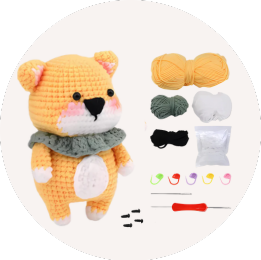
Amigurumi and stuffed toys are where crochet truly excels. The tight, stable stitches are ideal for shaping toys that can withstand plenty of play. For example, the Baby Lamb Stuffie pattern from Hooks & Needles highlights how crochet’s structure is perfect for creating adorable, huggable toys. The ability to work in the round and craft seamless shapes gives crochet an edge for these projects.
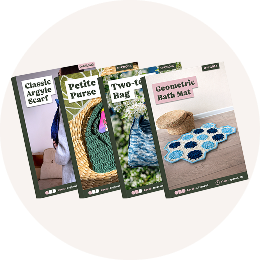
Crochet is also fantastic for accessories and functional items. Think stylish granny square bags, chic clutches, or practical purses that combine utility with handmade charm. Accessories like scarves and headbands also benefit from crochet’s textured patterns. The Classic Argyle Scarf pattern, available at Hooks & Needles, showcases how crochet can create visually striking pieces.
When it comes to lace and decorative work, crochet’s intricate patterns allow for stunning designs. Whether you’re crafting delicate doilies, lace edging, or decorative accents, crochet adds depth and character to these pieces, giving them a handcrafted, artisanal feel.
For home decor, crochet is ideal for items like baskets, coasters, and storage containers. Its firm fabric ensures these pieces retain their shape, making them both practical and stylish. These projects are also beginner-friendly and quick to complete, adding functionality to your home in no time.
In terms of clothing, crochet works best for vests, shawls, and other garments where texture and style take precedence over drape. The checkered crochet vest pattern demonstrates how crochet can create bold, textured clothing with a bohemian flair. While crochet fabric is thicker and less stretchy than knitting, it offers a unique, eye-catching aesthetic perfect for certain garments.
Knitting Projects: Clothing and Blankets
Knitting, on the other hand, is all about smoothness and flexibility. Its interlocking loops create a fabric that drapes beautifully, moves with the body, and provides the stretch needed for fitted clothing.
Sweaters and cardigans are knitting’s forte. The smooth, even fabric it produces is ideal for creating garments with a polished, professional finish. Patterns like the Honeycomb Stitch Cardigan and Sienna Arrow Sweater from Hooks & Needles illustrate how knitting can result in refined, wearable pieces. Its stretchiness ensures that these garments fit comfortably and flatteringly.
Knitting is also the go-to choice for fitted accessories like socks, mittens, and hats. The stretch of knitted fabric ensures these items fit snugly while maintaining their shape. Plus, the smooth texture feels soft against the skin, making it a preferred option for accessories worn close to the body.
For scarves and blankets, knitting offers a sleek, uniform look with excellent drape. While crochet can produce beautiful blankets, knitted ones tend to have a more refined, elegant appearance. However, keep in mind that knitting large blankets can be challenging for beginners, as it requires managing hundreds of stitches at once.
Knitting is also more yarn-efficient, using about 25–30% less yarn than crochet. This can make a big difference for larger projects like sweaters or blankets, especially when working with high-quality yarns. Over time, the savings can add up, making knitting a practical choice for those who plan to tackle multiple large-scale projects.
Additionally, there is greater pattern variety for garments in knitting. Its ability to create draped, polished pieces means you’ll find a wider selection of patterns for clothing. This makes it easier to find styles that match your vision for wardrobe projects.
Ultimately, your choice between crochet and knitting depends on what you want to create. Crochet is perfect for toys, textured accessories, and decorative items, offering quick results and a handmade feel. Knitting, with its smooth and stretchy fabric, is ideal for fitted clothing, elegant garments, and classic blankets. Whichever path you choose, Hooks & Needles has the patterns and supplies to help bring your creative ideas to life.
Starting Costs and Supplies
Both crochet and knitting are easy on the wallet when you're just starting out. Knowing what supplies you'll need and how expenses might grow as your skills improve can help you make a smart choice. Picking the right tools, like those from Hooks & Needles, can set you up for success from the beginning.
What Beginners Need to Start
Starting either crochet or knitting doesn’t require much, making both crafts accessible for beginners. The tools are simple, and you can dive into your first project without spending too much.
For crochet, all you need is a hook and some yarn. This simplicity is one of the biggest perks for beginners. A basic crochet hook set, such as the 9 Pcs Blue Crochet Hook Set with Soft Handle from Hooks & Needles, costs $16.97. Add a couple of yarn skeins at $12.97 each and a digital crochet pattern for $5.97, and you're ready to start for about $25 to $40.
Knitting, on the other hand, requires two needles instead of a hook, along with yarn and a pattern. A basic knitting needle set, like the 36 Pcs Bamboo Knitting Needles from Hooks & Needles, is priced at $21.97, while the 20 Pcs Aluminum Knitting Needle Set costs $24.99. Factoring in yarn at $12.97 per skein and a digital pattern for $5.97, a knitting setup typically ranges from $30 to $50.
There are also optional tools that can make your crafting easier, like scissors, yarn needles for finishing, and stitch markers. These aren't essential for beginners but can be helpful as you get more comfortable with your projects. Many new crafters find that a simple setup is all they need to complete their first few creations and decide whether to continue.
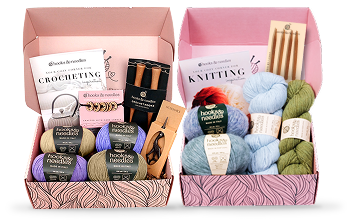
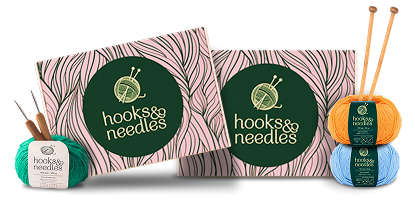
For those who want a curated experience, Hooks & Needles offers Complete Crochet & Knitting Kits tailored for beginners. These kits include premium yarns from Italy and Portugal, exclusive patterns, and professional tools, so you don't have to worry about choosing the right supplies. Their monthly subscription box, priced at $34.97, delivers over $120 worth of materials, including coordinated yarn, patterns, tutorials, and surprise gifts - making it a convenient way to explore both crafts.
As you grow in skill, you’ll likely want to upgrade your tools and materials to match your advancing abilities.
Investing in Better Tools Over Time
As your expertise develops, your crafting needs will evolve, and this is where the costs for crochet and knitting start to differ.
Crochet remains relatively straightforward, even for advanced projects. While you might want to upgrade to more comfortable or durable hooks, the overall tool requirements don’t change much. For instance, the LED Crochet Hooks: 11-in-1 Rechargeable set from Hooks & Needles, priced at $31.97, is a great premium option with built-in lighting for detailed work. Whether you’re making amigurumi, lace, or garments, the same basic hook will usually suffice, keeping your tool expenses consistent.
Knitting, however, often demands a wider variety of tools as you tackle more intricate projects. Advanced techniques like knitting in the round or creating cables require circular needles, double-pointed needles, cable needles, and more. For example, the Deluxe Wooden Knitting Needle Set from Hooks & Needles costs $119.97 - a significant step up from basic needles but essential for more complex patterns. While this investment opens the door to a broader range of projects, it also means knitting can become more expensive over time.
That said, knitting tends to use about 30% less yarn than crochet, which can save money on larger projects. For instance, a knitted blanket might require five skeins of yarn, while a crocheted one could need seven. At $12.97 per skein, that’s nearly $26 saved on a single project, which adds up if you plan to make multiple sweaters or blankets.
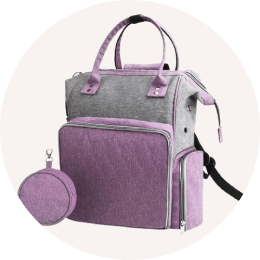
Beyond tools and yarn, there are other accessories that can enhance your crafting experience. The Wooden Yarn Bowl With Lid, priced at $27.97, keeps your yarn neat and prevents it from rolling away. The Knitting and Crochet Organizer Backpack at $69.97 is perfect for keeping supplies organized and portable. While not essential, these extras can make crafting more enjoyable and convenient.
Which Should You Learn First?
After exploring tools, techniques, costs, and project outcomes, it's time to decide which craft aligns best with your interests and goals. Both crochet and knitting offer fulfilling creative opportunities, but your choice will depend on how you like to learn, what you want to make, and how you envision your early projects.
For many beginners, crochet often feels like the easier option to dive into. It offers quicker results, is less demanding on your hands, and makes fixing mistakes a breeze. On the other hand, knitting has its own appeal, especially for those who find working with two needles more intuitive.
Your learning style and project goals will play a big role in determining which craft is the best fit as you start your fiber arts journey.
Why Crochet Appeals to Most Beginners
Crochet tends to have a gentler learning curve, making it a great choice for those new to fiber arts. Its single-hook design means you only need to focus on one tool, and each stitch is completed individually before moving on to the next. This straightforward approach reduces the complexity, making it easier to grasp the basics.
For those with limited hand dexterity, crochet can be particularly accommodating. Managing one hook is simpler than handling two needles, which makes it ideal for younger learners or anyone who struggles with fine motor skills.
Another advantage of crochet is how quickly you see progress. The stitches are larger, so you can cover more ground in less time. Projects like dishcloths, scarves, or potholders can often be completed in just a few hours, giving you that satisfying sense of accomplishment early on.
Crochet also lets you explore a wide variety of projects right from the start. Beyond simple scarves and blankets, you can experiment with creating amigurumi toys, lace patterns, or textured accessories. The flexibility of a single hook allows you to work in various directions without needing extra tools or advanced techniques.
If you're looking for a convenient way to begin, Hooks & Needles offers all-in-one crochet and knitting kits. These include premium yarns, exclusive patterns, and high-quality tools to help you get started with ease.
When Knitting Might Be the Better Choice
While crochet is beginner-friendly, knitting has its own strengths that might make it a better fit depending on your preferences and goals.
For hands-on learners, knitting can feel more intuitive. The motion of two needles working together may come naturally to some, and the basic "knit" and "purl" stitches are repetitive and easy to master. If the variety of movements in crochet feels overwhelming, knitting's steady rhythm might be more appealing.
Your project goals are another important factor. Knitting excels at creating smooth, even fabrics that are perfect for scarves, blankets, or fitted garments like sweaters. The stretchy, interlocking loops of knitted fabric make it ideal for clothing that needs to drape and move with the body. In contrast, crochet produces denser, more textured pieces, which are better suited for structured items.
Knitting also tends to use less yarn - about 30% less compared to crochet. This can lead to significant savings over time, especially if you're planning to work on larger projects or multiple items.
However, knitting does require more patience in the beginning. The smaller stitches mean slower progress, and managing two needles with multiple active stitches can feel tricky at first. But if you enjoy detailed, methodical work and are willing to take your time, knitting's challenges can be deeply rewarding.
Start Your Crafting Journey with Hooks & Needles
Whether you're diving into crochet for the first time or venturing into knitting, having the right tools and guidance can make all the difference in building your confidence and skills. Hooks & Needles simplifies the process by offering everything you need to begin your fiber arts adventure. From beginner kits to monthly subscription boxes, their resources are tailored to help you succeed.
The Complete Crochet & Knitting Kits at Hooks & Needles are thoughtfully designed to take the guesswork out of starting. Each kit includes yarn, patterns, and tools that work perfectly together, making it easy to get started without confusion.
For ongoing inspiration, the Monthly Hooks & Needles Box brings new projects straight to your door. With a stellar 4.8/5 rating and over 225,000 boxes shipped, this subscription service delivers yarn, patterns, tools, and delightful surprises every month. As one happy customer, Maria S., shared, "Hooks & Needles helped me complete my first headband!" The monthly deliveries are perfect for keeping your creative momentum alive as you grow your skills.
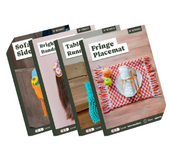
Hooks & Needles also offers instant access to digital patterns, crafted by experts and available as downloadable PDFs. These patterns are clear and beginner-friendly, ensuring you can complete your projects without frustration. Priced at $5.97 each, the selection includes everything from simple dishcloths to more advanced designs like the Granny Square Tote Bag or Classic Argyle Scarf.
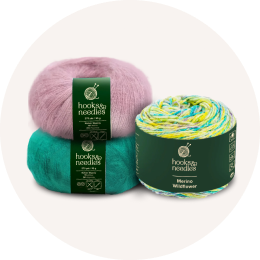
If you'd rather build your toolkit piece by piece, Hooks & Needles has a wide variety of high-quality tools and materials to fit any budget. Their collection of natural fiber European yarns - featuring cotton, alpaca, merino, and bamboo options - provides premium materials that make learning and creating even more enjoyable.
What sets Hooks & Needles apart is their focus on helping beginners succeed. Every pattern and kit comes with straightforward instructions to guide you step-by-step, ensuring you can complete your projects without feeling overwhelmed. As Linda K. noted, "The patterns actually work - no more half-finished projects!" This commitment to achievable results means you can create stunning handmade items without the usual beginner frustrations.
Ready to get started? Check out the curated crochet and knitting kits at Hooks & Needles, or explore their full range of yarns and tools to build your crafting collection. For a steady stream of inspiration, consider the monthly subscription box for $34.97 per month, offering over $120 in value with every delivery. Your journey into fiber arts begins here, with all the support you need to create with confidence.
FAQs
What makes crochet easier to learn than knitting for beginners?
Crochet tends to be more beginner-friendly since it only requires a single hook, unlike knitting, which uses two needles. This makes it easier to handle and less intimidating for those just starting out. Plus, the stitches are less likely to slip off the hook, helping to minimize frustration as you learn.
Another advantage is the speed at which projects come together. Many beginners enjoy how quickly they can see progress, giving a rewarding sense of accomplishment early on. If you’re searching for a creative hobby that offers quick results and a smooth learning curve, crochet is an excellent place to begin!
How does choosing crochet or knitting influence the kinds of projects I can make?
Crochet and knitting open up different creative paths depending on the kind of project you have in mind. Crochet works wonderfully for bold, textured pieces like blankets, scarves, and stuffed animals. Its thicker, structured stitches make it great for projects that need durability and a striking look. Knitting, on the other hand, shines when it comes to creating soft, flexible items like sweaters, socks, and lightweight accessories. The finer, stretchier fabric it produces is perfect for garments and delicate designs.
Choosing between the two often comes down to what excites you most. If you’re looking for fast results or want to craft sturdy, decorative pieces, crochet might be your go-to. If intricate patterns or wearable creations appeal to you, knitting could be the better choice. Either way, Hooks & Needles has all the supplies you need to bring your ideas to life!
Are there any physical or ergonomic factors to consider when choosing between crochet and knitting?
When deciding between crochet and knitting, physical comfort and ergonomics can play a big role. Crochet uses a single hook and requires you to hold the yarn with your non-dominant hand. For some, this setup feels more natural, especially if you’re prone to wrist or hand discomfort. Knitting, however, involves two needles, which demands more coordination and might feel awkward initially.
For those with conditions like arthritis or carpal tunnel, crochet may be gentler on the hands since it typically involves smaller, quicker motions. That said, both crafts can be made more comfortable with the right tools and habits. Using ergonomic hooks or needles, maintaining good posture, and taking regular breaks can significantly reduce strain. Hooks & Needles offers a range of ergonomic crochet hooks and knitting needles designed to make crafting easier and more enjoyable.