Millennials are turning to knitting as a way to escape constant screen time and embrace a slower pace of life. With a 140% increase in fiber arts activity during the pandemic, many have found knitting to be a calming, hands-on hobby that reduces anxiety, improves focus, and encourages mindfulness. The repetitive motions of knitting lower stress hormones, engage the brain, and provide a sense of accomplishment that scrolling on a phone simply cannot match.
Knitting also offers a chance to create something meaningful while stepping away from the fast fashion industry. From beginner-friendly projects like scarves and dishcloths to group knitting circles that foster in-person connections, this craft provides both relaxation and purpose. Ready to start? Explore beginner kits or monthly subscription boxes that make it easy to dive into this rewarding practice.
How Knitting Improves Mental Health
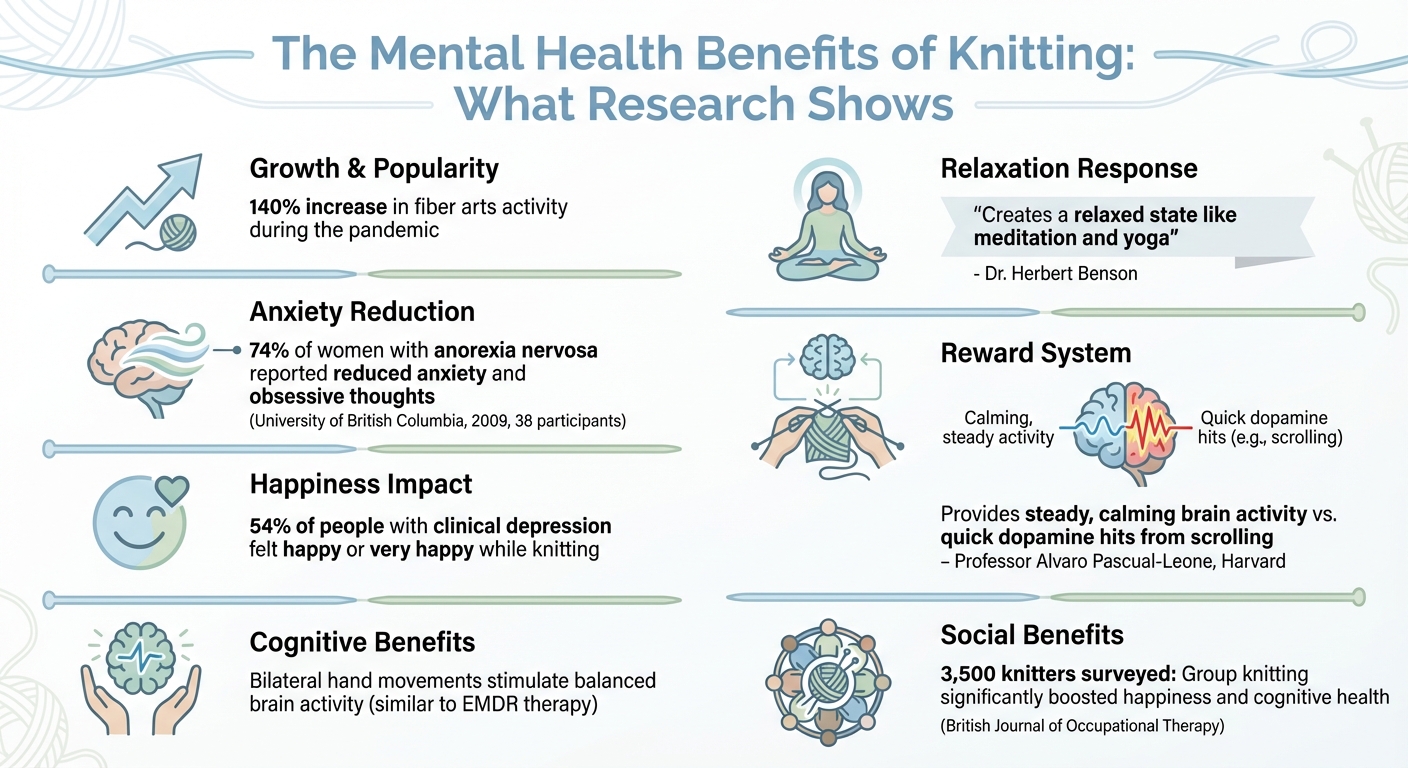
Mental Health Benefits of Knitting: Key Statistics and Research Findings
Knitting offers far more than just a way to pass the time - it has meaningful benefits for mental health. Its repetitive, rhythmic motions create what Dr. Herbert Benson, a pioneer in mind/body medicine and author of The Relaxation Response, describes as “a relaxed state like that associated with meditation and yoga.” This rhythm encourages deep relaxation while complementing practices like meditation. Interestingly, the way knitting engages both hands alternately stimulates balanced brain activity, a technique also used in EMDR therapy, which is known to help with emotional regulation. This natural flow connects physical relaxation with mindful awareness.
Unlike the quick dopamine hits from endless scrolling on digital devices, knitting provides steady, calming brain activity. Harvard’s Professor Alvaro Pascual-Leone highlights how this slower, more consistent reward process can improve mood and concentration. Additionally, because knitting occupies both hands, it creates a physical barrier to distractions like checking your phone or multitasking. This simple act can help break the cycle of digital overconsumption.
Using Knitting for Mindfulness
Knitting’s focused nature helps redirect the mind away from negative thoughts and persistent worries. In 2009, researchers at the University of British Columbia studied 38 women diagnosed with anorexia nervosa. Remarkably, 74% of participants reported that knitting reduced their anxiety and obsessive thoughts. The repetitive stitches act as an anchor, keeping you present without introducing additional stress.
Once you’ve mastered the basics, knitting can even lead to a flow state - a mental zone where anxiety and physical pain fade into the background. This restorative effect makes it particularly helpful for managing symptoms of anxiety and depression. In a survey of individuals dealing with clinical depression, 54% said knitting made them feel “happy” or “very happy.” Many millennials are turning to knitting not only as a mindfulness practice but also as a way to unplug from the digital world. Beyond its meditative qualities, the act of finishing a project brings a sense of personal accomplishment that reinforces feelings of purpose and achievement.
Finding Satisfaction in Handmade Projects
In a world dominated by screens, crafting offers a meaningful way to reclaim your time and focus. Beyond the soothing rhythm of the stitches, there’s immense satisfaction in creating something tangible with your own hands. Psychiatrist Dr. Ashley Matskevich suggests that everyone should have a “third thing” - a hobby that exists outside of work and family responsibilities.
“Having something reliable, dependable, and that you’re in control of can be incredibly empowering,” she says.
While meditation clears the mind, knitting offers the added bonus of producing a physical object. This combination of relaxation and productivity can boost self-esteem, providing a sense of purpose and capability.
This feeling of accomplishment is especially valuable during challenging times when life feels overwhelming. Every completed project serves as proof of your patience and resilience, reminding you of the rewards that come with a deliberate and thoughtful process.
sbb-itb-f7119e8
Simple Knitting Projects for Beginners
Starting your knitting journey doesn't have to be overwhelming. Simple, approachable projects can help you build confidence and master essential skills while offering a peaceful break from screen time. Let's dive into a few beginner-friendly ideas that make knitting both enjoyable and fulfilling.
First Projects to Try
Dishcloths and coasters are perfect for beginners. These small, practical items allow you to practice foundational techniques like casting on, the basic knit stitch, and binding off. Plus, they’re quick to finish - often within a few hours - giving you that rewarding sense of accomplishment that keeps motivation high.
Scarves are another excellent starting point. Their straightforward, rectangular shape lets you focus on perfecting knit and purl stitches without worrying about complex patterns. A "purse-knit" scarf, popular among new knitters, is portable and easy to work on during short, daily sessions. With just 20–30 minutes a day, you’ll see steady progress that keeps you inspired.
For something a little different, try arm-knit blankets. This technique skips traditional needles entirely, using thick yarn and your arms to create a cozy blanket in just a few hours. It’s a hands-on way to learn how stitches come together, making the transition to needles feel much easier later on.
Building a Daily Knitting Routine
Quick wins from these projects can be the foundation for a calming daily habit. Dedicate 20–30 minutes each day - perhaps in the evening - to a mindful knitting routine. Put your phone in another room, pick up your needles, and enjoy the rhythm of your stitches.
To make knitting a consistent part of your day, keep your project in a visible spot, like next to your favorite chair. This simple reminder makes it easy to pick up where you left off. As Jane Brody, Personal Health Columnist at The New York Times, wisely notes:
"When my hands are busy, my mind stays focused on the here and now."
Even a brief daily session can help you feel more present and less tethered to digital distractions.
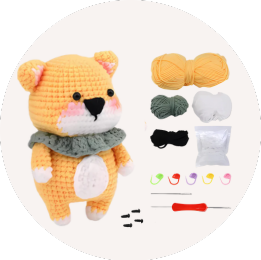
Ready to get started? Check out our Hooks & Needles beginner kits. With all the supplies and inspiration you need, you’ll be well on your way to making knitting a relaxing, screen-free habit.
Tools and Materials for Comfortable Knitting
Having the right tools can turn knitting into a relaxing, screen-free escape rather than a source of frustration. Comfort plays a key role in making knitting an enjoyable part of your daily routine.
Choosing Ergonomic Needles and Hooks
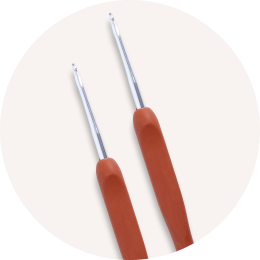
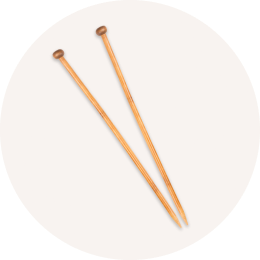
While standard aluminum needles work for quick projects, ergonomic tools with cushioned grips are a game-changer for frequent knitters. These specially designed needles, often featuring rubber handles, help reduce hand strain, allowing for longer, more comfortable knitting sessions. Beyond the physical benefits, ergonomic tools can make your crafting time feel more intentional and less taxing on your hands, preserving dexterity over time.
If you're just starting, consider using H-8 (5mm) hooks or 4–5mm needles. These sizes pair well with worsted weight yarn, making it easier to see and control your stitches. For unlabeled needles, a gauge tool can quickly help you identify their size.
Selecting Yarn That Matches Your Skill Level
Beginners will find DK or Aran weight yarns to be a great choice. These yarns are thick enough to handle easily but not so bulky that they become difficult to work with. For practice, opt for affordable acrylic yarn. Its consistent texture helps you see your stitches clearly, and you won’t feel guilty about using it while learning techniques like casting on and binding off.
As you become more confident, you can branch out into different types of yarn. When shopping, pay attention to the evenness of the yarn strand and avoid splurging on specialty or expensive options until you've mastered the basics. Granny squares are a fun way to experiment with new colors and textures without committing to a large project. Once you're comfortable, complete kits can make it even easier to gather everything you need.
Getting Started with Hooks & Needles Knitting Kits
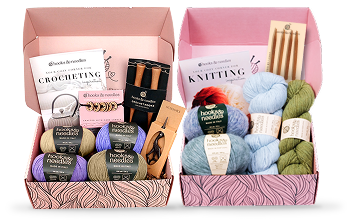
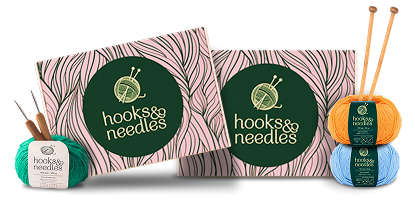
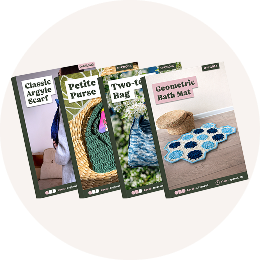
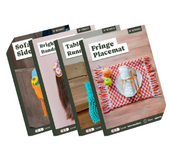
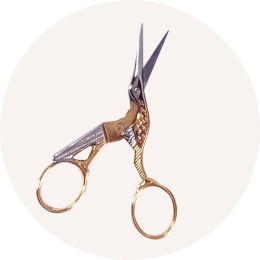
All-in-one knitting kits take the hassle out of gathering supplies. The Hooks & Needles subscription box provides everything you need - premium yarn, needles, patterns, and handy extras like embroidery scissors and tapestry needles. Each kit includes three patterns tailored to different skill levels (beginner, intermediate, and advanced), allowing you to pick something that suits your current abilities or pushes you to improve.
What really sets these kits apart are the QR-coded video tutorials included in the instruction booklet. If the written directions feel tricky, you can scan the code to access step-by-step video guidance, making even challenging techniques easier to tackle. With high-quality merino wool (which usually costs $12 or more per skein) and thoughtfully designed tools, these kits are a great value at $34.97 per month. Plus, you can pause or cancel your subscription anytime.
With these carefully chosen tools and materials from Hooks & Needles, you’ll be set to embrace knitting as a mindful, creative practice. High-quality supplies make every stitch more enjoyable, helping you connect with your craft on a deeper level.
Knitting for a Slower, More Intentional Life
Knitting offers a welcome retreat from the constant buzz of notifications. With your hands busy working needles and yarn, it naturally pulls you away from mindless scrolling. Studies on meditation reveal that repetitive actions, like knitting, can shift your mind from stress to relaxation. The steady rhythm of needlework not only calms your heart rate but also eases mental tension. This tactile activity transforms idle screen time into a mindful, purposeful practice.
Knitting’s slower pace also encourages patience - something often lost in today’s fast-moving, instant-gratification world. Instead of chasing fleeting dopamine hits from scrolling, knitting rewires your brain to appreciate the process. Alvaro Pascual-Leone, a neurology professor at Harvard Medical School, describes this as "a slower, steadier reward." Beyond personal tranquility, knitting creates opportunities for meaningful human connections.
Joining Knitting Groups Instead of Scrolling
Knitting circles bring something that social media can’t: real, face-to-face connection. These groups act as a "third place", a space outside of work and home where people can gather, share, and reduce feelings of isolation. Research published in the British Journal of Occupational Therapy, which surveyed 3,500 knitters, found that group knitting significantly boosted happiness and improved cognitive health.
In October 2023, University of South Carolina students Brooke Farley and Kaitlyn Clark launched "Not Your Grandma's Crochet Circle" to help their peers combat anxiety. This club provides beginner lessons and organizes service projects, like crafting mats for the homeless in Columbia, turning solitary screen time into meaningful, shared experiences. Local yarn shops, community centers, and campus clubs also host weekly knitting meetups where you can learn new skills, solve pattern challenges, and form lasting friendships. These gatherings not only nurture creativity but also offer a comforting sense of community.
Staying Motivated with Monthly Projects
Setting a monthly knitting goal is a great way to stay consistent and see the fruits of your effort. Psychiatrist Ashley Matskevich highlights that "having something reliable, dependable, and that you're in control of can be incredibly empowering", especially in high-pressure environments. Completing a project each month - whether it’s a scarf, dishcloth, or mittens - provides a sense of achievement that digital distractions simply can’t match.
Conclusion
Knitting offers a sense of calm and purpose that screens simply can't replicate. The rhythmic movement of needles and yarn soothes the nervous system, helps lower cortisol levels, and promotes a steady, peaceful state - quite the opposite of the fleeting dopamine rush from endless scrolling. As Alvaro Pascual-Leone, a neurology professor at Harvard Medical School, wisely notes, "A steady, pleasant functioning of the brain is better than a binging of chemicals." With both hands engaged, knitting interrupts the habit of constantly reaching for your phone and reintroduces the satisfaction of creating something with care.
Knitting also strengthens connections beyond the individual. Research from the Mayo Clinic suggests that activities like knitting may even reduce the risk of mild cognitive impairment, adding another layer of benefit to this timeless craft.
Getting started doesn’t require any special skills or expensive tools. A beginner kit is an easy way to dive into mindful crafting. Whether you’re making a simple scarf or tackling a monthly project, each stitch draws you into a slower, more intentional rhythm of life.
If you’re ready to step away from the constant buzz of digital distractions, consider starting your knitting journey today. Check out our curated crochet and knitting kits at Hooks & Needles - they’re designed to make your first project both simple and rewarding. Or, for ongoing inspiration, explore our monthly subscription box, which delivers premium yarn, exclusive patterns, and creative ideas straight to your door for just $34.97 a month.
FAQs
How does knitting benefit mental health compared to meditation?
Knitting shares many mental health perks with meditation. Both activities help reduce stress, lower blood pressure, and bring a sense of calm through their repetitive, rhythmic nature. By focusing on the motions of knitting, you naturally stay present, fostering mindfulness in much the same way meditation does.
What makes knitting stand out is its creative element. While meditation centers on quieting the mind, knitting gives you the chance to craft something physical - like a warm scarf or a thoughtful gift. Completing a project not only brings joy but also boosts self-esteem by giving you a sense of accomplishment. On top of that, knitting often brings people together, whether through group meetups or collaborative projects, adding a layer of social connection that amplifies its benefits. Essentially, knitting blends relaxation, creativity, and community in a way that’s both soothing and rewarding.
What are some easy knitting projects for beginners to try?
If you're just getting started with knitting, it's smart to begin with simple, flat projects. These allow you to focus on learning the basics, like the knit and purl stitches, without feeling overwhelmed. Here are a few easy projects to help you build confidence:
- Scarf: This classic beginner project involves knitting in straight rows, making it an excellent way to practice your stitches while keeping things straightforward.
- Dishcloth or Washcloth: These small projects are quick to complete and give you a chance to work on tension and keeping your stitches consistent.
- Baby Blanket: Though larger, this project is still beginner-friendly. Repeating the same stitch pattern helps you improve your technique and build stamina.
For now, steer clear of more complex patterns like sweaters or socks, as they often require advanced skills. Take your time, enjoy the process, and remember - knitting is as much about learning and relaxing as it is about the final product!
How can I start knitting daily to reduce screen time and feel more relaxed?
Knitting offers a relaxing escape from screens, helping to ease stress while tapping into your creativity. To make it part of your routine, carve out a dedicated time each day - maybe 10 minutes in the morning or before bed - to work on your project. Keeping your yarn and ergonomic needles within reach ensures it's easy to pick up whenever you have a spare moment.
You can also weave knitting into your daily life. Use it to pass the time while waiting for your coffee to brew or as a calming activity in the evening. Even brief sessions can help you feel grounded and more present. As you settle into the habit, you might extend your knitting time or tackle a new pattern to keep things engaging. This simple, mindful practice can have a meaningful impact on your sense of well-being.