Crocheting is more enjoyable when you have the right tools on hand. While yarn and a hook are your starting essentials, adding a few key items can simplify your projects and improve results. A well-stocked craft bag saves time, reduces frustration, and helps you focus on creating.
This guide covers the must-have tools for beginners, handy measuring and marking items, and finishing tools to give your projects a polished look. Whether you're just starting or looking to refine your skills, these tips will help you build a practical and organized crochet kit.
Let’s dive into the tools that can transform your crochet experience.
Foundation Tools Every Beginner Needs
Starting your crochet journey requires just three basic tools: a crochet hook, yarn, and scissors. These essentials form the backbone of every successful project.
Crochet Hooks
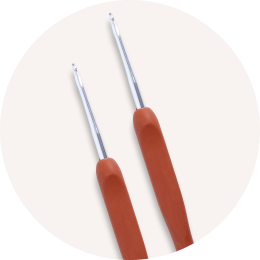
The crochet hook is the star of the show, turning yarn into beautiful stitches. Hooks come in various materials like aluminum, plastic, bamboo, and wood, each offering a different feel. For beginners, aluminum hooks are a great choice. They’re lightweight, affordable, and glide smoothly through most yarns, making them easy to handle. Plus, their slightly textured surface helps you maintain control.
Hook sizes are measured in millimeters, and for medium-weight worsted yarn (size 4), a hook size between 5.0 mm and 6.0 mm is generally recommended. Always check the yarn label for the suggested hook size. If you’re curious to try different yarn weights, a complete hook set can be a smart investment. Check out our crochet hooks to find the perfect set for your projects.
Yarn
Yarn is the material you’ll work with, and choosing the right kind can make learning much easier. Medium-weight worsted yarn (size 4) is an excellent option for beginners. Its stitches are large enough to see clearly, making it easier to spot mistakes and understand how stitches are formed. A single ball typically provides around 354 yards, which is plenty for practice and small projects.
Acrylic yarn is particularly beginner-friendly. It’s synthetic, machine washable, easy to care for, and budget-conscious. Stick to lighter or medium colors for your first projects so you can easily see each stitch. As one beginner, Linda B., shared:
After years of half-finished projects, I finally found patterns that actually work and yarn that doesn't fight me.
When you're ready to upgrade your projects, Hooks & Needles offers a variety of premium yarns. But for now, our collection of affordable worsted-weight acrylic yarns is perfect for learning. Explore our yarn collection to find your ideal match.
Scissors
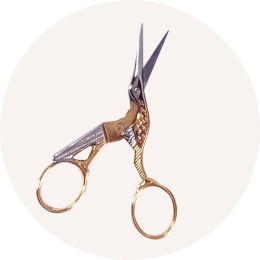
A good pair of scissors is a must-have for cleanly trimming yarn, whether you’re finishing a project or switching colors. Embroidery scissors are a popular choice among crocheters. They’re small, sharp, and easy to carry, making them perfect for precise cuts without fraying the yarn.
Consider investing in a quality pair of embroidery scissors, which typically cost between $5 and $15. Some crocheters also keep fabric shears on hand for cutting thicker yarns, but embroidery scissors are ideal for finer tasks.
With a reliable crochet hook, beginner-friendly yarn, and sharp scissors, you’ll be ready to dive into learning basic stitches and gradually take on more intricate projects. These essentials will set you up for success without stretching your budget.
Tools for Measuring and Marking
Once you've got the basics down, the next step is making sure your projects come out the right size and stay consistent throughout. That’s where measuring and marking tools come in. These tools help you maintain accuracy, avoid mistakes like incorrect sizing or miscounts, and ensure your work remains consistent from start to finish. They build on your foundational kit, offering more precision as you take on advanced projects.
Measuring Tape and Gauge Ruler
These two tools are essential for keeping your project on track. A measuring tape helps you check the overall dimensions - whether it’s the length of a scarf, the width of a blanket, or the circumference of a hat. This ensures your finished piece matches the pattern’s guidelines or your desired size.
On the other hand, a gauge ruler is all about stitch accuracy. Gauge refers to the number of stitches and rows you make per inch with your chosen yarn and hook. Even a small mistake in gauge can lead to a project that’s too big or too small. To check your gauge, create a swatch that’s 4–6 inches wide, then count the stitches and rows over a 4-inch section. If your numbers don’t match the pattern, adjust your hook size - a smaller hook gives tighter stitches, while a larger one makes them looser.
Gauge might not seem crucial for beginners working on smaller items, but it becomes a must for garments or larger projects where precision matters.
Stitch Markers
Stitch markers are like little helpers that keep you on track. They highlight key stitches or rows, making it easier to stay organized. These are especially helpful when working in the round, as they clearly mark the start and end of each round. You can also use them to mark every tenth stitch or pinpoint the center of a pattern repeat.
There are different types of stitch markers to suit your needs. Split-ring markers are versatile and work with most yarns, while locking markers offer extra security by staying firmly in place. The best markers are those that hold securely without damaging your yarn or leaving marks on your project. Use smaller markers for fine yarns and detailed work, and larger ones for bulkier yarns.
Row Counters
Row counters are handy devices - either mechanical or digital - that track how many rows or rounds you’ve completed. Instead of manually counting or trying to remember, you simply click or increment the counter after each row. This is especially useful for large or intricate projects, like sweaters with complex patterns or blankets with hundreds of rows, where losing count could lead to major setbacks.
For even more convenience, digital row counters often let you set a target number and alert you when you’ve reached it. This makes them perfect for tackling detailed patterns. If you’re looking for one, Hooks & Needles offers a Digital Row Counter for $9.97 to make tracking rows easier and more efficient.
Tools for Finishing and Weaving
Once you've mastered the basics and gathered your measuring tools, it's time to focus on finishing tools. These are the unsung heroes that bring a polished touch to your crochet projects. Finishing is where you hide loose ends, join pieces, and add those final flourishes. The right tools can make all the difference, ensuring your work looks clean and professional.
Yarn Needles
Yarn needles, often called tapestry needles, are indispensable for wrapping up crochet projects. Their blunt tips prevent splitting the yarn, making them perfect for weaving in ends and protecting your stitches.
To secure loose ends, thread the yarn tail through the needle and weave it into several stitches - aim for at least 4–6 stitches to ensure it stays hidden and won’t unravel. Once woven, trim any excess yarn with sharp scissors. Be careful not to pull too tightly, as this can distort the fabric and cause puckering.
Tapestry needles are also handy for joining separate crochet pieces and adding embellishments like pom-poms, tassels, beads, or buttons. They come in various sizes, so it's important to pick one that matches your yarn weight. Use smaller needles for fine yarns and larger ones for chunky yarns. A mismatched needle size can either damage delicate fibers or make working with thicker yarn unnecessarily difficult.
For beginners, metal needles are a great starting point. They’re sturdier and easier to handle than plastic ones, offering better control when weaving ends. Look for a needle with a smooth finish to avoid snagging and an eye that comfortably fits your yarn. A well-made metal needle will last through countless projects, making it a worthwhile investment.
To keep your yarn needles safe and easy to find, store them in a dedicated space like a small container, pouch, or needle case. This keeps them organized and protects their blunt tips from damage. Plus, it prevents them from poking through fabric or getting lost in your project bag.
Ready to simplify threading? Check out the next section on needle threaders.
Needle Threaders
Needle threaders are optional but incredibly useful tools that make threading yarn through a needle much easier. These small devices are especially helpful when working with thick yarns or when your hands are feeling tired after long crochet sessions. As your projects grow more intricate, a needle threader can save time and reduce frustration.
If threading yarn through a needle feels like a struggle, adding a needle threader to your toolkit can be a game-changer. They're particularly helpful for finer yarns and smaller needle eyes, where precision is key. This little tool can make the finishing process smoother and more enjoyable, especially as you tackle more advanced projects. For many crocheters, the convenience it offers justifies its spot in the craft bag.
Storage and Organization Options
Once your measuring and finishing tools are sorted, it’s time to think about keeping them organized and easy to access. A well-organized setup not only saves time but also protects your tools and supplies, making crafting smoother and more enjoyable. When everything has its place, you can focus on creating instead of hunting for missing items. For beginners, having a system in place helps reduce frustration and allows more time to focus on learning and improving crochet skills.
Proper storage also ensures that delicate items like yarn and needles stay in good condition, extending their usability. Whether you’re crafting at home, traveling, or simply moving between rooms, a reliable storage system keeps your tools within reach and in great shape.
Here’s a closer look at some practical storage options to keep your tools and supplies in order.
Project Bags
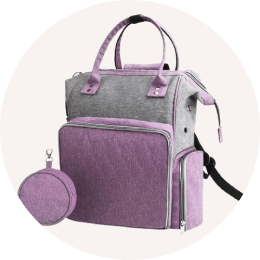
A project bag is a must-have for crocheters. These bags keep all your supplies in one place, making it easy to grab and go without the hassle of repacking every time. Look for bags with multiple compartments to separate yarn, hooks, and smaller tools, so you can avoid tangles and stay organized.
Choose a bag with interior pockets for items like scissors, stitch markers, and measuring tapes. A washable or easy-to-clean material is ideal, as yarn fibers tend to shed and attract dust. The size of the bag depends on your projects: smaller bags work well for compact projects like scarves, while larger ones can handle blankets or multi-color pieces. Durability is key, so opt for bags with strong handles or straps for comfortable carrying.
For added organization, consider using separate, labeled bags for different projects to prevent mix-ups. The Knitting and Crochet Organizer Backpack from Hooks & Needles ($69.97) offers a great solution, with 90 reviews highlighting its thoughtful design. If you’re looking for a more affordable option, the Multi-Purpose Craft Bag ($33.97, down from $59.97) is another excellent choice, boasting 41 reviews. Both options provide the compartments and sturdiness needed to protect and organize your tools.
Adding a small zippered pouch inside your project bag can help keep tiny items like stitch markers and tapestry needles secure and easy to find. This layered approach ensures nothing gets lost at the bottom of your bag.
Yarn Bowls
Yarn bowls are a handy tool to keep your yarn in place while you work. These bowls have a center hole that allows the yarn to feed smoothly, preventing it from rolling across the floor or tangling with other supplies. The bowl’s weight and shape keep it stable, letting you focus on your project without interruptions.
Yarn bowls are especially useful when working with lightweight yarns that tend to roll away or when managing multiple colors. They also help keep your yarn clean and your workspace tidy.
Hooks & Needles offers the Wooden Yarn Bowl With Lid for $27.97, a popular choice with 26 reviews praising its ability to keep yarn neat and accessible. For something more eye-catching, the Levitating Premium Yarn Holder ($42.97, previously $49.97) combines functionality with style, earning 31 reviews for its unique design. Alternatively, a simple container with a top hole can work as a budget-friendly option.
Storage Systems for Small Tools
Small tools like crochet hooks, scissors, and stitch markers can easily get misplaced or damaged without proper storage. To keep these essentials organized, consider options like crochet hook cases, clear plastic containers with compartments, or even repurposed pencil cases or art supply boxes.
Dedicated crochet hook cases are particularly useful, as they keep hooks sorted by size and protect them from bending or damage. For a cost-effective approach, household items like mason jars or small boxes can hold tools like scissors, tapestry needles, and measuring tapes. Clear organizers are especially helpful for quickly locating what you need.
Avoid tossing hooks loosely into drawers where they can get tangled or damaged. Additionally, keep metal hooks away from damp areas to prevent rust and avoid prolonged exposure to sunlight, which can cause discoloration or weaken certain materials.
For beginners, starting with a simple project bag and a small container for hooks and needles is a smart move. These basics, which can cost between $10 and $30, provide immediate benefits without breaking the bank. As you gain experience and build your project collection, you can gradually invest in more specialized storage solutions.
To maintain your storage systems, clean them regularly. Fabric project bags can be vacuumed or wiped with a lint roller to remove fibers and dust. Washable bags should be cleaned according to care instructions using mild detergent and air-dried thoroughly. Plastic containers and organizers can be wiped with a damp cloth and dried completely.
With your tools and supplies neatly organized, you’ll be ready to dive into more advanced finishing techniques that elevate your crochet projects to the next level.
sbb-itb-f7119e8
Advanced Finishing Tools for Intermediate Crafters
After mastering basic stitches and completing a few projects, you might start noticing room for improvement in the overall look of your work. That’s where blocking comes in. This finishing technique helps stitches relax and settle into place, giving your pieces a polished, professional appearance. It’s a step that takes your work from good to truly refined.
For those who have moved beyond the basics, blocking can make a noticeable difference. While you don’t need blocking tools when you’re just starting out, they become a worthwhile investment as you begin completing more projects. Blocking not only enhances the look of your work but also improves its durability, making it especially beneficial for items like garments, blankets, and accessories.
The process involves either soaking your project or using steam, depending on the type of yarn. Natural fibers like wool and cotton respond particularly well to blocking, as moisture and heat help relax the fibers and lock stitches into place. Acrylic yarns, on the other hand, benefit from gentle steam blocking for a similar effect.
Blocking Mats and T-Pins
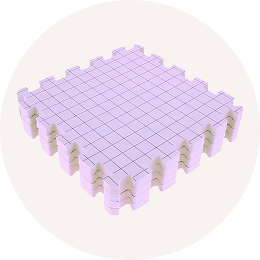
Blocking mats provide a sturdy surface for shaping your projects during the blocking process. Many mats feature a grid pattern, making it easier to pin your work to precise dimensions. This is especially helpful when creating matching items - like scarves, blankets, or garments - where consistent sizing is key.
T-pins or straight pins are used alongside blocking mats to secure your project in place. They hold your work at specific points, ensuring even tension and maintaining the desired shape throughout the blocking process. Together, these tools allow you to pin your piece to the exact dimensions you need, resulting in a clean, polished finish.
To block your project, start by washing or dampening it according to the fiber’s needs. Then, carefully pin it to the blocking mat using T-pins, adjusting it to the desired size and shape. Be cautious not to overstretch the fabric, as this can distort the stitches. Allow the piece to dry completely - this could take several hours or even overnight, depending on the material and room conditions. Once dry, remove the pins to reveal a beautifully finished piece.
If you’re aiming for professional-quality results, investing in blocking mats and T-pins is a smart choice. For delicate or specialty yarns, you might want to consider steam blocking as an alternative.
Steamers
Steamers offer another effective method for blocking, especially for yarns that are sensitive to prolonged exposure to water. Instead of soaking, steamers use heat and moisture to relax stitches and shape your project. This method is particularly gentle, making it ideal for delicate or specialty fibers.
Blocking not only improves the appearance of your work but also helps it maintain its shape and structure over time. It enhances durability, reduces the likelihood of stretching or distortion, and ensures your project looks its best after repeated use and washing.
With the right tools - whether blocking mats, T-pins, or a steamer - you’ll be able to elevate your crochet projects to the next level. These finishing touches reflect your growing skills and dedication, helping you create pieces that stand out for their quality and craftsmanship.
Learning and Reference Materials
As you get comfortable with basic stitches and complete your first projects, it’s time to expand your skills with reliable reference materials. These resources act as your personal crochet library, guiding you through unfamiliar techniques and sparking ideas for future creations.
The value of quality reference materials grows as your skills improve. Whether you’re tackling a tricky pattern or exploring new techniques, having dependable resources on hand keeps your projects on track. One essential tool for any crocheter is a stitch dictionary, which breaks down techniques into easy-to-follow steps.
Stitch Dictionaries
A stitch dictionary is a must-have for any crochet enthusiast. These guides provide clear explanations of stitches, both visually and in writing, making them an ideal tool for learning. Physical dictionaries are especially handy for quick, offline reference.
The strength of a stitch dictionary lies in its combination of formats. High-quality versions include detailed diagrams alongside written instructions, catering to different learning preferences. Some people grasp techniques faster through visual aids, while others benefit from step-by-step written guidance. Having both options ensures you can learn in the way that suits you best.
When choosing your first stitch dictionary, look for one that organizes stitches in a logical way - by difficulty level or stitch type. This structure helps you find related techniques and understand how basic stitches can evolve into more complex designs. Many dictionaries also include variations on foundational stitches, encouraging you to explore creative possibilities without feeling overwhelmed.
To get the most out of your stitch dictionary, focus on mastering one new stitch at a time. Practice it repeatedly until it feels natural. As your confidence grows, you can take on patterns that combine multiple stitches, using the dictionary to refresh your memory on less common techniques.
Digital stitch dictionaries and online resources add another layer of convenience. They’re searchable and often feature video demonstrations, which are especially helpful for visual learners who want to see techniques in action. Many crafters recommend using both physical and digital resources: keep a physical dictionary nearby for quick reference, and turn to online videos when you need a more detailed explanation. This approach ensures you have the best tools for any learning situation.
Once you’ve built a solid foundation of stitches, the next step is organizing your patterns.
Pattern Storage Solutions
Keeping your patterns organized saves time and reduces frustration. For printed patterns, binders with sheet protectors are a practical choice. The sheet protectors not only prevent wear and tear but also let you jot down notes with a dry-erase marker, such as stitch counts, row highlights, or pattern modifications. Organize your patterns by project type (like scarves, blankets, or amigurumi), difficulty level, or yarn weight for easy access. Some crafters even use color-coded tabs to sort patterns by season or project status - whether completed, in progress, or planned.
A project journal or notebook can also be a game-changer. Use it to document key details about each project, including the name, date completed, yarn used, hook size, final dimensions, and any modifications you made. Record observations about what worked well, what didn’t, and how challenging the project was. This habit not only helps you track your progress but also provides a valuable reference for future projects. For example, you’ll know exactly which hook size and yarn weight to use to recreate a favorite design or avoid past mistakes.
Digital tools offer another layer of convenience. Cloud-based storage or crochet-specific apps make it easy to access patterns on your phone or tablet while crafting. Many crafters find a hybrid system works best: store frequently-used patterns and active projects in a physical binder, while maintaining a digital archive for backup and long-term storage. This setup ensures you always have what you need at your fingertips, whether you’re working at home or on the go.
Hooks & Needles makes digital organization simple with their easy-to-follow PDF patterns, available for just $5.97 each. These patterns are designed to boost your confidence and help you complete projects successfully. As customer Linda K. shares:
The patterns actually work - no more half-finished projects!
Maria S. agrees:
I never finished projects before, but Hooks & Needles helped me complete my first headband!
Whether you prefer physical binders, digital tools, or a mix of both, the key is finding a system that fits your workflow. A well-organized setup means less time searching and more time creating, keeping your enthusiasm high and your projects rolling.
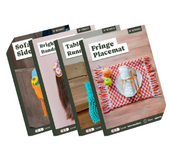
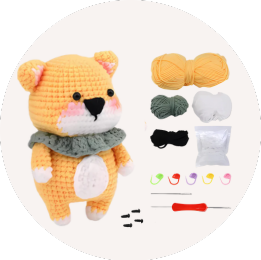
Ready to expand your crochet library? Check out our crochet and knitting kits, which include exclusive patterns to help you learn new skills while crafting beautiful pieces.
Conclusion
Building a crochet toolkit is an evolving process that grows alongside your skills. Each tool you add plays a role in improving your craft, tailored to your current abilities rather than being a spur-of-the-moment buy. As you move from learning basic stitches to completing polished projects, your collection naturally expands - measuring tools help with precision, yarn needles refine your finishes, and blocking mats bring a professional touch to your work.
Investing thoughtfully in your toolkit saves you from unnecessary purchases and builds skills that last. It’s better to have a dependable aluminum hook and sharp scissors than a drawer full of tools that go unused. Quality always trumps quantity when it comes to crafting.
Keeping your tools organized ensures they’re always ready when inspiration strikes. Project bags protect your works-in-progress and make them portable, while proper storage for smaller items, like stitch markers, prevents the frustration of misplaced tools. Reference materials, such as stitch dictionaries and pattern storage, turn your toolkit into a resource for learning and growth as you take on new challenges.
Hooks & Needles is here to support you at every step. Our crochet and knitting kits include everything you need in one convenient package - premium yarns, exclusive patterns, and tools designed to work seamlessly together. Say goodbye to guessing which hook size matches your yarn or worrying if your project will turn out as expected.
Maria S., one of our happy crafters, says it best:
I never finished projects before, but Hooks & Needles helped me complete my first headband!
Ready to take your craft to the next level? Check out our crafting essentials or explore our monthly subscription box. Each item is carefully selected to help you progress without frustration. With a toolkit that grows with your skills, every purchase brings you closer to mastering your craft.
FAQs
Why is it helpful to have a complete crochet hook set for working with different yarn weights?
Using a full crochet hook set opens up endless possibilities for your projects. It allows you to work with various yarn weights, ensuring you achieve the perfect tension and stitch definition for every creation. Since different yarns call for different hook sizes, having a set on hand means you're always ready to tackle any project.
With a complete set, you can also dive into new patterns and techniques without needing to buy extra tools. Whether you're crafting delicate lace with lightweight yarn or making warm, chunky blankets with bulky yarn, the right hook size ensures a smooth and enjoyable crocheting experience every time.
What’s the best way to block my crochet projects for a polished, professional look?
Blocking is an essential step to give your crochet projects a neat and polished look. Begin by gently washing or dampening your finished piece with lukewarm water. Once damp, lay it flat on a blocking mat or any clean, dry surface. Shape it to your desired size and dimensions, and secure it in place using rust-proof pins or blocking wires. Let it dry completely before removing the pins.
For more delicate or detailed patterns, you might want to try the steam-blocking method. Use an iron or steamer to lightly steam the project, keeping the heat source about 1–2 inches away from the fabric to prevent damage. Be sure to check the yarn's care instructions beforehand to ensure it's safe for steaming. With proper blocking, your stitches will appear more uniform, and your project will have a crisp, professional finish!
What are the best ways to organize and store your crochet tools for easy access?
Keeping your crochet tools tidy makes it easier to dive into a project whenever creativity hits. Using storage bags, tool cases, or portable organizers can help keep your hooks, stitch markers, scissors, and other essentials in order. Choosing options with compartments or pockets is especially helpful for separating small items and avoiding tangles.
If you enjoy crocheting while you're out and about, a travel-friendly storage bag is a smart choice. Staying organized not only saves time but also adds to the joy of crafting!