Quick Summary
This article clarifies how to determine if you have enough yarn for crochet projects, especially when using subscription yarn boxes. It’s designed for crafters seeking confidence in yarn yardage and project planning.
One common source of frustration in crochet and knitting is uncertainty about whether you have enough yarn to complete your project. This concern is especially relevant when subscribing to curated yarn boxes, which promise a specific quantity but don’t always clarify if that amount suits your planned project. Understanding yarn yardage and how it relates to crochet patterns can prevent mid-project surprises and help you plan better.
Feeling unsure about yarn yardage can disrupt the crafting flow, leading to stress and hesitation before even starting a project. Clarity on yarn requirements fosters confidence, enabling you to select projects that match your yarn stash or subscription deliveries. This article offers a straightforward explanation of what "enough yarn" means and how to evaluate subscription yarn quantities against your project needs.
By the end, you’ll have a clearer grasp of yarn yardage expectations, common pitfalls to avoid, and tips for stretching your yarn stash efficiently. This knowledge helps you approach your crochet projects with calm assurance rather than guesswork.
Understanding Enough Yarn for Crochet Project
The phrase "enough yarn" often causes confusion because yarn requirements vary widely depending on factors like project size, stitch type, yarn weight, and hook size. For example, a simple scarf made with bulky yarn requires less yardage than a detailed lace shawl in fine yarn. To determine enough yarn for crochet project, start by checking the pattern’s specified yardage rather than just skein count. Yardage is the length of yarn needed, typically listed in yards or meters, and is a more accurate measure than weight alone.
Subscription yarn boxes usually list total yardage or number of skeins but don’t always specify which projects they cover. This is where a yarn yardage guide becomes essential. By matching your project’s yardage needs to the subscription yarn quantity, you can decide if the box contents align with your crafting plans.
Additionally, understanding gauge and tension is important. Gauge refers to the number of stitches and rows per inch and affects how much yarn you use. If your tension is tighter or looser than the pattern’s gauge, you might need more or less yarn than stated. Always swatch and measure your gauge to estimate yarn needs more accurately.
Common Mistakes and How to Fix Them
One frequent mistake is relying solely on the number of skeins rather than total yardage. Different yarn brands and weights can vary greatly in length per skein, so two skeins of bulky yarn may not equal the same yardage as two skeins of fingering weight yarn. Always total the yardage rather than counting skeins.
Another error is ignoring gauge differences. If your gauge does not match the pattern’s, your project size and yarn consumption will change. To fix this, make a swatch and adjust your hook size or stitches to meet the pattern gauge before starting the project.
Lastly, some crafters underestimate the yarn needed for finishing touches like borders or fringe. To avoid running short, always purchase or reserve 10-15% extra yardage beyond the pattern’s recommendation.
Pro Tip: Track Yarn Usage During Projects
Keeping a simple journal or notes on your yarn consumption as you work can be invaluable. Weigh your yarn before starting and periodically during your project to estimate how much you’ve used and how much remains. This practice helps you make informed decisions if you need to adjust the pattern or order additional yarn.
Subscription Yarn Quantity: What to Expect
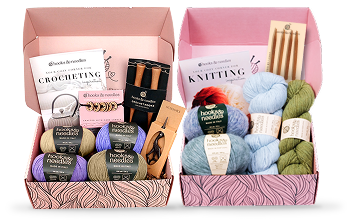
Subscription yarn boxes are curated to provide a delightful mix of yarns, often with project ideas included. However, the quantity of yarn in these boxes is designed with versatility and surprise in mind, which can make it tricky to understand if the yardage will cover your intended project. Subscription yarn quantity can range from one large skein to multiple smaller skeins of different weights.
It’s important to review the box’s stated total yardage and compare it to the yarn yardage guide for your desired projects. For example, a typical medium-weight scarf might require 300-400 yards, while a baby blanket can need 1000 yards or more. Boxes often suggest what projects the yarn can be used for, but if you plan something outside those suggestions, checking yardage is essential.
Keep in mind that some subscription boxes focus on creative exploration with smaller quantities of various yarns rather than full project coverage. If your goal is to complete a specific project, verify yardage and gauge compatibility before committing to a box or supplement with additional yarn as needed.
Common Mistakes + Fixes with Subscription Yarn
A common misunderstanding is assuming subscription boxes always provide enough yarn for a full project. Many boxes offer sample or mini skeins ideal for swatching or smaller accessories, which may not suffice for larger items. If you want a guaranteed full project yarn quantity, look for subscription options that specify yardage per box clearly.
Another issue is ignoring yarn weight and gauge differences. If the box’s yarn weight doesn’t match your project’s pattern, yardage requirements will differ. Always check both yarn weight and yardage before starting.
Pro Tip: Use Subscription Yarn for Modular or Mixed Projects
To maximize subscription yarn quantity, consider projects that use multiple yarns or modular construction, such as granny squares, stripes, or patchwork afghans. This approach allows you to enjoy curated yarn variety while managing yardage effectively.
We'd love to craft with you.
Your crafting journey starts here. Get premium materials, exclusive designs, and video tutorials. Join a welcoming community and receive free patterns with your first order.
Cancel anytime, no commitment.

Yarn Yardage Guide and Project Planning
A yarn yardage guide is a practical tool to estimate how much yarn you need for different types of crochet projects. For example, smaller accessories like hats or mittens often require 150-250 yards, while sweaters and blankets typically need 800 yards or more. Patterns usually provide this information, but if you’re designing your own or adapting a project, consulting a yardage guide helps avoid surprises.
When planning, consider yarn weight categories: lace, fingering, sport, worsted, bulky, etc., as each impacts yardage requirements differently. A worsted weight blanket will need fewer yards than a lace shawl of the same size because thicker yarn covers more area per yard.
Always factor in your gauge and stitch choice. Complex stitches like cables or bobbles consume more yarn than simple single crochet or stockinette. Swatching remains the best way to refine your yardage estimates.
Common Mistakes + Fixes with Yardage Guides
One mistake is treating yardage guides as rigid rules rather than flexible estimates. Yarn brands, tension, and project style cause variation. Fix this by adding a safety margin of 10-20% extra yarn.
Another error is ignoring the yarn weight category, which can cause under- or overestimations. Always match your yarn weight to the guide and pattern recommendations.
Pro Tip: Use Online Yardage Calculators
Several online tools and apps help calculate yarn yardage based on your project dimensions, stitch patterns, and yarn weight. Using these calculators alongside traditional guides adds precision and confidence to your planning process.
Craft Terms Explained: Gauge, Yardage, and Tension
Gauge is the number of stitches and rows per inch in your crochet or knitting, measured by making a small sample swatch. Gauge affects the final size of your project and how much yarn it consumes. Matching the pattern’s gauge ensures your project turns out as expected.
Yardage refers to the length of yarn in yards or meters contained in a skein or required for a project. It is the most reliable measurement for determining if you have enough yarn for a project.
Tension describes how tightly or loosely you crochet or knit. Tension influences gauge and yarn consumption. A tighter tension uses more yarn and produces a smaller fabric, while a looser tension uses less yarn and creates a larger fabric.
Closing Thoughts
Understanding what “enough yarn” means is essential to successful crochet projects and enjoying your crafting experience. By focusing on yardage rather than skein count, considering gauge and tension, and using yarn yardage guides, you can plan your projects with greater clarity and confidence.
Subscription yarn boxes offer exciting variety, but it’s important to match their quantity to your project requirements realistically. Knowing how to assess subscription yarn quantity and adapt your projects accordingly helps you avoid mid-project yarn shortages and crafting frustration.
At Hooks & Needles, we aim to be your trusted guide in navigating yarn crafts with modern patterns and clear instructions. We encourage you to explore our resources and curated yarn offerings as you build skills and enjoy your crafting journey with assurance and creativity.
FAQ
How do I know how much yarn I need for a crochet project?
Check the pattern’s yardage requirement, which is usually listed in yards or meters. Consider your gauge and tension by making a swatch to ensure accuracy. Adding 10-15% extra yarn is recommended for finishing.
Does the number of skeins always indicate enough yarn?
No. Skein sizes vary by brand and weight. Always total the yardage rather than counting skeins to determine if you have enough yarn for your project.
Are subscription yarn boxes guaranteed to have enough yarn for a full project?
Not always. Many boxes focus on variety and exploration with smaller quantities. Check the total yardage and project suggestions before starting to ensure they meet your needs.
How does gauge affect yarn usage?
Gauge determines the size of your stitches. A tighter gauge uses more yarn and results in a smaller fabric, while a looser gauge uses less yarn and creates a larger fabric. Matching pattern gauge is important for accurate yarn estimates.
What if I want to use yarn from a subscription box for a project not listed?
Compare the box’s total yardage and yarn weight to your pattern’s requirements. If the yardage is insufficient, consider smaller projects or modular designs to make the most of your yarn.