Quick Summary
Feeling overwhelmed by where to start with crochet? You’ll learn the essential stitches like slip knot, chain stitch, and single crochet, plus how to read patterns and manage tension so your projects look great. If you want clear steps and helpful support from start to finish, this is the perfect place for you.
Why Learning the Basics Right Matters More Than You Think
When you first pick up a crochet hook, it’s easy to feel lost in the sea of stitches, yarn types, and confusing abbreviations. But starting with a solid foundation saves you frustration later. Getting comfortable with the slip knot, chain stitch, and single crochet sets you up for success and confidence as you build your skills.
Many beginners struggle because they skip these early steps or rush into complicated patterns. Instead, focus on understanding tension — how tight or loose your stitches are — to create even work that’s enjoyable to make and pleasing to wear or gift. Once you grasp these basics, reading crochet patterns becomes less intimidating, turning instructions into a clear, step-by-step roadmap.
This approach isn’t about overwhelming you but about giving you clarity and control. Learning how to start crocheting with the right techniques means you’ll finish more projects and actually enjoy the journey.
How to Learn to Crochet Beginners: Key Skills to Start With
Starting crochet begins with the slip knot — the simple loop that holds your yarn on the hook. It’s your first connection to the craft and surprisingly easy once you get the hang of it. From there, the chain stitch is your foundational stitch, forming the base for nearly every project. Practicing a smooth, consistent chain will make a noticeable difference in your work.
Next comes the single crochet stitch, one of the most basic and versatile stitches you’ll use in countless patterns. It’s the first stitch many beginners master because it’s straightforward yet teaches you how to insert your hook, yarn over, and pull through loops. Understanding this stitch unlocks many projects and helps build muscle memory.
Don’t forget tension — it’s the invisible skill that controls how tight or loose your stitches are. Good tension keeps your fabric even and your projects sized correctly. Too tight, and your work will be stiff and hard to crochet; too loose, and the fabric looks sloppy or holes appear where they shouldn’t. Pay attention to how you hold your yarn and hook; small adjustments here make a big difference. For more on this, check out our crochet learning pathway that builds these skills step-by-step.
Reading a Crochet Pattern Without Fear
Patterns might look like a secret code at first, but once you know the language, they become your best friend. Most beginner patterns use abbreviations like "ch" for chain, "sc" for single crochet, and "sl st" for slip stitch. These terms are shorthand to save space but understanding them unlocks endless project possibilities.
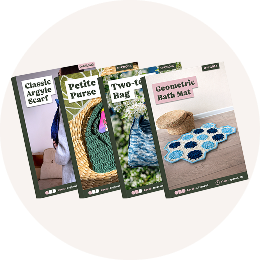
Patterns typically start with a foundation chain, then guide you row by row or round by round. Don’t rush; take your time interpreting each step. If you’re unsure, watching a video alongside reading can clarify confusing parts — Hooks & Needles offers video tutorials that match our print patterns perfectly for this reason.
Starting with simple, repetitive patterns builds confidence and helps you recognize stitches in context. You can also find helpful charts and stitch diagrams that visually explain the instructions. These are great tools for visual learners.
Common Mistakes + Fixes
- Uneven tension: If your stitches look too tight or too loose, try holding your yarn a bit differently or relaxing your hand grip. Practice makes perfect, so keep experimenting until it feels natural.
- Skipping stitches or adding extras: Count your stitches carefully at the end of each row to avoid accidental increases or decreases that change your project shape.
- Confusing stitch abbreviations: Keep a beginner crochet guide handy or use online resources to double-check terms. Our crochet hook size guide also explains stitch terminology in context.
Pro Tip: Get Comfortable With Your Tools Early
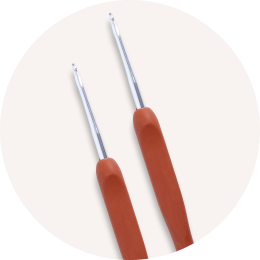
Choosing the right crochet hook size and yarn weight helps you learn tension and stitches more easily. A medium-weight yarn (like worsted) and a size H (5.0 mm) hook are widely recommended for beginners because they’re easy to handle. Avoid very thin or very bulky yarns at first — they can frustrate your progress.
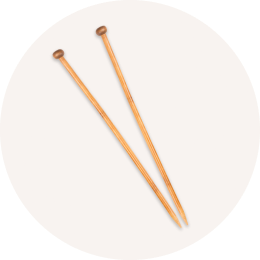
Explore different hook materials too — plastic hooks are lightweight, aluminum hooks glide smoothly, and wooden hooks offer warmth and grip. Find what feels best to you early on for better comfort and less hand fatigue.
Want every project pre-planned for you?
Each Mrs. Quilty box arrives with 17+ handpicked items valued at over $90 — coordinated fabric, notions, an exclusive pattern, and step-by-step video tutorials. No decisions, no guesswork. Just open the box and quilt.
Use LEARN20 for 20% off your first box

How to Start Crocheting: Building Confidence One Stitch at a Time
Once you’ve mastered the slip knot, chain stitch, and single crochet, your next step is to practice simple projects that reinforce your skills. Dishcloths, scarves, or small pouches are excellent starter projects. They use just a few stitches but give you a tangible sense of accomplishment.
Don’t worry about perfection — the goal is steady progress and enjoying the rhythm of the craft. Over time, you’ll naturally improve your tension and stitch consistency. If you find yourself getting stuck, revisit the basics or try watching a different tutorial style. Sometimes hearing the same instructions in a new way makes all the difference.
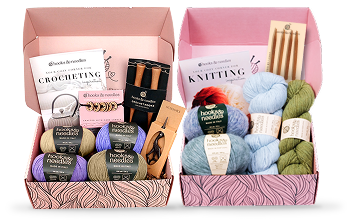
Remember that crochet is a journey. Each project teaches you something new, and even “mistakes” are opportunities to learn. For ongoing support and clear progression, Hooks & Needles offers a structured skill path combining print and video formats with all the tools you need, making it easier to follow along and build your confidence step-by-step.
Closing Thoughts
Starting crochet can feel confusing, but focusing on essential skills like the slip knot, chain stitch, and single crochet gives you a solid foundation that makes everything else easier. Paying attention to tension and learning to read patterns with confidence sets you up for success and enjoyment in your projects.
Confidence grows with practice and the right guidance. By taking it step-by-step and using supportive resources, you’ll turn those first wobbly stitches into beautiful handmade items you’re proud of. Crochet is more than just craft — it’s a relaxing, creative outlet that rewards patience and care.
If you want a smooth, stress-free start with everything planned and explained in detail, explore what Hooks & Needles has to offer. The right tools, clear tutorials, and a welcoming community will help you stick with it and see your skills flourish.
FAQ
What is the easiest stitch for beginners to learn?
The single crochet stitch is usually the easiest for beginners. It’s simple, versatile, and builds the foundation for many projects.
How do I keep my tension even when crocheting?
Hold your yarn and hook comfortably without gripping too tightly. Practice consistently and adjust your grip until your stitches feel smooth and even.
Can I learn crochet without watching videos?
Yes, but videos can help clarify tricky steps and show hand movements in real time. Combining print patterns with videos often makes learning easier.
What size hook should I use as a beginner?
A medium-size hook like an H (5.0 mm) paired with worsted weight yarn is ideal for beginners because it’s easy to handle and see your stitches.
How do I read crochet pattern abbreviations?
Common abbreviations include "ch" for chain, "sc" for single crochet, and "sl st" for slip stitch. Keeping a crochet abbreviation chart handy helps you understand patterns quickly.