Quick Summary
This article guides you through the essentials of crochet amigurumi for beginners, focusing on creating your first small plush. Learn practical tips, easy amigurumi patterns, and how to avoid common mistakes for a smooth crafting experience.
Introduction
Starting your journey into amigurumi can be both exciting and a little overwhelming. Crafting a small crochet plush requires understanding basic crochet techniques while also managing details like stitch tension and shaping. Many new crafters find themselves unsure about where to begin or how to avoid pitfalls that can affect the final look of their project. This article aims to clarify the process, helping you gain confidence and achieve a satisfying result on your first amigurumi creation.
Clarity and patience are key when learning amigurumi for beginners. Unlike flat crochet projects, amigurumi demands working in rounds and precise stitch counts to form three-dimensional shapes. By understanding core concepts and following well-structured patterns, your first small crochet plush can be both enjoyable and successful. We will cover essential tips, common mistakes, and simple project ideas that are beginner-proof without oversimplifying the craft.
With this guide, you’ll build a solid foundation for future amigurumi projects while mastering your first plush toy. The goal is to empower you with knowledge and practical advice so that finishing your project feels rewarding rather than frustrating. Let’s dive into the world of amigurumi and make your very first crochet plush come to life.
Understanding Amigurumi for Beginners
Amigurumi is a Japanese art form of crocheting small, stuffed yarn creatures. The term combines "ami" (crocheted or knitted) and "nuigurumi" (stuffed doll). For beginners, the most important foundation is learning how to work in continuous rounds, typically using single crochet stitches. This technique differs from flat crochet projects, which use rows. Working in spirals helps create the smooth, rounded shapes characteristic of amigurumi.
Another essential concept is gauge, which refers to how tight or loose your stitches are. In amigurumi, maintaining consistent tension is vital because loose stitches may allow stuffing to show through, while overly tight stitches can make your hands tire quickly and distort the shape. Using the right yarn weight and hook size recommended by your pattern ensures a balanced texture and size.
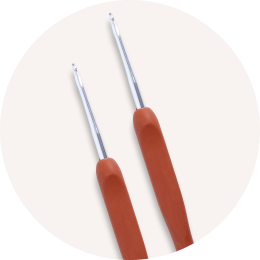
Small crochet plush projects often use worsted weight or DK yarn and hooks sized between 2.5 mm and 4 mm. Choosing an easy amigurumi pattern with clear instructions and minimal complicated shaping is ideal for your first project. These patterns focus on simple shapes like spheres and cylinders, building your skills without overwhelming you.
Common Mistakes and How to Fix Them
One frequent challenge for first-time amigurumi makers is losing track of stitch counts, which can cause uneven shapes or unintended increases and decreases. To avoid this, use stitch markers to mark the beginning of your rounds and count your stitches regularly. If you notice an error, it’s best to unravel back to the mistake and correct it rather than continuing and risking a misshaped plush.
Another common mistake is inconsistent tension. If your stitches vary too much in tightness, the final plush might look lumpy or uneven. Practicing single crochet stitches on scrap yarn before starting your project can help you develop steadier tension. Also, take breaks during longer sessions to avoid fatigue, which can affect your stitch uniformity.
Pro Tip: Choosing Yarn and Hook Combinations
For your first amigurumi, opt for a smooth, medium-weight yarn in a light color. Light yarn colors make it easier to see stitches and count them accurately. Pair this with a slightly smaller hook than you would use for regular crochet to keep the fabric tight enough to hold stuffing securely. For example, if your yarn suggests a 4 mm hook, try a 3.5 or 3 mm hook for amigurumi.
Using cotton yarn is advantageous as it provides clear stitch definition and durability, which is perfect for small crochet plush that will be handled frequently. Avoid novelty or fuzzy yarns for your first project as they can obscure stitches and complicate counting.
We'd love to craft with you.
Your crafting journey starts here. Get premium materials, exclusive designs, and video tutorials. Join a welcoming community and receive free patterns with your first order.
Cancel anytime, no commitment.

Step-by-Step Guide to Your First Small Crochet Plush
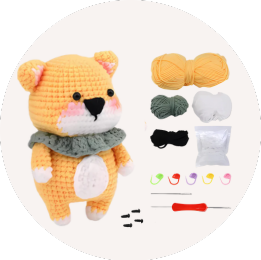
Begin your first amigurumi by selecting an easy amigurumi pattern that features basic shapes and limited color changes. Patterns labeled “easy” or “beginner-friendly” usually include detailed instructions and stitch counts for each round. Before starting, gather all materials: yarn, the correct crochet hook, stitch markers, stuffing, and a yarn needle for finishing.
Start with a magic ring (also called a magic circle), a technique that allows you to begin crocheting in the round without a hole in the center. This is crucial for amigurumi to give your plush a neat, closed start. Once you complete the first round of single crochet stitches into the magic ring, pull the tail to close the loop tightly.
Follow your pattern’s instructions for increasing stitches evenly to form a sphere or other shapes. Use stitch markers to mark the start of each round and count carefully. After reaching the desired size, work several rounds without increases to build height or width, then begin decreasing stitches to close your shape. Stuff the plush firmly but not excessively to maintain shape without stretching stitches.
Craft Terms Defined
- Magic ring: A method to start crocheting in the round that creates an adjustable loop to close the center tightly.
- Single crochet (sc): The most basic crochet stitch, used predominantly in amigurumi.
- Increase (inc): Adding stitches to widen your piece, typically by crocheting two stitches into one stitch.
- Decrease (dec): Reducing stitches to taper the shape, often by crocheting two stitches together.
- Gauge: The number of stitches and rows per inch, important for sizing and tension.
Common Mistakes + Fixes
A frequent error is overstuffing the plush, which can stretch stitches and distort shape. To fix this, remove some stuffing and reshape the piece gently. Understuffing causes a floppy toy; add fiberfill evenly to create a firm but flexible shape. Another issue is skipping stitch markers, which leads to confusion about rounds—always mark your first stitch to maintain accurate stitch counts.
Misreading patterns can also lead to mistakes. Amigurumi patterns often use abbreviations and require counting rounds precisely. If unsure, refer to Hooks & Needles’ Amigurumi Track for helpful tutorials and explanations.
Pro Tip: Use Video Tutorials to Enhance Learning
Visual aids can clarify tricky techniques like the magic ring, increases, and decreases. Watching a video tutorial alongside your pattern can reduce frustration and speed up learning. Hooks & Needles offers a curated selection of Video Tutorials that demonstrate essential amigurumi stitches and finishing touches.
Combining visual learning with written instructions caters to different learning styles and makes your first small crochet plush project more accessible and enjoyable.
Closing Thoughts
Mastering amigurumi for beginners involves patience, practice, and understanding key crochet concepts like working in rounds, stitch counts, and tension control. Starting with an easy amigurumi pattern and quality materials sets a solid foundation for your crafting journey. While mistakes are part of the learning process, knowing common pitfalls and how to fix them helps maintain motivation and confidence.
Remember, every stitch brings you closer to a unique handmade plush that reflects your growing skills. Hooks & Needles is here as your trusted guide, offering clear instructions, supportive resources, and quality materials to help you succeed in amigurumi and beyond. Take your time, enjoy the process, and explore the joy of small crochet plush creations.
FAQ
What is the easiest amigurumi pattern for beginners?
Simple shapes like spheres, balls, or basic animals with minimal parts and color changes are easiest. Look for patterns labeled easy or beginner-friendly with detailed instructions and stitch counts.
How tight should my stitches be for amigurumi?
Stitches should be tight enough to prevent stuffing from showing through but not so tight that crocheting becomes difficult or the fabric is overly stiff. Practice maintaining consistent tension for the best results.
Can I use any yarn for amigurumi?
While many yarns work, smooth, medium-weight yarns like cotton or acrylic are recommended for beginners. Avoid fuzzy or novelty yarns as they make it harder to see stitches and count accurately.
What is a magic ring, and why is it important?
A magic ring is a crochet technique that creates a tight, adjustable loop to start crocheting in the round. It prevents holes in the center of your amigurumi, giving a neat, professional finish.
How do I fix uneven shapes in my amigurumi?
Check your stitch counts and tension. Use stitch markers to keep track of rounds and correct mistakes early. Adjust stuffing evenly to shape your plush. If needed, unravel to the problem point and redo that section carefully.