Quick Summary
This article explores the key characteristics of merino, alpaca, and cotton fibers to help crafters choose the best yarn for their projects. Ideal for those new to natural fibers, it breaks down comfort, durability, and care considerations.
Choosing the right yarn can feel overwhelming, especially when faced with premium natural fibers like merino, alpaca, and cotton. Each fiber brings unique qualities that influence the feel, durability, and care of your finished project. Understanding these differences is essential for crafting with clarity and confidence. Without clear guidance, you might find yourself stuck mid-project or disappointed by the final texture and warmth of your creation.
This article aims to clarify the distinctions between these three popular natural fibers, helping you make informed decisions aligned with your project’s needs. Whether you’re crafting a cozy sweater, a lightweight shawl, or a soft baby blanket, knowing which fiber suits your purpose will enhance your crafting experience and results. We focus on practical information and avoid overwhelming jargon, so you can confidently select yarns that feel wonderful and perform well.
By the end of this guide, you will understand the essential features of merino, alpaca, and cotton yarns, including softness, breathability, durability, and care requirements. This knowledge will empower you to choose the right yarn, optimize your gauge and tension, and enjoy crafting with fibers that truly suit your style and needs.
Understanding Merino Wool: Softness and Versatility
Merino wool is a premium natural fiber prized for its exceptional softness and elasticity compared to traditional wool. Harvested from Merino sheep, it features fine, thin fibers that feel gentle against sensitive skin, making it a popular choice for garments worn close to the body. Merino’s natural crimp provides stretch and resilience, helping your fabric maintain shape over time. This makes it particularly well-suited for sweaters, hats, and scarves.
Another key benefit of merino wool is its excellent moisture-wicking ability. It can absorb perspiration while remaining warm even when damp, which is why it’s often used in performance and outdoor wear. For knitters and crocheters, merino yarn typically has a smooth texture that works well with a variety of stitch patterns, including cables and lace. However, because it is a delicate fiber, it requires gentle care, such as hand washing or low-temperature machine washing with mild detergents.
Overall, merino provides a balance of softness, warmth, and durability that makes it an excellent choice for crafters seeking a premium yet versatile yarn. It is important to note that while merino is softer than many wools, it may still cause slight itchiness for those highly sensitive to wool fibers.
Alpaca Yarn: Luxurious Warmth and Hypoallergenic Comfort
Alpaca fiber is renowned for its silky texture and outstanding warmth, often compared to cashmere for its luxurious feel. Derived from the South American alpaca, this natural fiber is hollow at the core, which creates excellent insulation without added weight. This air-trapping quality renders alpaca yarn incredibly warm, making it ideal for winter accessories and outerwear.
One of the notable advantages of alpaca is its hypoallergenic properties. Unlike wool, alpaca contains no lanolin, which is the substance responsible for many wool allergies. This makes alpaca yarn a particularly good option for those with sensitive skin or allergies to traditional sheep wool. It also has a natural sheen and drape that lends elegance to finished pieces.
Despite its softness, alpaca fibers are less elastic than merino, so garments may stretch slightly over time if not properly supported with a good stitch pattern or blend. Care instructions for alpaca usually recommend hand washing and drying flat to preserve fiber integrity. Alpaca yarns vary in weight and ply, so checking the label and swatching is essential to ensure the best gauge and fabric density for your project.
Why Cotton Remains a Classic Choice
Cotton yarn is a staple in the world of natural fibers, valued for its breathability, durability, and ease of care. Unlike animal fibers, cotton is plant-based and features smooth, non-elastic fibers that create a sturdy fabric with minimal stretch. This makes cotton ideal for items like dishcloths, summer garments, and baby wear where softness and washability are priorities.
Cotton is especially appreciated for its hypoallergenic qualities and suitability for sensitive skin, often recommended for those who prefer non-wool fibers or have allergies. It can absorb moisture well but does not retain heat like wool or alpaca, making it better suited for warm weather or layering in cooler seasons. Cotton yarns come in many varieties, including organic and mercerized forms, which offer different levels of sheen, strength, and smoothness.
One consideration when working with cotton is its tendency to stretch and lose shape after repeated washing and wear. This characteristic requires careful attention to gauge and sometimes using tighter tension or blending cotton with other fibers to improve elasticity. Cotton is also heavier than wool or alpaca, which may impact the drape and feel of your project.
Common Mistakes and How to Fix Them
A common error when working with these premium fibers is selecting a yarn without considering the project’s requirements for stretch, warmth, or care. For example, using pure cotton for a project that needs elasticity may result in a stiff or misshapen garment. To fix this, consider blending fibers or adjusting needle size to alter gauge and drape.
Another mistake is neglecting proper care instructions. Merino and alpaca require gentle washing to avoid felting or fiber damage, while cotton can shrink if washed in hot water. Always read labels and test swatches with your preferred care method before committing to a full project.
Finally, beginners sometimes overlook the importance of tension and gauge, which can drastically affect the fabric’s appearance and fit. Swatching with your chosen fiber and needles or hooks is essential to achieve consistent results.
Pro Tip: Swatch and Feel
Before starting any project, knit or crochet a swatch with your chosen yarn. This simple step helps you assess softness, drape, and gauge, ensuring your yarn choice delivers the desired look and feel. Pay attention to how the yarn handles your stitch pattern and how it feels on your skin—this is especially important for sensitive skin or wearable items.
Defining Key Terms: Fiber, Gauge, and Tension
For clarity, fiber refers to the raw material strands used to make yarn, such as merino wool, alpaca, or cotton. Each fiber’s characteristics influence the yarn’s texture, warmth, and durability. Gauge is the number of stitches and rows per inch, which determines the size and fit of your finished piece. Maintaining correct gauge is critical, especially when switching between different fibers with varying elasticity.
We'd love to craft with you.
Your crafting journey starts here. Get premium materials, exclusive designs, and video tutorials. Join a welcoming community and receive free patterns with your first order.
Cancel anytime, no commitment.

Choosing the Right Fiber for Your Project
When selecting between merino, alpaca, and cotton, consider your project’s intended use and the wearer’s needs. Merino is an excellent all-rounder for warmth and softness, suited to garments requiring stretch and shape retention. Alpaca offers unmatched warmth and softness with a silky finish, ideal for winter accessories and those needing hypoallergenic options. Cotton works best for breathable, durable items meant for sensitive skin or warm climates.
Each fiber has its own care nuances and durability profile. Merino and alpaca both require gentle washing and careful drying to maintain softness and prevent damage. Cotton’s ease of care makes it practical for items that will see frequent washing, but its lower elasticity means you may need to adjust stitch choices or blend with other fibers.
Exploring our Yarn Guide and Fiber Glossary will deepen your understanding of these fibers and help you confidently select yarns tailored to your projects. Taking time to know your yarn is an investment in crafting success and satisfaction.
Closing Thoughts
Choosing between merino, alpaca, and cotton involves more than just picking a pretty yarn. It requires understanding how each fiber’s unique qualities align with your project’s needs for softness, warmth, durability, and care. By learning these distinctions, you gain clarity and confidence in yarn selection, which leads to more enjoyable crafting and satisfying finished pieces.
While no single fiber is perfect for every project, merino, alpaca, and cotton each hold valuable places in a well-rounded crafter’s toolkit. Their premium natural fiber qualities offer comfort and style that synthetic alternatives may not match. Approaching your fiber choices informed and thoughtful helps you bring your creative visions to life with ease.
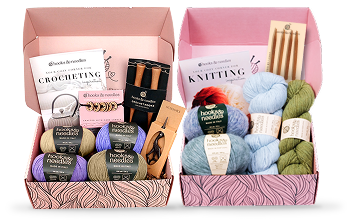
We invite you to continue your exploration of yarn and fibers with Hooks & Needles as your trusted guide. Our resources, patterns, and curated subscription boxes are crafted to support your journey toward beautiful, lasting handmade creations.
FAQ
What is the main difference between merino and alpaca yarn?
Merino wool is softer and more elastic with excellent moisture-wicking, while alpaca is warmer, hypoallergenic, and has a silky texture but less stretch.
Is cotton yarn suitable for sensitive skin?
Yes, cotton is a plant-based fiber that is breathable and hypoallergenic, making it ideal for those with sensitive skin or allergies to animal fibers.
How should I care for projects made with merino or alpaca yarn?
Both merino and alpaca require gentle hand washing or delicate machine cycles with mild detergent and flat drying to maintain fiber quality and prevent felting or stretching.
Can I blend cotton with wool or alpaca yarn?
Yes, blending cotton with wool or alpaca can improve elasticity, drape, and durability while combining the benefits of each fiber for versatile projects.
Why is swatching important when using different fibers?
Swatching helps you test gauge, tension, and fabric feel with your chosen yarn, ensuring your project will meet size and texture expectations before you begin.