Knitting your own clothes is a rewarding way to embrace slow fashion. This approach focuses on creating durable, high-quality garments while reducing waste and environmental impact. By choosing natural fibers like wool or organic cotton, you can craft pieces that align with your values and last for years. From selecting eco-friendly yarns to repurposing materials, this guide will help you build a wardrobe that’s both practical and personal. Let’s dive into how to get started.
What Is Slow Fashion and How Does Knitting Fit In?
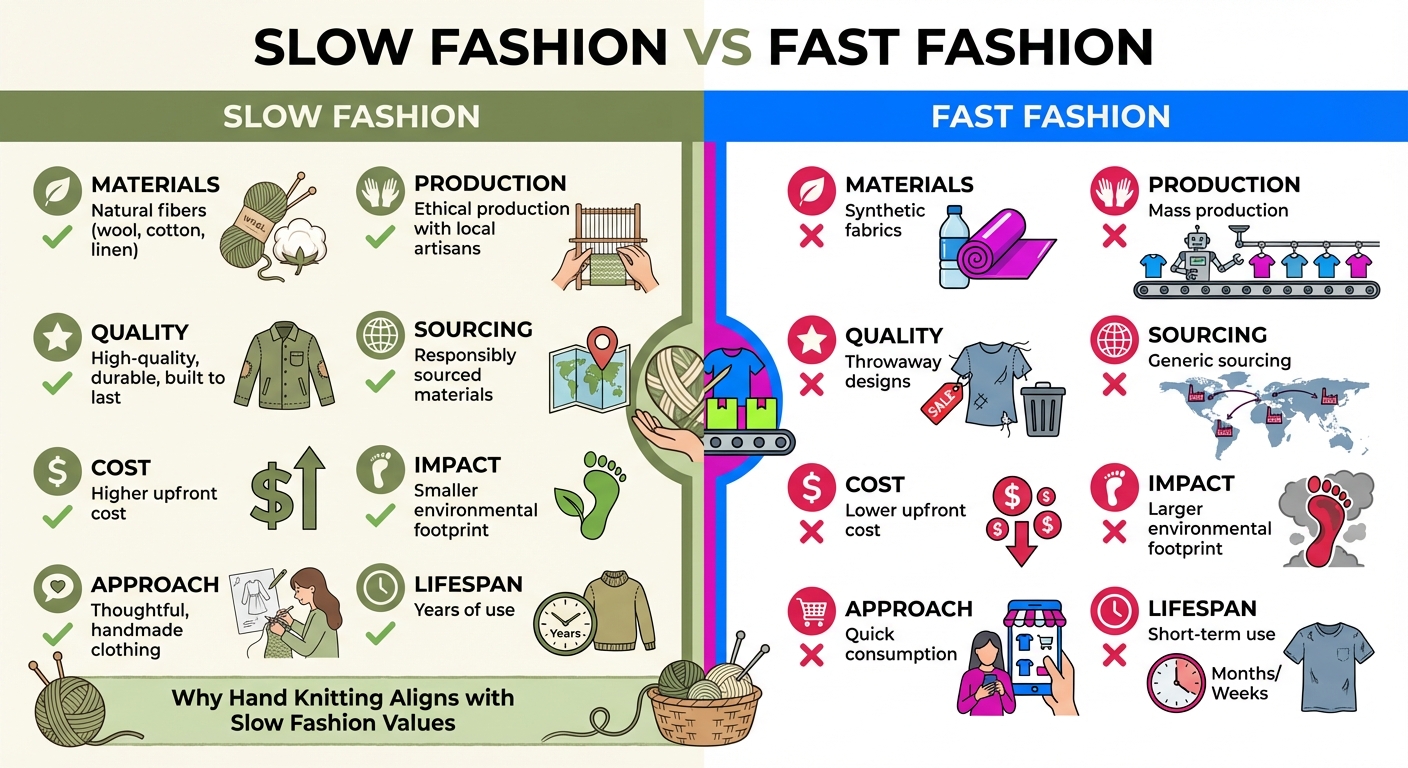
Slow Fashion vs Fast Fashion: Key Differences in Materials and Approach
Defining Slow Fashion
Slow fashion challenges the fast fashion industry by focusing on ethical production, quality materials, and designs built to last. It emphasizes collaborating with local artisans and choosing responsibly sourced materials.
Ruby Grais, a contributor to The Spruce Crafts, explains that slow fashion encourages making high-quality, handmade clothing with eco-friendly, durable materials.
The key difference between slow and fast fashion lies in the approach to consumption. Fast fashion thrives on synthetic fabrics and throwaway designs, while slow fashion prioritizes natural fibers like wool, cotton, and linen, crafted for longevity. Sustainable yarns - often from producers committed to animal welfare and fair labor - may cost significantly more than synthetic alternatives. However, this higher upfront cost leads to better durability and a smaller environmental footprint. Hand knitting naturally aligns with these values, as each piece becomes a reflection of thoughtful choices.
Why Hand Knitting Supports Slow Fashion
Hand knitting offers unmatched control over every detail, from the type of fiber to the final fit. Unlike off-the-rack clothing that adheres to generic sizes, knitting lets you create garments tailored to your specific measurements. Whether you have broader shoulders, longer arms, or prefer a looser fit, knitting accommodates individual preferences. As Karen Templer, founder of KT's Slow Closet, puts it:
"The beauty of knitting our own sweaters is that we can account for these differences amongst us, as long as we know four things: our gauge, the pattern measurements, our own measurements, and how we like things to fit."
This level of customization ensures that your handmade garments are not only wearable but cherished. By measuring a favorite sweater for reference, you can replicate its perfect fit in your knitting projects. The time and effort you invest in creating each piece fosters a deeper connection to your clothing, making you more likely to care for, repair, and keep these items for years.
Knitting also supports a circular approach to fashion. For example, you can unravel thrifted sweaters to recover high-quality yarn. A single men's size L sweater often provides enough material to knit a women's size S garment. If a piece no longer fits or suits your taste, you can repurpose the yarn into something new. This flexibility makes knitting an ideal way to build a sustainable, personalized wardrobe.
What a Knitted Wardrobe Looks Like
A slow fashion wardrobe built around knitting focuses on versatile, timeless pieces that work seamlessly with what you already own. Start by identifying gaps in your closet. Do you need a neutral cardigan for layering, a cozy scarf for brisk mornings, or a lightweight vest for in-between seasons?
Prioritize creating items with lasting appeal. Classic sweaters in neutral shades like cream, gray, or navy pair effortlessly with a variety of outfits. Cardigans are especially practical, while accessories like scarves, cowls, and shawls add warmth and style with less commitment than a full garment.
Knitted clothing is inherently flexible. By swapping yarns, you can adapt a single pattern for different seasons. Use cotton or linen for breathable summer pieces, and switch to wool or alpaca for cozy winter wear. This approach not only maximizes the utility of each pattern but also helps you build a cohesive, sustainable wardrobe that fits your lifestyle.
Selecting Eco-Friendly Yarns and Tools
Natural and Recycled Yarn Options
Choosing eco-friendly yarns and tools is a meaningful way to embrace sustainability in your crafting. Start by exploring yarns made from fibers that reduce environmental impact while maintaining quality and durability. For example, organic cotton is a fantastic option, using about 90% less water than traditional cotton and steering clear of harmful pesticides. It’s perfect for breathable summer garments or baby items. Linen, derived from flax, is another excellent choice. It dries quickly, softens with each wash, and ages beautifully, making it a long-lasting favorite.
When it comes to animal fibers, wool and alpaca stand out as renewable and biodegradable options. Wool is naturally moisture-wicking and retains warmth even when wet, while alpaca, with its hollow fiber core, is warmer than wool and often has a smaller environmental impact, especially when sourced locally. For a budget-friendly, eco-conscious choice, consider recycled yarn. Unraveling second-hand sweaters can yield high-quality fibers like cashmere or alpaca, keeping textiles out of landfills. As Emily Wessel, Co-founder and Designer at Tin Can Knits, puts it:
"Reusing fibres – and thus saving them from a landfill where they would otherwise end up – still seems to me to be a good thing."
For recycled blends, look for yarns with recycled polyamide or nylon to add durability, particularly for high-wear projects like socks. Some innovative yarns even incorporate SEAQUAL® polyester, made from marine plastic waste collected during ocean cleanup efforts. If you’re working with plant-based fibers like cotton or linen, knit a test swatch first. These fibers don’t have the elasticity of wool and may drape differently than expected.
Durable Needles and Reusable Accessories
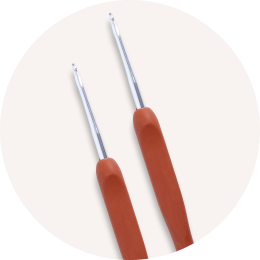
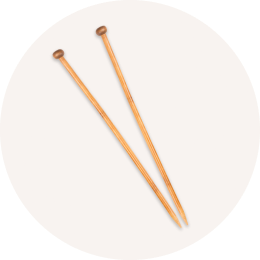
Your choice of tools also plays a big role in sustainable crafting. Bamboo and wooden needles are renewable, biodegradable, and provide a nice grip while knitting. If they develop minor splinters, a quick touch-up with a nail file can extend their lifespan. Metal needles, especially aluminum, are incredibly durable and can last a lifetime with proper care. Their smooth surface makes them great for speed knitting, and they’re fully recyclable when they eventually wear out.
Avoid plastic needles, which are prone to breaking and contribute to environmental harm. Instead, invest in an interchangeable needle set. These sets combine multiple tip sizes with various cable lengths, reducing the need for multiple individual tools and cutting down on clutter. A needle gauge can also help you determine sizes and avoid unnecessary purchases.
Hooks & Needles: Your Source for Eco-Friendly Supplies
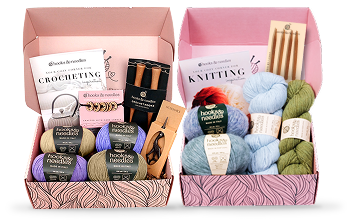
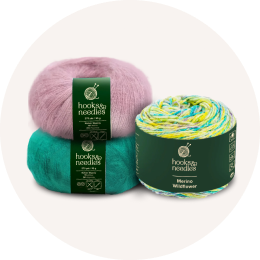
Hooks & Needles offers a thoughtfully curated selection of eco-friendly yarns and durable tools to support your sustainable crafting journey. Each product page includes detailed information about fiber content, care instructions, and project suitability. Check out our collection to find everything you need to create a sustainable and stylish wardrobe.
How to Plan Your Knitted Wardrobe
Follow these steps to create handmade pieces that complement a thoughtful and practical wardrobe.
Evaluate Your Current Wardrobe and Identify Gaps
Start by taking a close look at your existing wardrobe. Pull out your most-loved sweaters and pinpoint what makes them work for you. Is it the relaxed fit, a cropped length, or the soft texture against your skin? On the flip side, examine the items you rarely wear. Maybe a turtleneck feels too restrictive, or a wool cardigan is too itchy for daily use. As Karen Templer, founder of KT's Slow Closet, advises:
"To figure out how we like things to fit is to measure the clothes in our closet and compare them to each other and to … the schematic!"
Take measurements of your favorite garments to establish your ideal dimensions. These numbers act as your personal blueprint, offering a more reliable guide than a standard size chart. Also, think about your local climate and daily activities. For instance, if you live in a warm area, lighter, breathable fabrics like cotton or linen might suit you better than heavy wool. Deciding whether you prefer looser styles ("positive ease") or fitted ones ("negative ease") ensures your creations will fit seamlessly into your life.
Use these observations to guide your choices in colors, yarn weights, and styles.
Choose Colors, Yarn Weights, and Garment Styles
A cohesive wardrobe starts with intentional choices in color and yarn weight. Stick to a neutral or limited color palette that complements your existing clothes. When buying yarn, check the dye lot numbers carefully - slight variations between batches can lead to noticeable color differences in your finished piece. Purchasing enough yarn from the same dye lot will help you avoid these issues.
Yarn weight plays a big role in both the appearance and practicality of your garments. Bulky yarns create warm, thick sweaters perfect for winter, while lighter weights like fingering or DK are ideal for pieces you can wear year-round. For reference, a standard 32–40" bust pullover typically requires 1,100–1,400 yards of worsted weight yarn or 1,500–1,700 yards of fingering weight yarn. If you're working with heavily textured patterns, such as cables, plan for an extra 400–600 yards. Beginners might want to stick with simple stitch patterns, like stockinette or seed stitch, to master their gauge and achieve a perfect fit before tackling more complex designs.
Once you’ve settled on your colors and yarn weights, it’s time to think about substitutions and staying within your budget.
Yarn Substitution and Budget-Friendly Tips
Choosing the right yarn substitutions can help you balance quality and cost while minimizing waste. When substituting, ensure you match the yarn weight (e.g., DK for DK, worsted for worsted), and calculate the total yardage needed instead of relying on skein counts, as skeins vary in length. Andrea Lotz emphasizes:
"Gauge is the most important factor in a successful yarn substitution."
Always knit and block a gauge swatch before diving in. This step is crucial since fibers behave differently - cotton may shrink, while alpaca or cashmere can "bloom" and relax after washing.
Consider how each fiber performs when making substitutions. Wool, for example, is elastic and holds its shape well, making it great for structured garments. Plant-based fibers like cotton and linen, on the other hand, lack elasticity and drape more heavily, making them better suited for loose-fitting designs. For an affordable option, unravel second-hand sweaters to reuse high-quality fibers like cashmere or wool that might otherwise be out of reach. Finally, think about the cost-per-wear of your project. Opt for patterns that match your skill level to ensure success and longevity in your handmade wardrobe.
sbb-itb-f7119e8
Knitting Techniques for Durable Garments
Learning a few essential techniques can make all the difference when creating garments that stand the test of time. These methods not only help your knits maintain their shape but also align with the principles of a sustainable, slow-fashion wardrobe.
Gauge and Stitch Pattern Selection
The right stitch pattern can significantly impact the durability of your garment. Dense patterns like cables or linen stitch are excellent choices for fabrics that resist wear. Cables, for instance, use more stitches per inch than stockinette, making the material stronger and warmer. Linen stitch creates a tightly woven texture - so dense that two rows often equal the thickness of one, giving it a firm and durable quality.
While stockinette stitch is a classic choice, it tends to curl at the edges and requires borders or seams for stability. Garter stitch, on the other hand, lies flat and provides sturdy edge support. Ribbing is another common option, offering elasticity, but it can lose its shape after washing. To counteract this, consider yarns that blend natural fibers with synthetic ones like nylon, which adds strength and reduces sagging.
Always knit a gauge swatch in the exact stitch pattern you plan to use. Wash and block the swatch as you would the finished garment to ensure the fabric's dimensions stay consistent. For stockinette, adding a 2–3 stitch garter border can prevent curling and improve the garment's structure.
Once your stitch pattern is finalized and tested, focusing on solid construction techniques will enhance the garment's durability.
Construction and Finishing Methods
Strong construction methods are essential for garments that last. Seams, for example, provide a structural framework that prevents stretching, especially in heavier pieces or those made with fibers that drape. Blocking is another critical step - it sets the stitches and locks in the garment's final dimensions. Wet-blocking is particularly effective, as it allows fibers to settle into a stable form.
To reinforce edges, use garter or seed stitch borders, which can help stockinette fabric resist rolling. If your design includes ribbing at hems or cuffs, be aware that ribbing is highly stretchy and can relax over time. Swatching ribbing beforehand can help you anticipate and manage this behavior.
Adjusting Fit and Customizing Measurements
Achieving the right fit starts with accurate gauge measurements. Knit a blocked swatch and compare your gauge to the pattern. If there’s a difference, calculate the adjustment ratio by dividing your gauge by the pattern’s gauge. Use this ratio to adjust stitch and row counts accordingly. Measure your swatch over at least 4 inches, focusing on full stitches to avoid inaccuracies.
For modifications like sleeve length, reduce it if the armhole is particularly deep. After knitting about 5 inches of your project, recheck your gauge on a flat surface to confirm it matches your swatch. For a better overall fit, especially if you have narrow or wide shoulders, select your size based on upper torso measurements instead of general sizing.
Minimizing Waste in Your Knitting Projects
Creating a sustainable wardrobe means making the most of your yarn and extending the life of your garments. Thoughtful planning and practical techniques can help you cut down on waste while staying aligned with eco-friendly practices.
Using Leftover Yarn
Don't toss those small bits of leftover yarn - they can still serve a purpose! Turn them into smaller projects like socks, hats, or mittens that require minimal yardage. Another creative option is marling, where you hold two or more yarn strands together to create unique textures and color effects. Striped patterns are also a great way to use up scraps; single-row stripes, in particular, let you mix and match different colorways or dye lots to create enough material for larger projects. If you have lightweight yarns, try combining two strands to achieve the thickness you need. Additionally, reclaiming yarn from old knits is an excellent way to breathe new life into materials you already have.
Unraveling and Reusing Old Knits
Recycling yarn from old or thrifted sweaters is not only budget-friendly but also a smart way to reduce waste. For under $10, you can often recover enough yarn for an entire sweater. Focus on garments that are knit to shape and have crochet-chain seams, as these unravel easily and provide long, continuous strands. Steer clear of cut-and-sew pieces with serged seams, as they usually result in short, unusable fragments. Start unraveling from the cast-off edge, typically at the top, to retrieve a continuous strand of yarn. Once unraveled, wind the yarn into loose hanks and soak them in warm water with a no-rinse wool wash for 20 to 30 minutes. Let the hanks air-dry, and if the yarn is particularly kinked, you can add a small weight to help straighten it out.
Mending and Repairing Your Knits
When a beloved knit begins to show wear, repairing it can be more rewarding than replacing it. A simple fix can extend the life of your garment and keep it in your wardrobe for years to come. For frayed cuffs or neckbands, carefully clip the bind-off row, unravel back to stable stitches, and reknit with matching yarn. If you spot small holes or thinning areas, Swiss darning with a tapestry needle and similar yarn is an effective way to reinforce the fabric. As Julie, an experienced knitter and author, wisely shares:
"If you've invested all that time into creating a knitted piece, it should be something you love to wear. If it isn't and you love the yarn, why not give it a new lease on life?"
FAQs
How do I start creating a sustainable wardrobe through knitting?
Creating a more eco-conscious wardrobe through knitting begins with intentional choices and careful planning. Start by evaluating your current clothing collection to pinpoint the items you wear most often. Gradually replace rarely used garments with hand-knit pieces that are practical, versatile, and built to last. Opt for yarns made from recycled fibers or responsibly sourced materials to lessen your environmental footprint.
Before diving into a new project, brush up on key knitting skills like casting on, binding off, and measuring your gauge. Taking the time to swatch for gauge ensures your finished piece will fit as intended and helps avoid wasting yarn. Explore patterns and kits from Hooks & Needles that provide clear instructions and recommend sustainable yarn options. Consider starting with classic, mix-and-match designs such as sweaters, scarves, or cardigans in neutral tones that seamlessly fit into your wardrobe.
By prioritizing quality over quantity, choosing eco-friendly materials, and knitting pieces you’ll cherish, you can create a wardrobe that’s not only stylish but also built to stand the test of time.
Why should I use eco-friendly yarns for my knitting projects?
Using eco-friendly yarns adds a thoughtful touch to your knitting projects while promoting sustainability. These yarns are often crafted from natural fibers such as organic cotton, wool, hemp, linen, or silk. Some are even made from recycled materials. Compared to synthetic options, they require less energy and fewer fossil fuels during production, which helps reduce carbon emissions and their overall environmental footprint.
One of the standout benefits of eco-friendly yarns is their biodegradability. Unlike synthetic fibers that can linger in landfills for decades, these materials naturally break down at the end of their life. Recycled yarns take sustainability a step further by transforming discarded textiles into new fibers. This process not only cuts down on waste but also results in unique textures and colors, giving your projects a distinctive, personal flair.
Many of these yarns are dyed using non-toxic methods and come from farming practices that prioritize the health of soil, wildlife, and local communities. By choosing sustainably produced yarns, you’re creating beautiful, durable pieces while contributing to a cleaner, healthier planet.
What’s the best way to choose yarn for different seasons?
Choosing the right yarn for each season means aligning the fiber and weight with the weather and your project's needs. During the warmer months, plant-based fibers like cotton, linen, or bamboo are excellent choices. These materials are breathable, lightweight, and help you stay cool. For the colder months, animal fibers such as wool, alpaca, or cashmere are your best bet. They provide warmth by trapping heat and wick away moisture to keep you comfortable. If you're working on transitional pieces or outer layers, blended yarns that combine natural and synthetic fibers offer added durability and stretch.
When it comes to yarn weight, think about the season and the type of project. Lighter weights like sport or fingering are ideal for summer, while heavier weights such as worsted or bulky are better suited for winter. For those in-between seasons, medium-weight yarns (like DK) in merino blends are great for layering. Always check the yarn label for care instructions and take the time to swatch a small sample. This helps you see how the yarn feels and drapes before diving into your project. Hooks & Needles provides a thoughtfully chosen selection of eco-friendly yarns, making it easy to craft pieces that are perfect for any season.