Crocheting is the perfect way to unwind and create something with your hands in 2025. Whether you're looking to make cozy scarves, practical dishcloths, or thoughtful gifts, this guide will help you get started. With just a hook, yarn, and a bit of patience, you can master basic techniques and join a welcoming community of makers. Let’s dive into the tools, tips, and first projects to kick off your crochet journey.
Tools and Materials for Beginners
Starting crochet is simple and budget-friendly. Here’s what you’ll need:
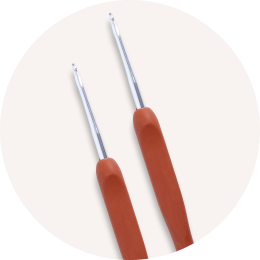
- Crochet Hook: A 5mm (H-8) or 6mm (J-10) hook is beginner-friendly. Aluminum hooks are smooth and affordable, while ergonomic hooks reduce hand fatigue. Try the 9 Pcs Blue Crochet Hook Set ($16.97) for comfort or LED Crochet Hooks ($31.97) for low-light crafting.
- Yarn: Medium-weight (category 4) yarn is ideal for beginners. Acrylic or cotton yarns are easy to use and machine washable. Light colors help you see your stitches clearly. Hooks & Needles offers beginner-friendly options like Bamboo Touch Yarn ($12.97 per skein).
- Accessories: Scissors, tapestry needles, stitch markers, and a measuring tape complete your toolkit. These essentials ensure neat and accurate projects.
Basic Crochet Techniques
Start with the slip knot and foundation chain, the building blocks of any project. Practice single crochet for a dense texture or double crochet for a more open look. Use light-colored yarn to make your stitches easier to see. Don’t worry if your first attempts aren’t perfect - consistent practice improves tension and stitch quality.
Reading Crochet Patterns
Crochet patterns may seem like a secret code, but they’re easy to understand with practice. Learn common abbreviations like CH (chain), SC (single crochet), and DC (double crochet). For example, a dishcloth pattern might read: “CH 21. Row 1: SC in 2nd CH from hook and in each CH across (20 SC).” Count your stitches to stay on track, and use stitch markers to avoid mistakes.
Beginner-Friendly Projects
Start small with washcloths, coasters, or scarves. These simple patterns reinforce basic skills without overwhelming you. Granny squares are another great choice, teaching you how to work in rounds and change colors. Each project builds confidence and prepares you for more complex designs.
Common Challenges and Fixes
Struggling with uneven tension or losing stitches? Relax your grip on the yarn and count your stitches at the end of each row. To finish projects neatly, weave in yarn tails securely to prevent unraveling. Mistakes are part of the learning process - don’t hesitate to undo and redo sections for better results.
Next Steps with Hooks & Needles
Ready to expand your skills? Hooks & Needles offers curated crochet kits and a Monthly Subscription Box ($34.97/month) featuring premium yarns, exclusive patterns, and tools. These options make it easy to start new projects without the hassle of gathering supplies. Whether you’re crafting for yourself or gifting handmade items, their products simplify the process and keep you inspired.
Crocheting is a rewarding hobby that grows with you. Start with the basics, and soon you’ll be creating beautiful, handmade pieces. Ready to begin? Explore beginner kits and patterns at Hooks & Needles and start stitching today.
sbb-itb-f7119e8
Basic Tools and Materials for Beginners
Getting started with crochet is simple and affordable. With just a few essential tools, you can dive into this rewarding craft and set yourself up for success.
How to Choose Your First Crochet Hook
Your crochet hook is your most important tool, and selecting the right one can make all the difference. For beginners, a 5mm (H-8) or 6mm (J-10) hook is ideal. These medium-sized hooks pair well with worsted weight yarn, making it easier to practice and refine your technique.
When it comes to materials, aluminum hooks are a popular choice. They’re smooth, readily available, and budget-friendly, typically priced between $2 and $10. If comfort is a priority, consider ergonomic hooks with soft handles, which provide a better grip and help reduce hand fatigue during longer sessions.
Hooks & Needles offers excellent beginner options, such as their 9 Pcs Blue Crochet Hook Set with Soft Handle for $16.97. This set includes multiple sizes with comfortable grips, giving you room to grow as your skills improve. For a modern twist, check out their LED Crochet Hooks (11-in-1 Rechargeable) for $31.97, perfect for working in low-light conditions.
Remember to match your hook size to the yarn weight recommended on the label for the best results.
Yarn Basics for New Crocheters
Starting with the right yarn is just as important as choosing your hook. Medium-weight (worsted, category 4) yarn is a great option for beginners. It’s thick enough to make stitches easy to see and forgiving of small mistakes. For your first projects, stick with acrylic or cotton yarns - they’re affordable, easy to work with, and machine washable.
Light-colored yarn is a smart choice for beginners, as it makes your stitches more visible. Avoid dark shades or very thin yarns until you’re more confident in your skills.
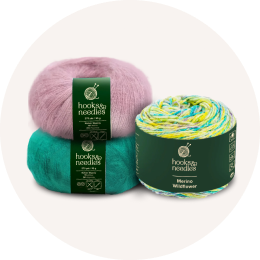
Hooks & Needles features a range of beginner-friendly yarns, including Bamboo Touch Yarn, Alpine Cotton, Merino Wildflower Yarn, Merino Charm Yarn, and Woodland Whisper Yarn, all priced at $12.97 per skein. These yarns are soft, easy to handle, and available in a variety of beautiful colors.
As Sarah M., a happy customer, shared:
"Finally found yarn that actually feels as soft as it looks online!"
If you’re looking for a convenient way to explore high-quality yarns, the Hooks & Needles Crochet Box subscription is a great option. It’s tailored for beginners and includes hand-picked European yarns to inspire your first projects.
Other Tools You'll Need
Beyond your hook and yarn, a few additional tools will help you complete your projects neatly and efficiently:
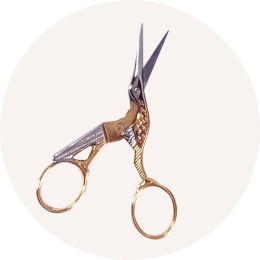
- Scissors: A sharp pair is essential for cleanly cutting yarn. Dull scissors can fray the ends and affect the look of your work.
- Tapestry needles: These large-eyed, blunt-tipped needles are perfect for weaving in loose ends and sewing pieces together.
- Stitch markers: These small tools are invaluable for keeping your place, especially when learning new stitches or working in rounds.
- Measuring tape: Use this to check your gauge and ensure your projects come out to the correct size.
Hooks & Needles stocks all these accessories, including cutting tools, stitch markers, and point protectors, so you can find everything you need in one place.
Getting started with crochet doesn’t require a big investment. Essential tools typically cost between $15 and $25, and they’ll last as you continue to grow in your craft. Whether you pick individual items or go for a complete starter kit, having the right supplies from the beginning sets you up for a fun and successful crochet journey.
Basic Crochet Techniques to Learn First
With your tools ready, it’s time to dive into the essential techniques that form the backbone of every crochet project. While these skills may seem simple, they take practice to master. Once you get the hang of them, they’ll feel like second nature.
Making a Slip Knot and Holding Your Hook
Every crochet project begins with a slip knot - it’s the first loop on your hook and the starting point for your work. To make one, create a loop with your yarn, pull the working end through that loop, and tighten it gently onto your hook. The trick is finding the right balance: it should be snug enough to stay secure but loose enough to let your hook glide through effortlessly.
Beginners often tie the slip knot too tightly, making it hard to work with, or too loosely, causing it to slip off. Spend a little time practicing this step until you get it just right.
Next, you’ll need to find a comfortable way to hold your hook. Two common methods are the pencil grip, where you hold the hook like a pencil for precision, and the knife grip, where you hold it like a dinner knife for more power. Experiment with both to see what feels most natural. Whatever method you choose, keep your grip relaxed - holding too tightly can lead to hand fatigue and uneven stitches. If you plan on crocheting for extended periods, ergonomic hooks with soft handles, like those from Hooks & Needles, can make a big difference in comfort.
Once your slip knot is secure and you’ve found your preferred grip, you’re ready to move on to the foundation chain.
How to Make a Foundation Chain
The foundation chain is the starting structure for your project. It determines the width of your piece and provides the base for the rows that follow.
To create a chain stitch, yarn over (wrap the yarn around your hook from back to front) and pull it through the loop on your hook. That’s one chain stitch. Repeat this process for the number of chains your pattern requires. For instance, a simple dishcloth might need about 20 chains to achieve an 8-inch width.
Accurate counting is essential here to ensure your project turns out the right size. Each chain should resemble a small “V” when viewed from the front. Pay attention to your tension - chains that are too tight can be difficult to work into later, while loose chains may leave unwanted gaps.
The foundation chain isn’t just functional; it can also serve decorative purposes, such as creating spaces in lacy patterns or connecting different sections of your project.
Single and Double Crochet Stitches
With your foundation chain complete, it’s time to learn two of the most versatile stitches: single crochet and double crochet. These stitches are the building blocks for countless patterns.
Single crochet creates a dense, sturdy fabric, making it ideal for items like dishcloths, bags, or amigurumi. To make a single crochet, insert your hook into the second chain from the hook, yarn over, and pull up a loop (you’ll now have two loops on your hook). Yarn over again and pull through both loops to complete the stitch.
Double crochet, on the other hand, results in a taller, more open fabric, perfect for blankets, scarves, or sweaters. Start by yarning over before inserting your hook into the fourth chain from the hook. Pull up a loop (you’ll have three loops on your hook), yarn over, and pull through the first two loops. Then yarn over once more and pull through the remaining two loops.
The difference between these stitches is noticeable. Single crochet stitches are short and compact, while double crochet stitches are taller and more open. This difference affects not only the look of your project but also its gauge.
When practicing these stitches, using a light-colored, worsted weight yarn can help you clearly see each loop and stitch. High-quality yarns from Hooks & Needles are a great choice for beginners, as they glide smoothly and consistently over your hook.
Aim for stitches that are neither too tight nor too loose. If your hook struggles to pass through, your tension is likely too tight. If the stitches look uneven, they may be too loose. Achieving the right balance takes practice, so don’t worry if your first attempts aren’t perfect.
How to Read Crochet Patterns
Once you’ve got the basic stitches down, it’s time to dive into reading crochet patterns. Think of these patterns as the blueprints for your projects - they provide step-by-step instructions written in a standardized language that every crocheter should know. Mastering this skill opens the door to creating everything from cozy dishcloths to intricate blankets. These instructions are just as essential to your projects as the stitches themselves.
At first glance, crochet patterns can seem overwhelming, filled with abbreviations and numbers that might feel like a secret code. But once you understand the system, you’ll see how practical and straightforward it really is. In the U.S., crochet patterns follow conventions established by the Craft Yarn Council, which makes it easier to switch between designers and projects without confusion.
Basic Crochet Abbreviations
U.S. crochet patterns rely on abbreviations to keep instructions concise. These shorthand terms represent the stitches and techniques you’ve already learned, along with a few new ones you’ll encounter as you progress.
Here are a few key abbreviations to know:
- CH: Chain – Creates the foundation loops for your project.
- SC: Single Crochet – A tight, dense stitch.
- DC: Double Crochet – A taller, looser stitch.
- HDC: Half Double Crochet – Falls between SC and DC in height.
- SL ST: Slip Stitch – Used for joining stitches or creating edges.
- TC/TR: Treble Crochet – The tallest of the basic stitches.
| Abbreviation | U.S. Term | Description |
|---|---|---|
| CH | Chain | Foundation stitch, creates loops |
| SC | Single Crochet | Basic dense stitch |
| DC | Double Crochet | Taller, looser stitch |
| HDC | Half Double Crochet | Between SC and DC in height |
| SL ST | Slip Stitch | Joins stitches, creates edges |
| TC/TR | Treble Crochet | Tallest basic stitch |
You’ll also notice other symbols in patterns. Parentheses ( ) group instructions that need to be repeated as a set, while asterisks (*) indicate the start and end of repeat sections. For example, "SC, DC across" means alternating between single and double crochet stitches for the entire row.
Numbers in patterns play a crucial role too. They might tell you how many times to repeat a stitch, which stitch in the previous row to work into, or the total number of stitches you should have at the end of a row. These numbers help you keep your stitch count accurate.
One important note: U.S. and U.K. crochet terms differ significantly. For instance, what Americans call "single crochet", the British refer to as "double crochet." Always check the pattern’s terminology before starting.
Following Your First Pattern
Now that you’re familiar with abbreviations, let’s apply them to a simple project. Here’s an example of a beginner-friendly dishcloth pattern:
"CH 21. Row 1: SC in 2nd CH from hook and in each CH across (20 SC). CH 1, turn. Row 2: SC in each ST across. Repeat Row 2 until piece measures 8 inches."
Let’s break it down step by step:
- Start by chaining 21 stitches to create your foundation.
- For the first row, single crochet into the second chain from your hook (skip the first chain) and continue single crocheting across the row. The note "(20 SC)" confirms you should have 20 stitches at the end of this row - this acts as your checkpoint.
- At the end of the row, the phrase "CH 1, turn" means to chain one for height and then flip your work to start the next row in the opposite direction.
- For the second row, single crochet in each stitch across. Repeat this step until your dishcloth measures 8 inches.
Before starting, read the entire pattern carefully. Many patterns include a materials list specifying the yarn weight, hook size, and finished dimensions. This ensures your project turns out as intended.
Hooks & Needles offers beginner-friendly digital patterns priced at $5.97 each. These patterns are crafted with clear, easy-to-follow instructions. Take it from Linda K., who shared:
"The patterns actually work - no more half-finished projects!"
Maria S. echoed this sentiment, saying:
"I never finished projects before, but Hooks & Needles helped me complete my first headband!"
As you work through your first pattern, keep track of your progress by marking completed rows with a highlighter, pencil, or stitch markers. This simple habit can save you from losing your place, especially in larger projects.
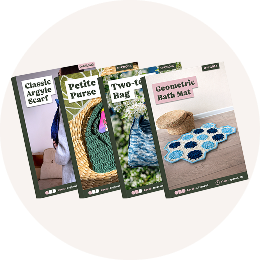
Don’t worry if your tension or gauge feels inconsistent at first - these improve with practice. The beauty of crochet patterns lies in their reliability. Once you complete a simple project like a dishcloth or scarf, you’ll feel ready to tackle more intricate designs. Hooks & Needles offers beginner-friendly options like the Classic Argyle Scarf and Granny Square Tote Bag, perfect for building your skills as you go.
Simple Projects for New Crocheters
Now that you’ve got the basics down and can read patterns, it’s time to put those skills to use with beginner-friendly projects. The trick to gaining confidence as a new crocheter is starting with simple items that reinforce the techniques you’ve learned. These projects should stick to the basics - chain, single crochet, and double crochet - without overwhelming you with tricky shaping or advanced pattern reading.
Starting small and practical not only gives you the satisfaction of completing something useful, but it also helps strengthen your skills. Each finished project builds muscle memory, improves tension consistency, and gets you ready for more advanced challenges later.
First Projects to Try
Washcloths and dishcloths are ideal for beginners. They’re small, quick to make, and forgiving if you make a mistake. Most patterns rely on single crochet stitches worked in simple rows, helping you focus on maintaining even tension and straight edges. You can often finish one in just 1–2 hours, giving you a quick win. Plus, their rectangular shape means no complicated increases or decreases, making them perfect for practicing the basics.
Coasters are another great choice, taking only 30–60 minutes to complete. These small projects let you practice basic stitches while creating something you can use right away. Circular coasters introduce you to working in rounds, while square ones keep things straightforward with simple rows. Either way, they’re a great way to build confidence.
Scarves are a classic beginner project for a reason. Their long, rectangular shape offers plenty of repetitive practice with your chosen stitch pattern. A child-sized scarf can take 4–8 hours to finish, while adult versions take a bit longer but use the same simple techniques. As you crochet, you’ll see your tension improve from one end to the other, making a scarf a rewarding way to track your progress.
Granny squares are another must-try project. These small squares teach you how to work in rounds, change colors, and create the building blocks for larger items like blankets or bags. Each square takes about 1–2 hours to complete, making them a manageable project for short crafting sessions. Plus, they open up endless possibilities for future creations.
If you’re looking for an even easier way to get started, beginner kits can take the guesswork out of gathering supplies.
Complete Beginner Kits
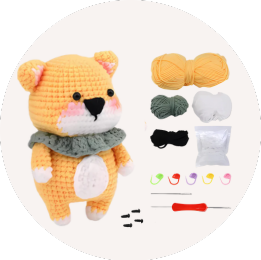
Beginner kits are a fantastic option for new crocheters because they include everything you need in one package. Instead of hunting for the right tools and yarn, these kits ensure you have all the essentials to complete your first project successfully. Hooks & Needles offers thoughtfully assembled beginner kits featuring premium yarns, exclusive patterns, and high-quality tools, all perfectly matched to work together.
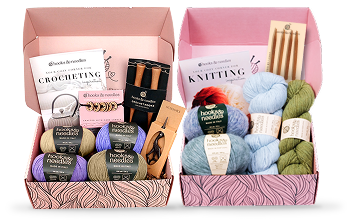
For those who want ongoing inspiration, the Monthly Hooks & Needles Box is a great choice. Each box includes hand-selected European yarns, exclusive patterns, and surprise crafting goodies, delivered right to your door. With over 225,000 boxes shipped and a glowing 4.8/5 rating, it’s helped many beginners complete their first projects with ease.
If you prefer to work on individual projects, Hooks & Needles also offers digital patterns for just $5.97 each. Beginner-friendly options like the Classic Argyle Scarf, Granny Square Tote Bag, and Petite Purse come with clear, step-by-step instructions designed to guide you through the process.
Most complete kits include everything you’ll need: the right amount and type of yarn, a properly sized hook, a tapestry needle for finishing, stitch markers to track your progress, and detailed instructions with photos or video tutorials. This all-in-one approach eliminates common beginner frustrations, like mismatched materials or missing tools, so you can focus on learning and enjoying the process.
Starting with a curated kit ensures that your materials and pattern are perfectly coordinated. You won’t have to worry about whether your yarn works with the pattern or if you’re missing a key tool. Instead, you can dive straight into learning new techniques without any unnecessary hurdles.
Whether you choose to start with a washcloth, a scarf, or a granny square, remember that every expert crocheter began with the same simple stitches. Your first project might not be flawless, but it’s the first step in a journey of creativity and skill-building that will last for years to come.
Common Problems and How to Fix Them
Once you’ve mastered the basics, it’s time to tackle some common crochet challenges that can slow your progress. These hurdles are part of the learning curve, and overcoming them is key to improving your skills. According to a 2023 survey by the Craft Yarn Council, over 60% of beginners reported "uneven tension" and "losing stitch count" as their biggest frustrations during their first month of crocheting. Similarly, nearly 70% struggled with finishing projects and securely weaving in ends.
The good news? Most of these issues are easy to address with a little practice and the right techniques. Let’s break down these common mistakes and how to fix them so you can keep your projects on track.
Fixing Common Beginner Mistakes
Uneven tension is one of the most frequent problems for new crocheters. If your rows aren’t straight, your fabric feels inconsistent, or your project looks wavy or lopsided, tension is likely the culprit. This happens when your grip on the yarn or hook is too tight or your hand movements are inconsistent.
To improve, start by relaxing your grip. Use a medium-weight yarn paired with a 5mm (H-8) hook - these are forgiving and easier to work with. Focus on smooth, consistent hand motions and take breaks if your hands feel tense. Simple projects like scarves or washcloths are great for practicing, as they let you see your progress while building confidence. If your finished piece has minor tension issues, gentle blocking - wetting and reshaping the fabric while it dries - can help even things out.
Losing or gaining stitches is another common issue, often causing unintended gaps, narrowing, or widening in your project. This happens when you lose track of where to place your hook, skip stitches, or misidentify the first or last stitch in a row.
To avoid this, count your stitches at the end of each row and use stitch markers to mark the first and last stitches. This makes it easier to stay on track and avoid errors. Double-check your pattern to see if it requires crocheting into the top of the turning chain. If you spot a mistake, the best fix is to "frog" (undo) your work back to the error and redo that section. While it might feel frustrating at first, correcting mistakes early ensures a polished final result.
Finishing off projects can be tricky for beginners and can lead to unraveling or messy edges if not done correctly. To finish securely, leave a 6-inch tail when cutting your yarn, pull it through the final loop, and tighten gently. Use a yarn needle to weave the tail through several stitches, changing direction to lock it in place. This extra step keeps your work from unraveling and gives it a neat, polished look.
Even seasoned crocheters make mistakes and often "frog" sections of their work. The difference is that they’ve learned to spot and fix issues confidently. With practice, you’ll develop the same instincts and muscle memory to handle these challenges with ease.
Taking Care of Your Finished Projects
Once you’ve mastered these fixes, proper care will ensure your projects stand the test of time. Always start by checking the yarn label for care instructions, as different materials require different handling.
For most acrylic yarns - popular among beginners in the U.S. - machine washing on a gentle cycle with cold water and tumble drying on low heat is safe. These durable, low-maintenance fibers are ideal for everyday items like dishcloths or kids’ accessories.
Wool and specialty yarns, on the other hand, need extra care. Hand wash them in cool water with a mild detergent, gently squeeze out excess water (without wringing), and lay them flat to dry. This prevents shrinking, felting, or stretching that could ruin your project. Avoid bleach or hot water, as they can permanently damage natural fibers.
Proper storage is equally important for preserving your work. Use zippered project bags or clear plastic bins to shield items from dust, pet hair, and moisture. Keep finished pieces out of direct sunlight, which can fade colors over time. For long-term storage, opt for breathable cotton bags instead of plastic to prevent moisture buildup and mildew.
When gifting handmade items, thoughtful finishing touches can make a big difference. Ensure all yarn ends are securely woven in, and that the piece is clean and properly blocked for a polished appearance. Including a handwritten care tag with washing instructions and fiber details adds a personal touch. As Maria S. shared:
"I never finished projects before, but Hooks & Needles helped me complete my first headband!"
This sense of accomplishment is even more rewarding when you can confidently gift your creations.
Consider the recipient’s needs when choosing a project to give. For example, if someone has a wool allergy, use cotton or acrylic yarns instead. For busy parents, choose machine-washable items that don’t require special care. These small details show thoughtfulness and care in both the making and giving of your gift.
Finally, wrap your handmade item in tissue paper or a gift bag, along with the care tag, for a beautiful presentation. This extra effort highlights the love and skill behind your creation, making it a gift that will be cherished for years to come.
Continue Learning with Hooks & Needles
Now that you’ve tackled the usual beginner hurdles, it’s time to broaden your crochet skills. With the basics under your belt and troubleshooting techniques in hand, you’re ready to dive deeper into the craft. Progressing as a crocheter comes down to consistent practice, using quality materials, and having clear instructions to guide you. That’s where Hooks & Needles steps in, offering curated monthly surprises and complete project kits that take the guesswork out of your next steps. These resources build on your foundation, helping you tackle more advanced projects with confidence.
A 2024 survey by the Craft Yarn Council found that over 60% of new crocheters in the US rely on online kits or subscription boxes for learning and materials. It’s no wonder - these options simplify the process, sparing beginners from the overwhelming task of picking from endless yarns and patterns. With carefully curated selections, you can focus on refining your skills without worrying about whether you’ve chosen the right materials.
Monthly Subscription Box
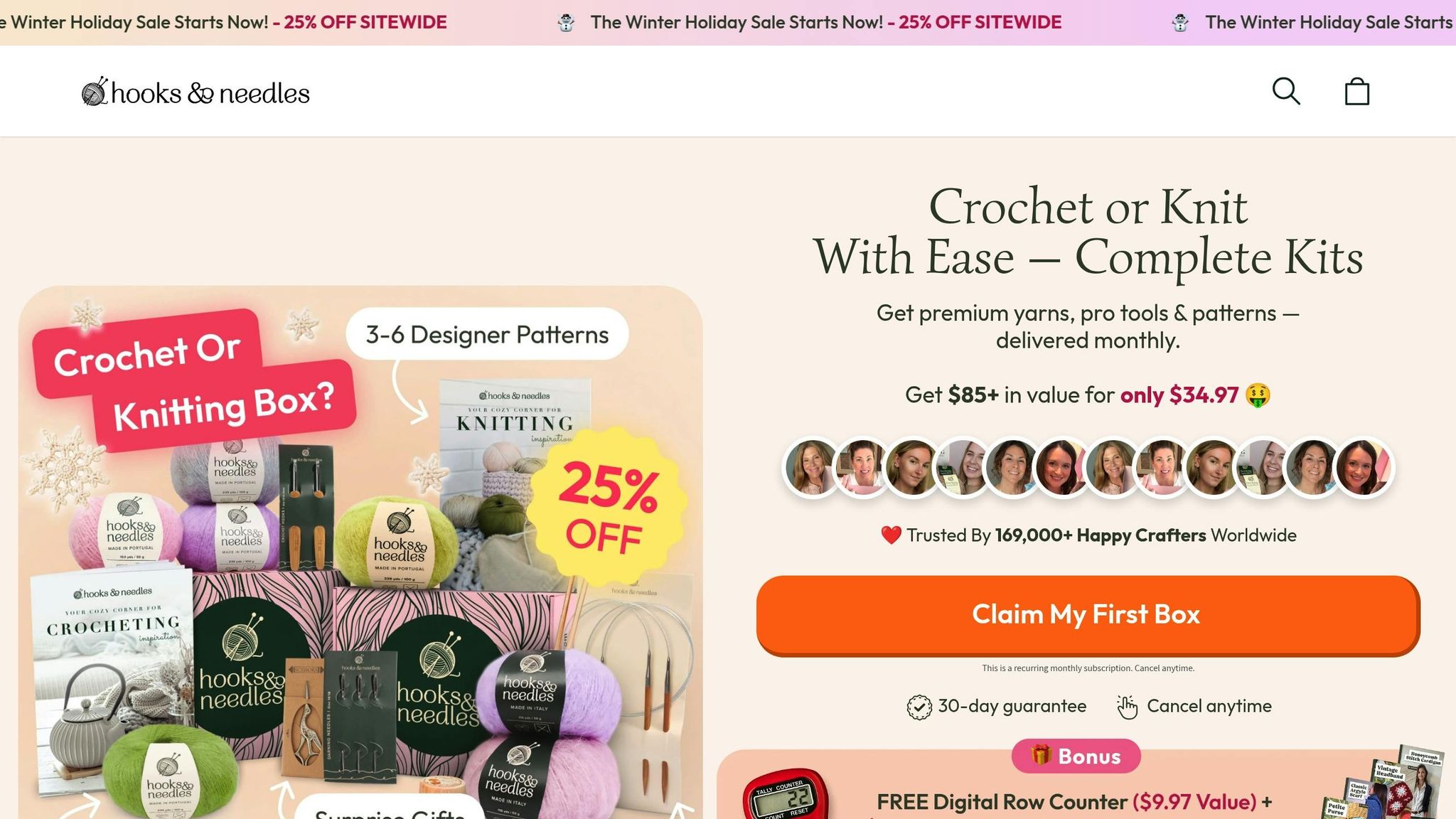
The Hooks & Needles Monthly Subscription Box brings excitement and variety to your crochet routine. Each month, you’ll receive European yarns sourced from Italy and Portugal, exclusive patterns designed just for subscribers, high-quality tools, and surprise crafting extras. At $34.97 per month, the box delivers over $120 in value, helping you build a premium collection of materials.
What sets this subscription apart is its beginner-friendly design. Patterns include step-by-step instructions written in US crochet terms and imperial measurements, making them easy to follow. Plus, these exclusive patterns aren’t available anywhere else, giving you projects that stand out from the usual beginner fare.
With over 225,000 boxes shipped and a 4.8/5 customer rating, this subscription has become a favorite among crocheters of all levels. As Maria K. shared:
"My teenage daughter and I bond over our monthly boxes. It's become our special time together."
Beyond the materials, the subscription fosters a sense of community. Sharing the experience with loved ones or connecting with fellow crocheters adds an extra layer of enjoyment to the craft.
The subscription is flexible - you can pause or cancel anytime - making it a low-risk way to explore new techniques. Each box introduces different yarn weights, textures, and colors, encouraging you to step outside your comfort zone and try something new.
Ready-Made Crochet Kits
If monthly deliveries aren’t your thing, the Ready-Made Crochet Kits are a great alternative. These kits include everything you need for a specific project - yarn, hooks, patterns, and accessories - so you can dive right in without worrying about missing tools or mismatched materials.
These kits are designed to make completing projects straightforward. No need to calculate yarn quantities, match colors, or second-guess your tools. Everything is pre-coordinated, helping beginners overcome the intimidation that often keeps them from starting new projects.
The projects in these kits often focus on practical items like scarves, dishcloths, or simple blankets. They reinforce the fundamental stitches you’ve learned while introducing new techniques at a manageable pace. This step-by-step progression ensures you stay motivated without feeling overwhelmed.
Shop Tools and Supplies
As you grow more confident, you’ll likely want to expand your toolset and try out different yarns. The Hooks & Needles online shop offers a thoughtfully chosen selection of ergonomic crochet hooks, premium yarns, and handy accessories - all designed to make your crocheting more enjoyable.
The shop’s tools are clearly labeled with US sizing (such as H-8/5mm hooks) and priced in US dollars, with fast domestic shipping. The focus is on beginner-friendly options that prioritize comfort and durability, avoiding overly complex features that could confuse new crocheters.
The yarn selection highlights natural fiber European yarns, known for their superior texture and performance compared to standard craft store options. Using these materials can elevate the look and feel of your projects, giving you polished results even as a beginner.
In addition to basic supplies, you’ll find helpful extras like stitch markers, row counters, and measuring tools. These small but essential items make tackling more complex patterns easier and less frustrating, ensuring your projects turn out beautifully.
Ready to keep growing your skills? Check out the Monthly Subscription Box for ongoing inspiration and support, or explore the Ready-Made Crochet Kits to jump into your next project with everything you need at your fingertips.
FAQs
Why should beginners use ergonomic crochet hooks?
Ergonomic crochet hooks are crafted to enhance comfort while crocheting, particularly for beginners still mastering the motions. These hooks often come with soft, cushioned grips that ease the strain on your hands and wrists, allowing you to crochet for longer stretches without discomfort.
If you're just starting out, ergonomic hooks can also make a big difference in improving control and precision, which can simplify learning basic stitches. At HooksNeedles.com, you’ll find a wide selection of ergonomic hooks and starter kits designed to help you kick off your crochet journey with ease and confidence!
What’s the best way to practice keeping your crochet tension even?
Maintaining an even tension in crochet requires practice, patience, and a few helpful techniques. Begin by holding your yarn and hook in a way that feels natural and gives you steady control. It’s a good idea to start with simple stitches, like single or double crochet, to build a consistent rhythm over time.
The tools you use can also play a big role. Make sure to choose a hook size and yarn weight that align with the pattern you’re following. If you’re not sure where to start, beginner-friendly resources and video tutorials from Hooks & Needles offer clear, step-by-step guidance. Most importantly, take your time, enjoy the process, and let practice lead the way!
What should I look for when picking yarn for my first crochet project?
When beginning your first crochet project, go for a medium-weight yarn, often labeled as worsted weight. This type of yarn is easy to handle and commonly found in stores, making it a great choice for beginners. Opt for a smooth, non-textured yarn in a light shade, as this helps you clearly see your stitches while practicing.
Natural fibers like cotton or acrylic blends are ideal for those starting out. They’re soft, durable, and forgiving for new crocheters. Steer clear of extremely thin or bulky yarns, as these can be tricky to manage. Make sure to use the hook size recommended on the yarn label for a more comfortable and enjoyable crocheting experience.