Knitting a scarf for your partner is a meaningful way to show care. This guide walks you through creating your first scarf, even if you’re completely new to knitting. From choosing soft, cozy yarn to mastering the basics like casting on and the knit stitch, you’ll learn how to craft a thoughtful gift they can use and treasure. Let’s explore how to turn simple yarn into a warm, personal gesture.
Why Make a Scarf?
A handmade scarf carries a personal touch that store-bought items can’t match. It reflects the time, effort, and thought you’ve put into every stitch. Using materials like Merino wool ensures it’s soft and comfortable, while the process itself shows dedication. Scarves are beginner-friendly, focusing on simple techniques and offering a chance to learn while creating something special.
sbb-itb-f7119e8
Materials You’ll Need
To get started, gather these essentials:
- Yarn: Bulky or worsted weight (200–300 yards)
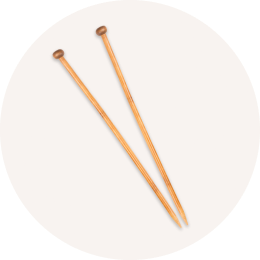
- Knitting needles: US sizes 10–15
- Tapestry needle for weaving in ends
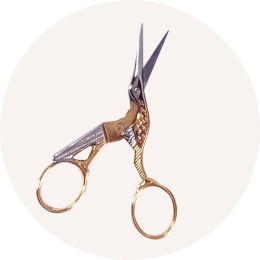
- Scissors
Chunky yarn is ideal for beginners as it’s easier to handle and speeds up the process. Choose a color your partner loves for a personal touch.
Steps to Knit Your Scarf
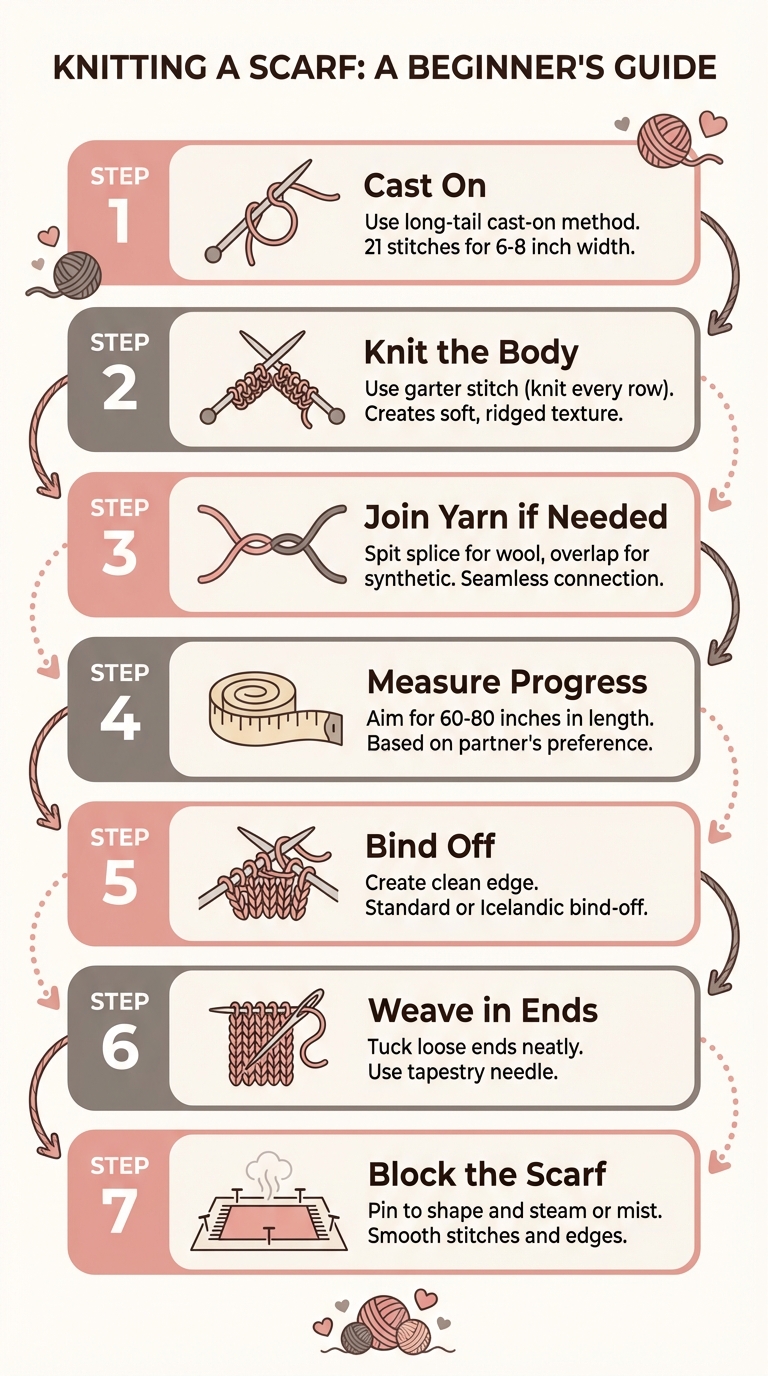
7 Steps to Knit Your First Scarf: Beginner's Guide
- Cast On: Use the long-tail cast-on method for a stretchy edge. Beginners should aim for 6–8 inches in width, which usually requires about 21 stitches with chunky yarn.
- Knit the Body: Stick to the garter stitch (knit every row). This creates a soft, ridged texture that lies flat and is easy to manage.
- Join Yarn if Needed: For wool, try the spit splice method. For synthetic yarns, overlap the old and new strands for a few stitches.
- Measure Progress: Aim for 60–80 inches in length, depending on your partner’s preference.
- Bind Off: Finish with a clean edge using a standard bind-off or the Icelandic bind-off for extra stretch.
- Weave in Ends: Use a tapestry needle to tuck loose ends neatly into the fabric.
- Block the Scarf: Pin it to shape and steam or mist it to smooth out stitches and edges.
Finishing Touches
Once complete, your scarf will be ready to gift. For a polished look, consider blocking the scarf to ensure even edges and a smooth texture. It’s the final step to make your handmade gift shine.
Ready for Your Next Project?
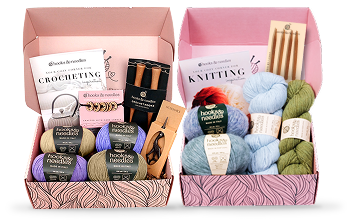
Hooks & Needles offers knitting kits, premium yarns, and a subscription box to keep your creativity flowing. Each kit includes everything you need to start your next creation. Explore their selection to find inspiration and materials for future projects.
Start your knitting journey today with Hooks & Needles. Your partner will love the care you’ve woven into every stitch.
Why Knit a Scarf for Your Partner
The Emotional Value of Handmade Gifts
A handmade scarf offers something no store-bought gift ever could: hours of your time, care, and thoughtfulness woven into every stitch. Knitting a scarf goes beyond crafting an accessory - it's about choosing the softest yarn, deciding on the perfect width, and dedicating your time to create something special for someone you care about.
Knitting requires patience and effort, often taking 5 to 10 hours to complete. This makes the scarf a deeply personal gift, tailored to your partner's comfort. Opting for materials like Merino wool or a soft wool blend ensures it feels gentle against the delicate skin around the neck. This kind of attention to detail simply can't be bought. Plus, knitting a scarf is a wonderful project for beginners, offering an approachable way to create something meaningful.
Why Knitting Works Well for Beginners
For those new to knitting, scarves are the perfect starting point. They focus on mastering four essential techniques: casting on, the knit stitch, casting off, and weaving in the ends. The straightforward rectangular shape eliminates the need for complicated shaping, making it beginner-friendly. These simple steps not only build confidence but also add a heartfelt touch to your gift.
The repetitive nature of knitting helps develop muscle memory quickly, making each row feel more natural over time. Using bulky or chunky yarn can make the process even easier, allowing you to see your stitches clearly and fix any mistakes before they become an issue. Many beginners stick with the Garter Stitch - knitting every row - which creates a tidy, reversible fabric that's both functional and attractive.
Time and Skill Level Required
Creating a scarf typically takes 5 to 10 hours, depending on the yarn you choose and how quickly you knit. This makes it a manageable weekend project, perfect for those who want to create something meaningful without a long-term commitment. A standard adult scarf usually measures between 60 and 80 inches in length and 8 to 10 inches in width, offering a substantial yet achievable project.
No prior knitting experience is needed. With a willingness to learn the basic knit stitch and follow simple instructions, you can create a thoughtful and practical gift. The balance of minimal skill requirements and a reasonable time frame makes knitting a scarf an ideal way to show your partner just how much they mean to you.
Gathering Materials from Hooks & Needles
Materials Checklist
To get started, you'll need a few basics: bulky or worsted weight yarn (200–300 yards), knitting needles in sizes US 10-15, a pair of scissors, and a tapestry needle to weave in any loose ends. For beginners, straight needles made of wood, bamboo, or plastic are easier to handle than metal ones, offering better control as you learn.
Hooks & Needles makes it simple by providing all these essentials in one place. From premium yarns to complete knitting kits, everything you need is at your fingertips, ensuring high-quality materials for your project.
Choosing the Right Yarn for Your Partner
Selecting the right yarn is all about comfort and personal preference. Since scarves rest against the neck, a sensitive area, soft fibers like Merino wool or wool-acrylic blends are great choices. For extra warmth, go with chunky or bulky wool. If you're aiming for a lighter, decorative scarf, a medium or light-weight yarn works well.
When it comes to color, think about your partner's wardrobe and style. A scarf in a color they love is more likely to become a favorite accessory. Chunky or super chunky yarns are particularly beginner-friendly because they make stitches easy to see and speed up the knitting process. To avoid running out of yarn mid-project, buy at least one extra skein beyond your estimate.
Use the guide below to figure out how much yarn you'll need based on your desired scarf length.
Yarn Length and Scarf Size Guide
The amount of yarn required depends on the scarf's length and the yarn's weight. This guide will help you pair yarn weight with scarf length:
| Scarf Length | Yarn Weight | Estimated Yardage Needed | Recommended Needle Size |
|---|---|---|---|
| 60 inches | Bulky / Super Chunky | 200–250 yards | US 11–15 (8mm–10mm) |
| 72 inches | Bulky / Super Chunky | 250–300 yards | US 11–15 (8mm–10mm) |
| 60 inches | Worsted (Medium) | 300–350 yards | US 7–9 (4.5mm–5.5mm) |
| 72 inches | Worsted (Medium) | 350–450 yards | US 7–9 (4.5mm–5.5mm) |
As a general tip, plan on using about 1 skein of yarn for every 2 feet of scarf length. Always check the yarn label for the recommended needle size - adjusting by 0.5mm can help you fine-tune your tension for the perfect finish.
Getting Started: Casting On Stitches
How to Cast On for Beginners
Casting on is the first step in knitting your scarf, and the Long Tail Cast On is a great choice for beginners. This method creates a clean, stretchy edge that works well for scarves. To estimate how much yarn you'll need for the tail, wrap the yarn around your needle once for each stitch you plan to cast on, then leave a few extra inches to be safe.
The number of stitches you'll cast on depends on the width you want for your scarf and the type of yarn you're using. For instance, if you're using chunky yarn that gives about 3 stitches per inch, casting on around 21 stitches will give you a scarf about 7 inches wide. As Jennifer Dickerson from Fiber Flux explains:
A scarf is a wonderful first project and this one is as easy as it gets. Worked up in the knit stitch, this project will walk you through casting on, the knit stitch, binding off, and weaving in ends!
A common challenge for beginners is casting on too tightly, which can make it hard to knit the first row. If you notice your stitches are too snug, try loosening your grip or use a slightly larger needle just for the cast-on row. After casting on, knit across the first row to create a firm base before continuing with your pattern.
Setting the Scarf Width
The number of stitches you cast on determines your scarf's width. For a beginner-friendly project, a width of 6 to 8 inches is a good starting point - wide enough to be cozy without feeling overwhelming. To get an idea of the final width, spread the cast-on stitches out on your needle. Keep in mind that the finished scarf will usually be 1 to 2 inches wider than the cast-on edge.
If you want a more accurate approach, use this simple formula:
Stitches per inch × Desired width = Total stitches
Check the yarn label for gauge details and recommended needle sizes to ensure your tension is just right.
Knitting the Scarf Body
Using the Garter Stitch
The garter stitch is a fantastic choice for beginners because it’s simple - just knit every stitch in every row. This approach creates a soft, ridged texture that looks the same on both sides, making it ideal for scarves. Unlike other stitches that tend to curl at the edges, the garter stitch naturally lies flat, so you won’t have to worry about your scarf rolling up.
As you knit, try to keep your hands relaxed. Anne, the founder of Flax & Twine, offers this advice:
When knitting, make sure you keep your tension even, not too loose and not too tight. Keep your hands relaxed...
If your stitches feel too tight, the fabric can become stiff. On the other hand, loose stitches may lead to uneven rows. If you notice tightness in your work, try loosening your grip on the yarn or consider switching to a slightly larger needle size - moving from 5mm to 5.5mm can make a noticeable difference. The garter stitch’s ridged texture also traps air, adding warmth to the scarf - something your partner will surely appreciate on chilly days.
For clean, professional-looking edges, slip the first stitch of every row as if to knit without working it. This technique creates a neat selvedge edge. It’s also a good idea to count your stitches every so often to make sure you haven’t accidentally added or dropped any. Keeping an eye on your stitch count will ensure your scarf maintains a consistent width. As you progress, you’ll also need to learn how to join new yarn without disrupting your work.
Joining Yarn Mid-Project
Once you’re comfortable with the basics, knowing how to join yarn seamlessly becomes essential. When your first ball of yarn runs out, there are a couple of methods to consider, depending on the type of yarn you’re using.
For animal fibers like wool or alpaca, the spit splice method is an excellent choice for a knot-free join. Start by unraveling 3 to 4 inches of the plies from both the old and new yarn ends. Trim away half the plies from each strand, dampen the ends, and overlap them. Then, rub them vigorously between your palms. The heat and friction will felt the fibers together, creating a smooth, invisible join.
If you’re working with synthetic or cotton yarns, you can knit a few stitches using both the old and new strands together before continuing with the new yarn. You can weave in the loose ends later to keep everything tidy.
Measuring Your Progress
To measure your scarf’s length, lay it flat on a surface without stretching it, and use a tape measure. Most scarves fall within the 60 to 80-inch range, but a good rule of thumb is to knit until the scarf reaches from your partner’s chin to the floor when held vertically.
As you work toward the desired length, you’ll find that practice makes the process smoother. According to Sheep and Stitch:
Stitch by stitch and row by row, muscle memory will help your hands 'remember' the motions of knitting.
The more you knit, the more natural your movements will feel, and your tension will become more consistent. Every inch you add to the scarf reflects your effort and care, resulting in an even, polished fabric. This thoughtful project will not only keep your partner warm but also show how much you’ve poured into creating something meaningful.
Binding Off and Finishing Touches
Giving your handcrafted scarf a neat finish is the final step in turning it into a gift that’s sure to be treasured.
How to Bind Off Stitches
Once your scarf reaches the desired length, it’s time to bind off. Start by knitting two stitches. Then, pass the first stitch over the second. Continue this process until only one stitch remains, and pull the yarn tail through to secure it.
For garter stitch scarves, the Icelandic bind-off is a great option for a smooth, rounded edge. This method creates an edge that’s about 10% to 15% stretchier than a standard bind-off, which helps avoid any unwanted flaring. To try this technique, knit one stitch and slip it back to the left needle purlwise. Next, knit the second stitch on the left needle while keeping the right needle in the slipped stitch. Pull the yarn through and drop both loops off the left needle. Repeat these steps across the row for a polished finish.
If you find the bind-off edge feels tight, switch to a needle that’s one or two sizes larger than the one used for the scarf body. This creates extra slack, allowing the edge to drape as softly as the rest of your work. Be sure to leave at least a 6-inch yarn tail before cutting, so you have enough to weave in the ends securely.
Once the binding off is complete, it’s time to take care of those loose yarn tails.
Weaving in Loose Ends
To give your scarf a tidy appearance, hide any yarn tails left from the cast-on edge, bind-off edge, or places where you added a new ball of yarn. Using a tapestry or darning needle, thread each yarn tail through the stitches, following the natural path of the fabric to keep it discreet.
For added security, split the yarn with your needle and weave it about 2 inches forward, then back again to lock it in place. After weaving, trim any excess yarn for a clean and seamless finish.
Blocking the Scarf for a Finished Look
With your stitches secure and loose ends tucked away, the final step is blocking. This process helps shape your scarf and gives it a professional, polished appearance.
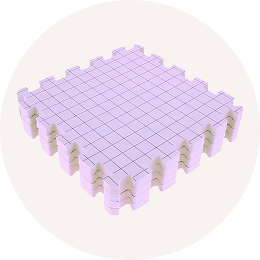
To block your scarf, lay it on a soft surface like a blocking mat, ironing board, or towel. Use rust-proof or standard pins to hold it in place, ensuring the edges are straight and the width is even throughout.
For the steaming method, pin the scarf to the desired shape and hover a steam iron above the fabric - don’t press the iron directly onto the scarf. The steam will relax the fibers without flattening the stitches or altering the texture. Alternatively, you can mist the pinned scarf with water and let it air dry completely. If you’re working with non-bulky yarns, soaking the scarf in tepid water for about 30 minutes is another option. After soaking, gently squeeze out excess water (avoid twisting), pin the scarf into shape, and let it dry fully.
Though blocking takes a bit of time, the results are worth it. Your scarf will have crisp edges, a smooth texture, and a professional finish - perfect for gifting. Using high-quality tools and materials, like those available from Hooks & Needles, can help make every step of the process enjoyable and rewarding.
Hooks & Needles Kits and Tools for Your Next Project
Finished your scarf? It’s time to dive into something new. Whether you’re looking to expand your skills or just enjoy the process of creating, these resources from Hooks & Needles will help fuel your next project.
Ready-to-Start Knitting Kits
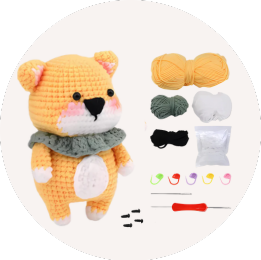
If you love the ease of having everything you need in one place, these all-in-one knitting kits are perfect. Each kit from Hooks & Needles comes with yarn, a pattern, and essential tools like needles and sewing needles, making it simple to start and finish your project. Designed for all skill levels, these kits let you focus on the fun of knitting without worrying about gathering supplies. Whether you’re planning to craft a cozy hat, warm mittens, or a scarf in a new style, these kits have you covered.
Premium Yarns and Accessories
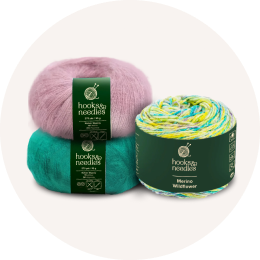
Building your collection of yarns and tools has never been easier. Hooks & Needles offers a broad range of high-quality yarns in various weights and textures, along with knitting needles and other accessories for any project. For beginners, chunky and super chunky yarns are especially helpful - they make stitches easier to see and mistakes quicker to fix. Explore the collection to mix fibers, experiment with colors, and find the perfect tools for your next creation.
The Hooks & Needles Subscription Box
Stay inspired with the Hooks & Needles Subscription Box. Each month, you’ll receive curated yarns, exclusive patterns, step-by-step tutorials, and surprise gifts delivered to your door. With a value of over $120, the box is available for just $34.97/month and can be canceled anytime. It’s a convenient way to discover new materials and project ideas without the hassle of searching for them yourself. Keep your creative energy flowing by checking out the Hooks & Needles Subscription Box to see what’s included.
FAQs
What’s the best yarn for beginners to knit their first scarf?
For your first scarf, go with a worsted-weight (medium) or bulky yarn made from wool or a wool-blend. These materials are ideal for beginners, offering ease of use and a cozy, polished finish.
- Worsted or bulky yarn is simpler to handle and works up quicker than thinner options, which makes it great for those just starting out.
- Wool or wool-blends bring warmth, softness, and excellent stitch definition, giving your scarf a refined appearance.
- Match worsted-weight yarn with US size 6–9 needles or bulky yarn with US size 9–11 needles for a smooth, manageable knitting process.
These choices ensure your scarf will be not only practical but also a meaningful and heartfelt gift for your partner.
What’s the best way to join a new ball of yarn without leaving a knot?
To join a new ball of yarn without leaving noticeable knots, try the double-stitch method. This approach blends the yarn seamlessly into your project and maintains a clean, consistent look. Here’s how you can do it:
- Complete the last stitch with your current yarn, leaving the working yarn on the needle.
- Align the end of the new yarn alongside the old one, ready to work with both strands together.
- Knit the next stitch using both yarns at once. This creates a reinforced, sturdy double stitch.
- After completing the double stitch, drop the old yarn and continue knitting with the new yarn only.
- On the following row, treat the double stitch as a single stitch and knit it as you normally would.
To achieve a tidy edge, try placing the double stitch near the edge of your work. This method keeps the texture of your scarf consistent while giving it a polished and professional appearance.
Why should I block a knitted scarf before giving it as a gift?
Blocking a knitted scarf is the final touch that makes all the difference. It evens out the stitches, smooths the fabric, and ensures the scarf holds its intended shape and size. This step also improves the drape and softness of the yarn, giving your work a refined, polished appearance. Beyond aesthetics, blocking helps the scarf keep its shape after washing, making it a lasting and thoughtful gift.