Quick Summary
This article guides new knitters through the first three months of a knitting subscription for beginners. It explains the learning progression, key skills introduced, and how to build confidence in your beginner knitting journey.
Starting Your Knitting Subscription: Navigating the First Steps
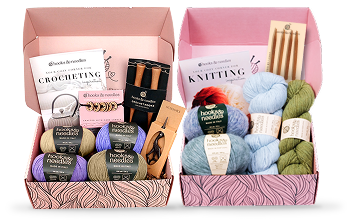
Beginning a knitting subscription for beginners can feel both exciting and overwhelming. Many new knitters wonder what to expect as they unwrap their first shipment and open the accompanying instructions. This early phase is crucial to establishing clear understanding, building confidence, and avoiding common frustrations that often lead to unfinished projects. A well-structured subscription guides learners gently, introducing essential skills and concepts in manageable increments.
For those embarking on this beginner knitting journey, clarity about the learning path helps reduce uncertainty. Early months focus on familiarizing you with the tools of the trade—knitting needles, yarn types, and basic stitches—while gradually introducing you to the rhythms of knitting projects. This foundational period is designed to set you up for success in more complex patterns later.
With a calm, step-by-step approach, knit subscription services prioritize consistent progress over rushing. Understanding what skills you will learn and how projects will build on each other allows you to stay motivated and enjoy the crafting process.
What You’ll Learn in Months 1–3 of a Knitting Subscription for Beginners
The first three months of a knitting subscription for beginners typically focus on mastering foundational skills. Month one often introduces the basic knit stitch, understanding knitting needles sizes, and selecting appropriate yarn weights. Learning to cast on, knit rows, and bind off forms the core. Early projects might include simple scarves or dishcloths to practice tension and gauge—two key terms meaning stitch tightness and stitch count per inch respectively.
Month two usually builds upon these basics by introducing the purl stitch, enabling knitters to create ribbing and more textured patterns. This phase also covers reading simple knitting patterns, recognizing abbreviations, and managing yarn tension for consistent results. The focus remains on developing muscle memory and confidence with hand movements.
By month three, you might start combining knit and purl stitches in straightforward patterns such as seed stitch or garter stitch variations. Some subscriptions introduce slip stitches or simple increases and decreases, expanding your skills to create shaping. Learners also begin to understand how to troubleshoot common issues like dropped stitches or uneven edges. The gradual increase in complexity ensures steady progress without overwhelming.
Common Mistakes and How to Fix Them
Early knitting projects often face challenges like inconsistent tension, dropped stitches, or confusion between knit and purl stitches. Uneven edges or stitches can result from uneven yarn tension or incorrect needle handling. Recognizing these issues early is part of the learning curve.
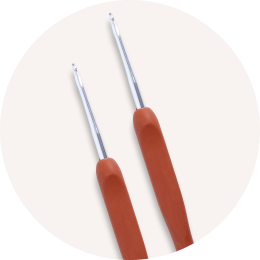
Fixing dropped stitches involves using a crochet hook or knitting needle to pick the stitch back up, which is a valuable skill introduced in beginner tutorials. For tension problems, consciously relaxing your hands and practicing uniform yarn feeding will help. Remember, mistakes are natural and provide opportunities to learn rather than reasons to stop.
Pro Tip: Keep a Knitting Journal
Maintaining a simple knitting journal during your beginner knitting journey can clarify progress and challenges. Note the yarn type, needle sizes, stitch counts, and any difficulties encountered with each project. This record helps identify patterns in mistakes and track improvements over time. It also makes future projects more approachable as you build a personal reference.
We'd love to craft with you.
Your crafting journey starts here. Get premium materials, exclusive designs, and video tutorials. Join a welcoming community and receive free patterns with your first order.
Cancel anytime, no commitment.

Building Confidence Through Step-by-Step Learning
The progression in a knitting subscription for beginners is designed to promote steady confidence. Each project consolidates skills learned previously, making the learner feel accomplished and ready for new challenges. This incremental approach reduces overwhelm and fosters a satisfying rhythm.
Alongside practical skills, understanding key terminology such as gauge—the number of stitches per inch—and tension—the tightness of your stitches—helps knitters communicate effectively with patterns and fellow crafters. These terms may seem technical at first, but they become second nature with practice and clear instruction.
Subscriptions that include video tutorials, written patterns, and community support add further clarity. These resources allow knitters to learn at their own pace, revisit difficult steps, and receive encouragement. This triad of guidance helps turn a simple knitting subscription into a comprehensive learning system.
Choosing Yarn and Needles in Your Early Projects
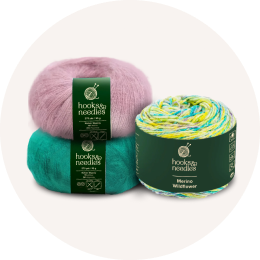
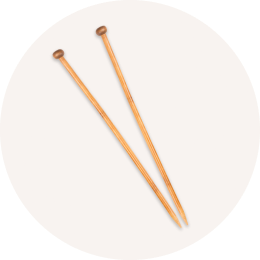
Selecting the right yarn and needle sizes is foundational in a beginner knitting journey. Most knitting subscriptions provide recommended yarn weights—often worsted or DK weight—and needle sizes that match the yarn to ensure stitches are neither too tight nor too loose. Using the suggested materials simplifies gauge matching and project success.
Yarn weights refer to the thickness of the yarn strand, influencing the finished fabric’s texture and drape. Needle sizes correspond with yarn weight; using needles that are too small or large can alter tension and project size. Early projects in a knitting subscription often focus on these basic pairings to establish familiarity before experimenting.
Understanding these materials helps knitters make informed choices later, whether substituting yarns or selecting needles for new patterns. This knowledge also enhances appreciation of knitting as a craft with technical and creative dimensions.
Closing Thoughts
The first three months of a knitting subscription for beginners mark a transformative period where foundational skills develop into creative confidence. By focusing on manageable projects, clear terminology, and practical skills like casting on, knitting, purling, and binding off, knitters build a solid base for future work.
Challenges like tension control and stitch consistency are common but surmountable with patient practice and effective guidance. Embracing these learning opportunities cultivates both skill and enjoyment. The calm, steady learning path offered by a knitting subscription fosters clarity and reduces frustration.
Whether you choose Hooks & Needles or another trusted source, approaching your beginner knitting journey with clarity and confidence ensures a rewarding experience. Explore our Learning System and Start Here page for more resources to support your progress.
FAQ
What basic skills will I learn in the first month of a knitting subscription?
In the first month, you'll learn essential skills such as casting on, the knit stitch, binding off, and understanding needle sizes and yarn weights. These basics form the foundation for all knitting projects.
How can I fix dropped stitches as a beginner?
Dropped stitches can be fixed by carefully using a crochet hook or knitting needle to pick the stitch back up through the loops above it. Many subscriptions include tutorials on this important skill to maintain your project's integrity.
What does "gauge" mean, and why is it important?
Gauge refers to the number of stitches and rows per inch in a knitted fabric. Matching gauge ensures your finished project has the correct size and fit as intended by the pattern.
Can I substitute yarns in my knitting subscription projects?
While substitutions are possible, it's best to use yarns with similar weight and fiber content to maintain the project's size, texture, and drape. Your subscription's guidance helps you choose compatible yarns.
How does a knitting subscription support my ongoing learning?
A knitting subscription provides structured lessons, curated materials, project ideas, and community support, helping you progress step by step with clarity and confidence throughout your beginner knitting journey.