Quick Summary
You are comparing two or three subscription boxes and the only figure you can actually compare is the monthly price. By the end of this you will have four specific things to check on every listing — the yarn spec, the pattern format, the tool list and the terms — plus a checklist you can run down before you hand over a card number. If you have ever opened a craft box and thought "I have no idea what to make with this," you are the person this was written for.
The first box lands and inside there are 300 metres of aran-weight acrylic in two colours and a pattern for a textured cowl. The pattern calls for a 5.5 mm hook. There is no hook in the box. The gauge line says "16 stitches per 10 cm" with no row count, and the abbreviations are US terms, which you find out three rows in when your single crochet fabric turns out flatter than the photo.
So you buy a hook, guess at the tension, and finish with a cowl 11 cm narrower than the finished measurements — having run out of yarn nine rows early. Nothing in that story was caused by the box being expensive. It was caused by four pieces of information that were never on the product page, and those four things are what you compare instead of price.
1. The Yarn: How to Choose a Yarn Subscription by Weight and Fiber
Look for a listing that states weight category, grams and metres, and fiber percentages. "Premium hand-selected yarn" tells you nothing. "100 g / 200 m worsted, 80% acrylic / 20% wool" tells you the hook size you will need, roughly how far the skein goes, and whether the finished thing can go in a washing machine.
Yarn weight is the thickness category — lace, fingering, sport, DK, worsted or aran, chunky, super bulky. It sets your hook or needle size and therefore your gauge, which is the number of stitches and rows a fixed measurement of fabric contains. Get the weight wrong and every measurement in the pattern drifts.
The mistake happens at the substitution stage. Two skeins can both say "worsted" and still differ by 40 metres per 100 g, which is the difference between finishing a hat and stopping 2 cm short of the crown. Compare metres per 100 g, not the category label.
Fiber decides what happens after you finish
Wool blocks — wet it, pin it to shape, let it dry, and the stitches even out. Acrylic does not block in the same way; it holds whatever shape it was crocheted in. Cotton is heavier, has almost no stretch and drops noticeably in a garment. If a box only ever sends acrylic, that is not a flaw, but it does mean lace and shawls will never quite behave.
2. How the Pattern Is Written
Open a sample pattern before you subscribe. Most boxes will show you one, and it is the single most revealing thing on the whole site. You are checking whether it was written for someone who has not already made the thing once.
- Find the gauge line. It should give stitches and rows over a stated square, usually 10 cm. Stitches only means you can match width and still be wrong on length.
- Find the abbreviation key. Crochet patterns come in US and UK terminology, and US single crochet is UK double crochet. A pattern with no stated convention will cost you a whole panel.
- Find the finished measurements. Without them you cannot tell whether your swatch is off before you have made 40 rows.
- Find the finishing instructions. Seaming, weaving in ends, blocking. Patterns that stop at the last row are why projects sit in bags.
Knitters should also check whether charts are included and whether they are readable — a chart printed at 60% size with grey gridlines is worse than no chart. Written-out row instructions alongside the chart is the format that suits most people learning to read them.
Video support changes the calculation too. If the box links a filmed walkthrough for the one awkward technique each month, a slightly thinner written pattern becomes much less of a problem, which is the argument made in this look at how video tutorials in a knitting or crochet subscription build skills faster.
3. What Comes in the Box, and What Does Not
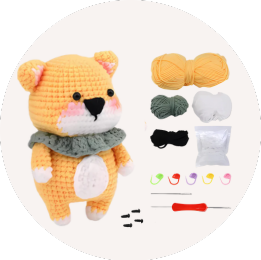
Plenty of subscriptions are yarn plus pattern, full stop. That is a perfectly good product if you already own hooks from 2 mm to 8 mm and a tin of stitch markers. It is a poor product if this is your first month of crocheting and you own one 4 mm hook from a variety pack.
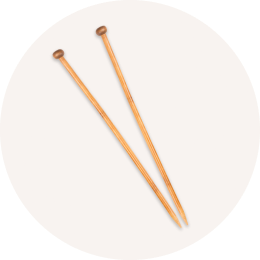
So read the inclusions literally. "Everything you need" on a landing page frequently means everything except the hook, the tapestry needle for weaving in ends, the stitch markers, and the blocking pins. Ask specifically whether tools are included every month or once at signup.
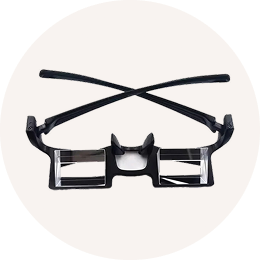
Lighting is the item nobody lists and everybody eventually buys — dark yarn plus a evening sofa is how stitches get miscounted, and a  Crocheting/Knitting Neck Lamp solves it for less than the yarn you would otherwise frog.
The crochet kit subscription checklist
4. The Terms, the Cadence and the Pile
Match the project size to your actual hours, not your intended hours. A 40 g cotton dishcloth is two evenings. A DK-weight shawl at 250 stitches a row is six weeks for most people, and box five arrives whether or not box four is finished.
That is how the pile starts, and the pile is what makes people cancel. Three unopened boxes in a corner feels like debt rather than a hobby. A subscription that lets you skip a month costs nothing to skip and everything to not be able to.
Check the practical terms in this order: skip, pause, cancel, and what happens to a box already in transit. Delivery consistency matters as much as the policy wording, and this breakdown of what reliable monthly shipping actually looks like is worth reading before you commit to a longer plan.
One habit worth adopting from the first box: photograph the ball band before you wind the yarn. Dye lot, fiber and metrage all live on that scrap of paper, and you will want it in four months when you need one more skein.
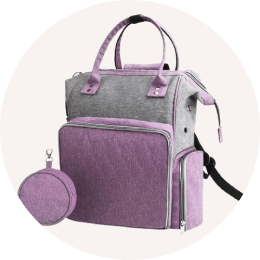
Storage is the unglamorous last factor. Yarn arriving monthly needs somewhere that is not the floor, and keeping each month's yarn, pattern and hooks together in something like a  Knitting Bag Yarn Storage is what makes a half-finished project easy to pick back up.
Ready to start a project you will actually finish?
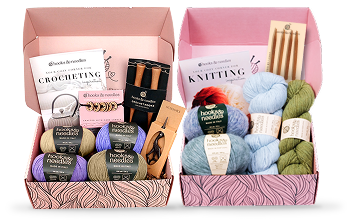
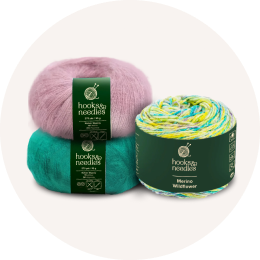
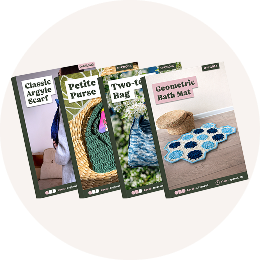
Hooks & Needles delivers a complete yarn project to your door every month — coordinated yarn, the right hooks or needles, and a pattern written to be followed rather than decoded. Pause or cancel whenever you like.
Use LEARN20 for 20% off your first box

Where To Go From Here
Take the two boxes you are torn between and run both down the checklist above. In practice one of them will fail on the sample pattern or the tool list within five minutes, and the decision makes itself without you comparing monthly figures at all.
Then commit to three months rather than twelve. Three boxes is enough to learn whether the yarn weight suits your hands and whether the pattern style matches how you like to be taught, and short enough that a bad fit costs very little.
If you are still narrowing the field, this walk-through of choosing a yarn subscription as a beginner without getting overwhelmed covers the decision from the other direction — starting from your skill level rather than from the listings.
FAQ
I already own hooks in every size. Should I still pay for a box that includes them?
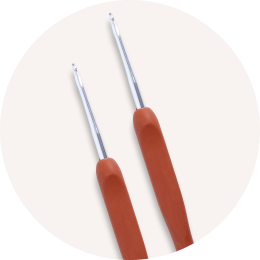
Usually not, unless the included hooks are a material upgrade on what you have — an ergonomic handle is genuinely easier on your wrist over a long project. What matters more is whether the pattern specifies its hook size clearly, so you can pull the right one from your own set. Boxes that include tools every single month tend to leave you with six 4 mm hooks by winter.
Neither box lists yarn metrage. How do I compare them?
Email and ask for the weight category, grams and metres of a recent month, and how they answer tells you as much as the numbers do. A clear reply within a day suggests the pattern will also be clear. If they will not give figures, assume the yarn is the part of the box they are least confident about and weight your decision accordingly.
The box sends patterns for both crochet and knitting. Will half of it be wasted on me?
Only if the yarn is chosen for the craft you do not do. Check whether each month's yarn suits both — a DK or worsted wool works either way, while a slippery 4-ply chosen for lace knitting is awkward on a hook. Many people use the second pattern as a low-stakes reason to try the other craft with yarn they have already paid for.