Quick Summary
Picking the right yarn can feel like a maze of confusing options, leaving your knitting or crochet projects less than perfect. By the end of this article, you’ll have clear insight into five essential yarn types that elevate your work, including fiber content, weight, and ideal uses. If you want to upgrade your yarn stash with confidence and add a premium touch to your projects, this is for you.
Why Choosing the Right Yarn Transforms Your Projects
If you’ve ever been frustrated by a finished knit or crochet piece that didn’t quite live up to your vision, the yarn is often the silent culprit. Yarn choice impacts everything from stitch definition and drape to durability and comfort. Without clarity on fibers, weight, and quality, even the best patterns can fall flat. This is especially true when upgrading from basic acrylic to premium natural fibers, which bring warmth, softness, and longevity.
Understanding yarn types helps you move beyond generic recommendations and tailor your choices to your project’s needs. For example, selecting the right wool or cotton can make a breathable summer top or a cozy winter scarf feel like an extension of your personality. When you grasp what fiber and weight do for your project, you gain confidence that your next piece will come out exactly how you imagine.
The 5 Must-Have Yarns for Knitting and Crochet Projects
Let’s dive into five yarn types every crafter should consider when upgrading their stash. These aren’t just random picks — they represent different fiber families, weights, and uses that cover a broad range of projects, from wearable garments to amigurumi.
| Yarn Type | Fiber | Weight | Best Uses | Sourcing Notes |
|---|---|---|---|---|
| Merino Wool | Natural - Wool from Merino sheep | Fingering to Worsted | Garments, accessories, babywear | Italian mills known for soft, fine Merino yarns |
| Organic Cotton | Natural - Grown without chemicals | Sport to DK | Summer tops, dishcloths, amigurumi | Portuguese mills with sustainable practices |
| Alpaca | Natural - Soft animal fiber | Worsted to Bulky | Warm sweaters, scarves, hats | South American sourced, often blended for strength |
| Silk Blends | Natural - Silk mixed with wool or cotton | Lace to DK | Luxury shawls, elegant garments | Italian and Portuguese mills offering artisan blends |
| Recycled Yarn | Varied - Reclaimed fibers | Varied | Eco-friendly projects, casual wear | Ethically sourced, often certified sustainable |
If you want to understand yarn weights better—how fingering differs from bulky, and what that means for needle size and gauge—you can check out our detailed yarn weights guide. It will help you match yarn with your pattern and avoid surprises in finished size or texture.
Common Mistakes When Choosing Yarn
One common mistake is buying yarn solely based on color or price without considering fiber content or weight. For example, using a superwash wool in a project meant for natural wool’s elasticity may cause stitch definition or fit issues. Another pitfall is ignoring the yarn’s intended use; a cotton yarn perfect for summer wear can feel heavy and stiff if used for a baby blanket.
Not checking the recommended needle or hook size for your yarn weight can also throw off gauge and texture. Gauge is simply how many stitches and rows fit into a set measurement and affects how your project fits and feels. Using the wrong needle size can make your fabric too tight or too loose, leading to frustration.
Pro Tip: Think Natural Fiber First
Start your stash upgrade by prioritizing natural fibers like wool, cotton, alpaca, and silk. These fibers breathe better, feel softer, and wear longer than most synthetics. If you’re curious about the differences, our natural fiber vs acrylic yarn article explains the pros and cons with honest insight. When you invest in premium yarn from trusted mills, you get transparency on quality and sustainability that benefits your crafting and the planet.
How to Pick the Best Yarn for Your Next Project
Start by identifying your project’s purpose: Does it need warmth, softness, easy care, or durability? Next, consider fiber properties. Wool offers elasticity and warmth, cotton provides breathability and stitch clarity, and silk blends add shine and drape. Weight impacts how bulky or delicate your fabric will be.
Matching yarn weight with the recommended needle or hook size is crucial. For instance, a worsted weight yarn pairs well with size 7-9 needles (4.5-5.5 mm), while a fingering weight calls for smaller needles, usually size 1-3 (2.25-3.25 mm). Gauge swatching—knitting or crocheting a small sample—helps ensure your tension matches the pattern’s requirements. This saves you from ending up with a project that’s too large or small.
If you plan on making amigurumi or soft toys, choosing a smooth, tightly spun yarn helps stitches pop and holds shape well. For that, check out our post on the best yarn types for amigurumi to get expert recommendations.
Common Mistakes + Fixes
Many crafters skip swatching, which often leads to size or fit problems. Always knit or crochet a gauge swatch in the stitch pattern your project uses. If your swatch comes out too large, try needles or hooks one size smaller; if too small, go one size larger. Another mistake is not considering yarn care instructions—some natural fibers require hand washing or gentle cycles, so check labels to avoid shrinking or felting.
Ready to make your next project this good?
Mrs. Quilty delivers a complete quilting project to your door every month — pre-coordinated fabric, tools, pattern, and video guidance included. Over 65,000 quilters have started their journey here. Box 1 is designed for exactly where you are right now.
Use LEARN20 for 20% off your first box

Where to Source Premium Yarns with Transparency
Knowing where your yarn comes from adds another layer of confidence to your craft. Italian and Portuguese mills are renowned for producing high-quality, natural-fiber yarns with ethical sourcing and environmental awareness. Italian mills specialize in fine Merino and silk blends, prized for softness and durability. Meanwhile, Portuguese mills often focus on organic cotton and eco-friendly processes.
Choosing yarns from these mills means you’re investing in fibers that have been carefully processed and tested for quality. This transparency reassures you that your projects start with the best materials, reducing surprises like pilling, splitting, or uneven dyeing. If you want to dive deeper into fiber sourcing and yarn quality, exploring mill histories and certifications can be eye-opening.
Closing Thoughts
Upgrading your yarn stash is about more than just buying pretty skeins—it’s about selecting fibers and weights that bring your projects to life exactly as you envision. By knowing the five must-have yarn types and how to choose based on project needs, you can craft with greater confidence and satisfaction.
Natural fibers like Merino wool, organic cotton, alpaca, silk blends, and recycled yarn offer versatility, comfort, and sustainability. Pairing the right yarn with proper gauge swatches and care ensures your finished work looks professional and lasts. This clarity simplifies your crafting decisions and helps you enjoy every stitch.
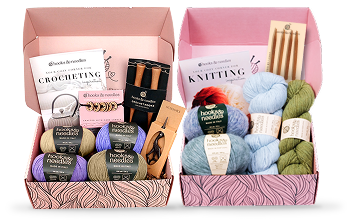
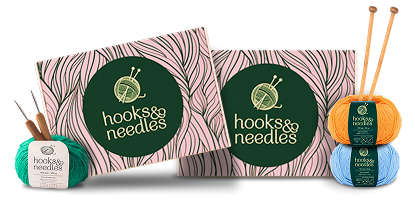
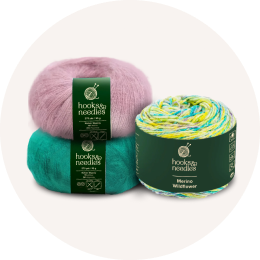
If you’re ready to explore yarns curated for your skill level, every Hooks & Needles box includes premium natural-fiber yarn chosen to elevate your knitting and crochet projects. Dive in when you’re ready, knowing you have a trusted partner on your crafting journey.
FAQ
What is the difference between yarn weight and fiber?
Yarn weight refers to the thickness of the yarn strand (like fingering, worsted, bulky), which affects the size and texture of your finished project. Fiber is the material the yarn is made from (such as wool, cotton, alpaca), influencing softness, warmth, and care requirements.
How do I know which yarn is best for my knitting or crochet project?
Start by understanding your project’s purpose—warmth, breathability, durability—and match it with the right fiber. Then consider yarn weight to ensure the correct gauge and fabric feel. Checking the pattern’s recommendations and making a gauge swatch will guide your choice.
Why choose natural fibers over acrylic or synthetic yarns?
Natural fibers like wool, cotton, and alpaca tend to breathe better, feel softer, and last longer. They also often come from more sustainable sources, providing better environmental impact and quality. However, synthetics can be easier to care for and more affordable, so it depends on your project needs.
What are common mistakes when selecting yarn for a new project?
Common errors include ignoring fiber content, skipping gauge swatches, and selecting the wrong yarn weight. These lead to issues like poor fit, uncomfortable fabric, or projects that don’t hold up well. Taking time to match yarn to pattern and making swatches helps avoid these problems.
Where can I find premium yarns with transparent sourcing?
Look for yarns from respected mills in Italy and Portugal, known for natural fibers and ethical production. Many brands highlight their sourcing and certifications, giving you peace of mind about fiber quality and environmental standards.