Quick Summary
If you’ve ever felt overwhelmed starting a new crochet or knitting project, it helps to have a clear learning path. With Hooks & Needles, each monthly box builds your skills step-by-step, from basic stitches to shaping and finishing techniques. By the end of six boxes, you’ll know exactly what to expect and how to progress confidently, making this perfect for anyone looking for a guided, hands-on yarn craft journey.
Why a Clear Skill Path Matters More Than You Think
Starting crochet or knitting without a clear plan can lead to confusion and frustration. You might struggle with tension, get stuck reading patterns, or feel unsure about which stitch to try next. That’s exactly why the Hooks & Needles subscription boxes are designed as a skill path — each month focuses on a specific milestone, building on the last so you never feel lost. This method helps you finish projects with confidence and a growing sense of accomplishment.
Knowing what to expect in your first six boxes removes the guesswork. You can prepare mentally and gather any questions ahead of time. Plus, a guided skill path means the lessons are paced just right — challenging enough to keep you engaged but never overwhelming. If you’ve been curious about the hooks needles learning journey, this clear roadmap will give you the clarity you need.
If you want to stop feeling stuck or overwhelmed, and start seeing clear progress with your crochet or knitting skills, understanding what’s inside Hooks & Needles boxes and how they build your ability every month is the key.
Month 1: Foundations — Getting Comfortable with Your Tools and Basic Stitches
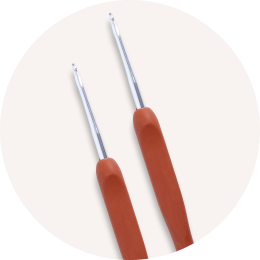
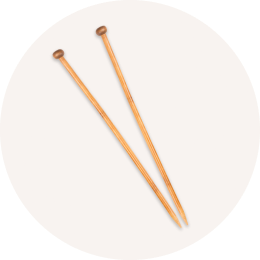
Your first box is all about setting a strong foundation. Expect to learn how to hold your crochet hook or knitting needles correctly, understand yarn weights, and practice essential stitches like the single crochet and knit stitch. Getting comfortable with tension control — how tightly or loosely you hold your yarn — is a major focus here because it affects every stitch you’ll make.
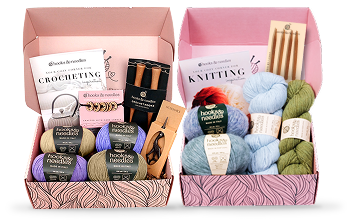
This first milestone is designed to build your confidence with the basics, without rushing you. You’ll also start reading simple pattern instructions, which can feel like a new language at first. The hooks needles first box includes everything you need to practice, so you can focus on skill-building instead of hunting down supplies.
If you want to avoid the common “dropping stitches” or “uneven gauge” mistakes that trip up new crafters, this month’s lessons will give you a solid grip on the essentials.
Month 2 & 3: Reading Patterns and Introducing New Stitch Types
After you’ve mastered the basics, the next step is learning to read more detailed crochet and knitting patterns. This skill is often underestimated but is critical for progressing beyond simple scarves or swatches. You’ll practice interpreting abbreviations, stitch counts, and row repeats.
Alongside pattern reading, you’ll be introduced to new stitches such as the half double crochet, double crochet, purl stitch, and ribbing. These stitches add texture and versatility to your projects. Month 2 and 3 focus on expanding your stitch vocabulary while reinforcing tension control and stitch consistency.
Understanding patterns and new stitches means you can start tackling more interesting projects that feel rewarding rather than intimidating. If you’ve struggled with confusing instructions before, this phase of your hooks needles learning journey will demystify the process.
Month 4: Shaping and Customizing Your Projects
Once you’re comfortable with more stitches and reading patterns, it’s time to learn shaping techniques. This includes increases, decreases, and working in rounds — skills that turn flat rectangles into hats, mittens, or garment pieces. Shaping takes your projects from basic to custom-fitted and professional-looking.
Month 4 also encourages you to experiment with gauge adjustments and tension tweaks to customize fit and texture. Knowing how to shape your work means fewer frustrating “too big” or “too small” finished items. These are skills knitters and crocheters often discover only after trial and error, but Hooks & Needles gives you guided practice early.
If you want to make wearable items or gifts that fit well, then mastering shaping techniques in this box will be a game-changer.
Month 5: Finishing Techniques — Binding Off, Seaming, and Weaving Ends
No project is truly finished until you’ve mastered the finishing touches. Month 5 focuses on binding off knit stitches cleanly, crocheting slip stitches to join pieces, and seaming different parts together. You’ll also learn best practices for weaving in yarn tails so your work looks polished and durable.
Finishing techniques bring your project together and determine its durability and aesthetic. Many crafters rush this phase, but Hooks & Needles shows you how to make it neat and satisfying. Good finishing gives you the confidence to gift or wear your creation without hesitation.
If you’ve ever felt disappointed by projects that unraveled or looked sloppy at the edges, this month’s lessons will help you avoid those common mistakes.
Month 6: Putting It All Together — Complex Patterns and Personal Style
By month 6, you’ll be ready to tackle more complex patterns that combine all the skills you’ve learned — foundation stitches, pattern reading, shaping, and finishing. This box encourages creative choices, like selecting yarn colors and textures that suit your style.
This milestone is about confidence and independence. You’ll be able to pick up many patterns on your own and customize them. The hooks and needles skill path learning culminates here with projects that feel uniquely yours.
If you want to break out of “follow-the-instructions” mode and start making yarn crafts that truly express your style, this month prepares you to do just that.
Common Mistakes + Fixes
Even with a clear learning path, some issues will crop up. A common mistake is inconsistent tension, causing uneven stitches. Fix this by practicing knitting or crocheting slowly and checking your work regularly. If you struggle with pattern abbreviations, keep a printed reference nearby until they feel familiar. When seaming, avoid pulling too tightly; your finished project should lie flat, not scrunched.
Remember, mistakes are part of learning and often teach you more than getting it perfect on the first try.
Pro Tip
Keep a dedicated notebook or digital file to jot down notes from each box — your favorite stitches, tension tips, and pattern symbols. This personal reference grows with your skills and makes moving through the hooks needles learning journey smoother.
Ready to make your next project this good?
Mrs. Quilty delivers a complete quilting project to your door every month — pre-coordinated fabric, tools, pattern, and video guidance included. Over 65,000 quilters have started their journey here. Box 1 is designed for exactly where you are right now.
Use LEARN20 for 20% off your first box

Continuing Your Hooks & Needles Learning Journey
After six months, many crafters find they can confidently take on a variety of projects — from cozy hats to textured scarves and more. The skills you’ve built form a solid base to explore advanced pattern reading, different yarn types, and even garment making. If you want a clear next step, the Hooks & Needles for Beginners blog post offers excellent tips on what to try next.
Remember, every stitch you make is progress. If you ever feel stuck, revisiting earlier boxes can refresh your technique and boost confidence. The structured approach means you’re never alone — you have a community and resources to support your crafting goals.
Exploring what to expect Hooks and Needles boxes deliver can help you plan your crafting calendar and get the most out of each delivery. Whether you prefer knitting or crochet, this skill path is designed to grow with you.
Closing Thoughts
Knowing exactly what you will learn in your first six Hooks & Needles boxes takes away a lot of the uncertainty that slows many crafters down. From mastering foundational stitches and tension control to shaping and finishing techniques, each month’s milestone builds your skills logically and comfortably. This means less frustration and more satisfying finished projects.
You don’t need to be an expert to start — the skill path meets you where you are and grows with your pace and interests. With clear goals and expert guidance, you can look forward to every box with excitement instead of anxiety.
If you’ve been curious about the hooks and needles skill path learning, now you have a clear map. When you’re ready to start, explore the subscription box options and find the perfect place to begin your yarn craft journey.
FAQ
What skills are included in the hooks and needles skill path learning?
The skill path covers foundational stitches, tension control, pattern reading, new stitch types, shaping techniques, and finishing methods over six months.
Can I start the Hooks & Needles subscription at any box?
Yes, but starting at Box 1 is recommended since it covers essential foundations that later boxes build upon for smoother learning.
What if I struggle with pattern reading in early boxes?
Each box includes clear instructions and references to help you decode patterns, plus video support is available to guide you through tricky steps.
Are the tools and yarn included in each Hooks & Needles box?
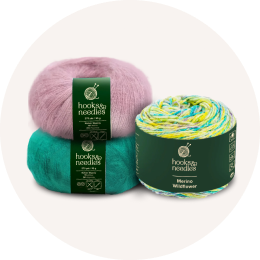
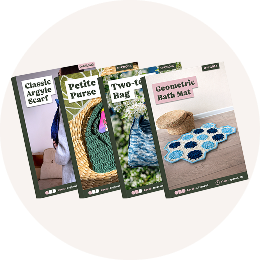
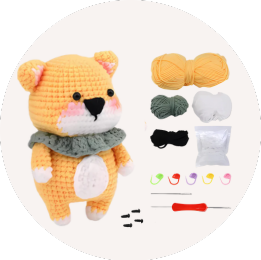
Yes, every box includes pre-selected yarn, tools, and patterns so you can focus solely on learning and creating.
Where can I find more tips after finishing the first six boxes?
The Hooks & Needles blog offers advanced tutorials and project ideas to continue developing your crochet and knitting skills beyond the initial skill path.