Quick Summary
Trying to decode yarn labels and figure out which yarn weight fits your project can feel like an endless puzzle. By the end of this read, you’ll understand what each yarn weight means, how to choose the right hook or needle size, and which projects suit each weight best. If you’ve ever wondered “What does DK weight mean?” or worried about picking yarn for your next knit or crochet project, this is exactly for you.
The frustration of choosing the right yarn weight
You’ve picked out a beautiful pattern, but then comes the label reading: bulky, fingering, worsted... and a maze of numbers. You’re left wondering, “What does DK weight mean? Is it heavier or lighter than worsted? What hook or needle size should I use?” This confusion can stall your creativity and make you second-guess even starting a project. Yarn weight isn’t just a label; it’s the key to getting your stitches looking right, your fabric draping well, and your finished project fitting as intended.
Feeling confident about yarn weights means you can shop smarter, avoid frustrating re-dos, and pick projects that match your skill and time. That clarity comes from understanding the standardized yarn weight categories and their relationship to needle or hook sizes, gauge, and project types. This knowledge unlocks the door to a smoother crafting experience.
If you’ve spent hours searching for a “yarn weight chart” or wondered “what yarn weight for beginners works best,” you’re already halfway there. Let’s clear up the confusion and give you a solid foundation for your next knit or crochet project.
What Are Yarn Weights? A Clear Explanation
Yarn weight refers to the thickness of the yarn strand, which directly affects gauge—the number of stitches and rows per inch. It’s important to realize yarn weight is a classification, not the weight of the whole skein. The Craft Yarn Council standardized these categories to help crafters match yarn with patterns and tools. Common categories range from lace weight (very fine) to jumbo (super bulky).
Each weight category has a recommended hook and needle size range. For example, fingering weight yarn usually pairs with needle sizes US 1–3 (2.25–3.25 mm), while bulky yarn might call for US 9–11 (5.5–8 mm). Matching the yarn weight with the right needle or hook size is essential for getting the right gauge and fabric feel.
Understanding these categories helps you interpret the “yarn weight chart” you often see in patterns or yarn labels. You’ll notice abbreviations like DK (double knitting), worsted, or sport—each meaning specific thickness and project suitability. Knowing these terms means you won’t have to guess or hesitate when picking yarn.
Common Yarn Weight Categories and Their Uses
Here’s a quick overview of popular yarn weights and what they’re best for, plus their typical hook and needle sizes:
- Lace weight: Ultra-fine yarn perfect for delicate shawls and lace patterns. Needles US 000–1 (1.5–2.25 mm).
- Fingering weight: Slightly thicker, ideal for socks and lightweight garments. Needles US 1–3 (2.25–3.25 mm).
- Sport weight: Great for baby clothes and lightweight sweaters. Needles US 3–5 (3.25–3.75 mm).
- DK (Double Knitting): A versatile midweight yarn that works well for blankets, garments, and accessories. Needles US 5–7 (3.75–4.5 mm).
- Worsted weight: Popular all-rounder yarn, commonly used for afghans, hats, and scarves. Needles US 7–9 (4.5–5.5 mm).
- Bulky weight: Thick yarn for warm items like chunky hats and blankets. Needles US 9–11 (5.5–8 mm).
- Jumbo weight: Super thick, often used for arm knitting or quick blankets. Needles US 15+ (10 mm and up).
Knowing these categories means you can decide exactly what yarn weight to choose for your project’s texture and warmth. If you’re wondering “what yarn weight for beginners?” DK and worsted weights are often the most forgiving and versatile.
Common mistakes + fixes when choosing yarn weights
One frequent mistake is starting a project with a yarn weight that doesn’t match the pattern’s recommendation. This leads to gauge issues, ill-fitting garments, or fabric that’s too stiff or floppy. Fix this by always checking the pattern’s yarn weight and gauge first, then matching your yarn and needle size accordingly.
Another issue is ignoring the fiber content and texture along with weight. For example, a bulky mohair yarn can behave differently than a bulky acrylic. Taking fiber into account can save frustration—read more about natural fiber yarn vs acrylic to understand how fiber affects drape and feel.
Pro tip: Use a yarn weight chart as your quick reference
Print or bookmark a yarn weight chart that shows weight names, recommended needle sizes, gauge ranges, and typical project types. When shopping or planning, refer to this chart to quickly identify if your yarn is right for the pattern. Visual guides can make the decision process much smoother.
How Yarn Weights Affect Your Knitting and Crochet Projects
Choosing the correct yarn weight impacts not just the look but also the function of your finished piece. Thicker yarns like bulky or jumbo create quick, warm projects but can feel heavy or stiff. Lighter yarns like fingering or sport produce delicate, breathable fabrics but require more stitches and time.
For example, if you’re making a cozy winter scarf, worsted or bulky yarn is often the way to go. But for a summer top or baby blanket, sport or DK weight yarn provides the right balance of softness and drape. Matching the yarn weight to the project purpose ensures satisfaction with both making and wearing your creation.
Gauge is the magic number here — it’s the number of stitches and rows in a 4x4 inch square. Different yarn weights paired with the right needle or hook size help you hit the gauge your pattern needs. If your gauge is off, your project size will be too small or big, and stitch definition can change dramatically.
Understanding gauge vs tension
Gauge refers to the number of stitches and rows per inch you get with a specific yarn and needle size. Tension is the amount of stretch or tightness in your knitting or crochet stitches. Both affect the final size and texture of your project, but gauge is the measurable standard patterns specify. Adjusting needle or hook size changes your gauge, which is why knowing yarn weight and sizing recommendations is so crucial.
Matching Yarn Weights with Hook and Needle Sizes
Every yarn weight has an ideal hook and needle size range to help you achieve the intended gauge and fabric look. For example, a DK weight yarn (often labeled as #3) generally pairs with 3.75 to 4.5 mm needles or hooks. Using a needle that’s too big makes stitches loose and holes larger; too small makes the fabric stiff and dense.
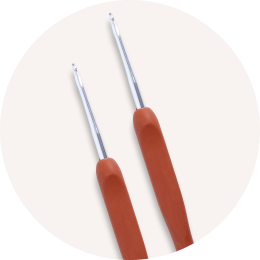
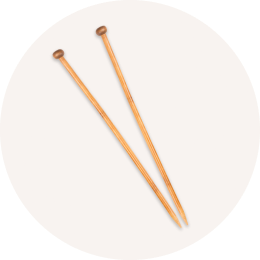
If you’re ever unsure about which needle or hook size to use, start with the manufacturer’s recommendation on the yarn label. You can also check out our post about knitting and crochet tools for a detailed look at needle types and sizes.
Swatching is key: make a small sample square with your chosen yarn and needle/hook size, measure your gauge, and adjust if necessary before starting the full project. This simple step saves countless hours of rework.
Pro tip: Don’t hesitate to experiment
Sometimes the pattern gauge is a guideline, not a rule. If you prefer a looser or denser fabric, try adjusting your needle or hook size while working the swatch. This way, you customize fabric feel without changing yarn weight.
Ready to make your next project this good?
Mrs. Quilty delivers a complete quilting project to your door every month — pre-coordinated fabric, tools, pattern, and video guidance included. Over 65,000 quilters have started their journey here. Box 1 is designed for exactly where you are right now.
Use LEARN20 for 20% off your first box

How Hooks & Needles Helps You Navigate Yarn Weights
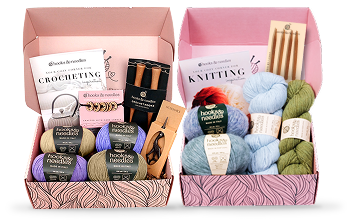
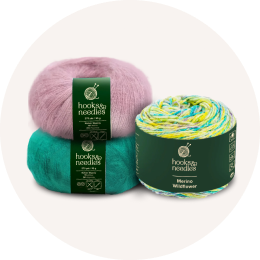
Every Hooks & Needles subscription box includes carefully selected yarns with clear labeling of the yarn weight and recommended needle or hook sizes. This transparency removes the guesswork when starting your project. You’ll get patterns specifically designed for that yarn weight, so your gauge and finished piece meet expectations.
If you’ve ever hesitated to pick a yarn because you weren’t sure if it was “right,” the Hooks & Needles approach ensures you always know what you’re working with and how to use it. This clarity lets you focus on the joy of crafting without second-guessing your materials.
Want to learn more about choosing yarn and tools that match your style? Check out our detailed knitting and crochet tools post to round out your knowledge and feel fully prepared for your next project.
Closing Thoughts
Yarn weights are more than just numbers or names on a label—they’re your roadmap to crafting success. Knowing what each weight means, which needle or hook size to pair with it, and which projects it suits helps you avoid common pitfalls and enjoy every stitch. With clarity on yarn weights, tension, and gauge, you gain confidence that your project will look and feel the way you imagined.
Remember, the best yarn weight for you depends on the project, your personal style, and even the fibers you prefer. Don’t be afraid to experiment, swatch, and learn from each experience. Hooks & Needles is here to support you with clear instructions and yarns perfectly matched to your skill and goals.
Every Hooks & Needles box tells you exactly what yarn weight you have and how to use it, so you can craft with confidence and ease. Enjoy the journey—your next favorite project is waiting.
FAQ
What does DK yarn weight mean?
DK stands for Double Knitting, a medium-light yarn weight classified as #3. It’s versatile for garments, blankets, and accessories, typically worked with 3.75–4.5 mm needles or hooks.
How do I know which needle or hook size to use with my yarn?
Check the yarn label for recommended needle or hook sizes, then swatch to test your gauge. Adjust needle or hook size if your stitches are too loose or tight to match the pattern gauge.
Is yarn weight the same as yarn thickness?
Yarn weight refers to the category of thickness and how many wraps per inch the yarn has, which affects gauge. Yarn thickness is a general feel, but weight categories help standardize this for patterns and tools.
What yarn weight is best for beginners?
DK and worsted weights are great for beginners because they’re easy to handle, widely available, and work well for a variety of projects with clear stitch definition.
Can I substitute one yarn weight for another in a pattern?
Substituting yarn weights is possible but requires careful gauge swatching and adjusting needle or hook size to ensure your finished project matches the intended size and texture.