Quick Summary
You’ve probably faced the frustration of tangled, dusty yarn or skeins that lose their softness before you even start your project. By the end of this post, you’ll know practical ways to store and care for yarn so it stays fresh, clean, and easy to work with—whether it’s wool, cotton, or alpaca. This is for crafters who want their yarn stash to feel as good as the day they bought it.
Why Proper Yarn Storage Matters
If you’ve ever pulled out a skein only to find it tangled, discolored, or smelling musty, you understand why proper yarn care is key. Yarn is delicate, and different fibers react differently to light, moisture, and pests. Storing yarn the right way protects your investment and ensures that when you’re ready to crochet or knit, your yarn feels smooth and behaves predictably. Plus, organized storage means less time hunting for that perfect color or weight and more time stitching.
Yarn can attract dust, moths, and even moisture damage if left exposed. Even natural fibers like wool and alpaca need gentle handling. Without proper care, you might face yarn that breaks, felts unintentionally, or loses its bounce. Good storage and washing habits extend the life of every skein, helping you finish projects with yarn that truly shines.
Not all yarn storage ideas work equally well for every fiber or crafting style. This post breaks down practical strategies tailored to wool, cotton, alpaca, and blends, so you can pick what fits your stash. Clear, simple steps will help you avoid common mistakes that many crafters make.
How to Store and Care for Yarn: Essential Tips
Start with a clean, dry space free from direct sunlight and drastic temperature swings. Sunlight fades colors and weakens fibers over time, so avoid windowsills or bright shelves. A cool, dark closet or a dedicated storage bin will keep your yarn in prime condition. Consider clear plastic bins with sealable lids to block dust and pests while letting you see your stash at a glance.
For yarn storage ideas, grouping skeins by fiber weight or project type can save you time. Use breathable bags or pillowcases to cover your yarn if you prefer natural storage materials over plastic. Avoid overcrowding your containers—compressed yarn can lose its loft and stretch out. Leaving some breathing room helps maintain the yarn’s original shape and texture.
If you want to prevent tangles, winding skeins into balls or cakes before storing can be a game changer. Tools like yarn bowls or storage cubes with separations keep multiple colors and weights tidy. Label your yarn with fiber content, yardage, and dye lot for quick reference. This is especially useful if you pick up new yarns from shops or online.
Fiber-Specific Yarn Care: Wool, Alpaca, and Cotton
Wool yarn deserves special attention because it’s prone to felting and shrinking if handled roughly. When washing wool yarn, use cool water and a gentle wool detergent or shampoo. Avoid agitation—gently soak and rinse instead. Lay wool skeins flat to dry on a clean towel, reshaping if needed. Never wring or hang wet wool, as this can stretch and distort the fibers.
Alpaca yarn is luxuriously soft but even more delicate than wool. It’s best to hand wash alpaca with a mild soap in lukewarm water. Like wool, avoid rubbing or twisting. Alpaca benefits from air drying flat and away from heat sources. Storing alpaca in breathable cotton bags helps prevent static and protects the fiber’s soft halo.
Cotton yarn is sturdier but can lose shape if stored damp or folded improperly. Cotton can be machine washed on gentle cycles but check the yarn label first. To keep cotton yarn fresh, store it in a dry place with good air circulation. Unlike wool and alpaca, cotton yarn does not felt, so it’s more forgiving but still needs protection from dust and pests.
Common Mistakes and How to Fix Them
One common mistake is storing yarn in plastic bags without ventilation. This traps moisture, leading to mildew and odors. If your yarn smells musty, air it out in a dry room and sprinkle a little baking soda to absorb odors. Avoid direct heat to dry it quickly, as that can damage the fibers.
Another frequent error is mixing all yarn types together without organization. This makes it harder to find what you need and increases the chance of fiber damage. Fix this by sorting yarns by type and weight, then labeling containers or bags clearly. Your future self will thank you when you start your next project.
Lastly, washing all yarns the same way is a trap. Some fibers require hand washing, others tolerate machine care. Check your yarn label or manufacturer’s advice before washing. If you accidentally felt a skein, consider repurposing it into a different project like a felted bag or coaster—felting isn’t always a loss.
Pro Tip: Keep Yarn Fresh with Natural Moth Repellents
To keep your yarn stash safe from moths and insects, try natural repellents like cedar blocks, lavender sachets, or dried rosemary. These scents deter pests without harsh chemicals. Replace or refresh them every few months, especially if your storage area is humid. Avoid mothballs—they leave a strong odor and can affect yarn quality.
Ready to make your next project this good?
Mrs. Quilty delivers a complete quilting project to your door every month — pre-coordinated fabric, tools, pattern, and video guidance included. Over 65,000 quilters have started their journey here. Box 1 is designed for exactly where you are right now.
Use LEARN20 for 20% off your first box

Visual Yarn Storage Ideas That Work
Clear plastic bins stacked with labels are a go-to for many crafters because they protect yarn while letting you spot the color or fiber easily. If you like something more decorative, open shelving with baskets lined in cotton fabric can be both pretty and practical. Just make sure baskets aren’t in direct sunlight or damp areas.
Another smart idea is to store yarn in zippered mesh bags or project bags. These keep yarn clean and contained while allowing airflow, minimizing the risk of mildew. For those with limited space, wall-mounted cubbies or hanging shoe organizers are clever ways to stash yarn vertically, keeping it tidy and accessible.
If you want to display your yarn stash as art, grouping colors by hue or yarn weight can be visually inspiring and motivate you to start new projects. Just remember to rotate your yarn stash occasionally to keep older skeins used before they deteriorate.
How to Wash Wool Yarn Without Damage
Wool yarn is sensitive to temperature and agitation, which causes felting. To wash, fill a basin with cool water and add a small amount of wool-specific detergent or gentle shampoo. Immerse the wool skein, gently pressing it without rubbing or twisting. Let it soak for 10-15 minutes, then carefully rinse in cool water until suds disappear.
Avoid wringing out the water. Instead, press the skein gently between towels to remove excess moisture. Lay it flat on a dry towel, shaping it back to its original form, and air dry away from heat or sunlight. This method preserves the wool’s softness and elasticity, readying it for your next project.
If you’re unsure about washing, some yarns can be spot cleaned or simply aired out. Always check your yarn label or manufacturer’s instructions first to avoid surprises.
How the Yarns in Your Hooks & Needles Box Stay Fresh
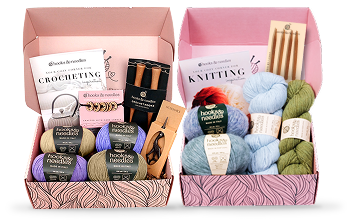
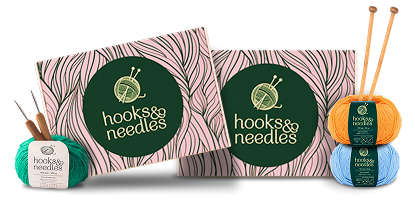
The yarns included in your Hooks & Needles subscription box are carefully selected for quality and longevity. These yarns respond well to gentle care and proper storage, which means they’ll stay soft and vibrant through your projects. We recommend following these care tips and storing your yarn in breathable containers to maintain its best condition.
If you want to dive deeper into yarn selection and fiber differences, our post on natural fiber yarn vs acrylic offers clear insights. Knowing your yarn well makes caring for it easier and more effective.
Remember, good yarn care isn’t just about preserving your stash—it also sets you up for success in every stitch. When your yarn feels right, your crafting feels better.
Closing Thoughts
Properly storing and caring for yarn isn’t complicated, but it requires a bit of attention and the right approach for each fiber. Avoiding moisture, sunlight, and pests, along with gentle washing methods, keeps your yarn ready and enjoyable to work with. Taking these steps means less frustration and more beautiful results.
This clarity around yarn care builds confidence and helps you make the most of every skein. Whether you’re knitting a cozy sweater or crocheting a colorful blanket, your yarn should feel fresh and inviting from the first stitch to the last.
If you want to explore new yarns selected for quality and durability, consider the Hooks & Needles subscription box. It’s designed to bring you joy and ease in every project, starting with yarn that’s cared for right from the start.
FAQ
How should I store wool yarn to prevent damage?
Store wool yarn in a cool, dark place inside breathable bags or sealed plastic bins with cedar or lavender to deter moths. Avoid sunlight, moisture, and excessive handling to prevent felting and discoloration.
Can I machine wash all types of yarn?
No, machine washing is safe only for certain yarns labeled as machine washable. Delicate fibers like wool and alpaca require gentle hand washing to avoid felting and shrinking. Always check the yarn label first.
What are the best yarn storage ideas for small spaces?
Use vertical storage solutions like wall-mounted cubbies, hanging organizers, or stackable clear bins. Project bags and zippered mesh bags also help keep yarn tidy without taking much room.
How do I keep yarn fresh and odor-free?
Store yarn in well-ventilated containers and use natural moth repellents like lavender or cedar blocks. Avoid plastic bags without ventilation and refresh repellents regularly to prevent odors and pests.
What is the best way to wash wool yarn without felting it?
Hand wash wool yarn gently in cool water with wool detergent, soak without agitation, rinse carefully, and dry flat away from heat and sunlight to avoid felting and shrinking the fibers.