Quick Summary
You’ve stared at your yarn stash wondering what all those weight terms mean and which yarn suits your next project best. By the end, you’ll clearly understand the 7 main yarn weights, how to match them with needles or hooks, and which projects shine with each type. If you’ve ever asked “what does DK weight mean?” or felt lost choosing yarn weight for beginners, this is the clarity you need.
Why Yarn Weight Matters More Than You Think
If you’ve ever grabbed yarn that looked perfect but ended up with a project that’s too bulky or flimsy, the culprit is usually yarn weight. Yarn weight affects your project’s size, texture, drape, and even how long it takes to finish. Choosing the right yarn weight helps you meet your crafting goals without surprises or frustration. For example, using a bulky yarn when the pattern calls for DK weight can make your garment stiff or oversized, while a too-light yarn might leave your scarf lacking warmth.
Understanding yarn weights gives you the confidence to select yarns that match your project’s needs and your personal style. It also makes it easier to follow patterns that specify needle or hook sizes based on weight. This clarity is especially helpful if you’re wondering, “what does DK weight mean?” or trying to pick the best yarn weight for beginners.
Breaking Down the 7 Yarn Weights Explained Guide
Yarn weight is a standardized way to describe the thickness of yarn strands. The Craft Yarn Council defines seven categories from thinnest to thickest: Lace, Fingering, Sport, DK, Worsted, Bulky, and Super Bulky. Each corresponds to recommended needle or hook sizes and typical project uses. Here’s a quick yarn weight chart to visualize:
- Lace: Very fine, used for delicate shawls. Needles 000–1 (1.5–2.25 mm).
- Fingering: Lightweight for socks and baby items. Needles 1–3 (2.25–3.25 mm).
- Sport: A bit thicker, great for lightweight garments. Needles 3–5 (3.25–3.75 mm).
- DK (Double Knit): Medium-light weight, versatile for sweaters and accessories. Needles 5–7 (3.75–4.5 mm).
- Worsted: A medium weight that’s widely used. Needles 7–9 (4.5–5.5 mm).
- Bulky: Thick yarn for quick projects, warm garments. Needles 9–11 (5.5–8 mm).
- Super Bulky: Very thick, ideal for heavy blankets and scarves. Needles 11+ (8 mm+).
Each yarn weight serves different project goals. For example, lace yarn makes a light, airy shawl, while bulky yarn knits up into a warm, chunky cowl quickly. Knowing which weight to pick helps you tailor your project’s texture and warmth.
What Does DK Weight Mean and Why It’s a Favorite
DK, or Double Knit, is often a sweet spot for knitters and crocheters who want a balance between lightness and warmth. It’s thinner than worsted but thicker than sport weight, making it versatile for both garments and accessories. Many patterns call for DK because it produces a comfortable drape without bulk. If you’re looking for yarn weight for beginners, DK is a great choice since it stitches up quickly but still shows stitch definition nicely.
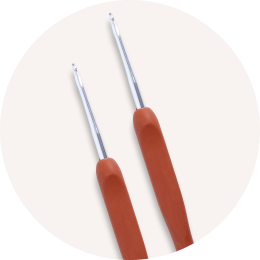
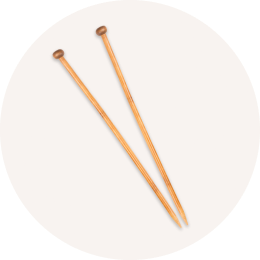
Pairs well with medium-sized needles or hooks, usually in the 5-7 US (3.75-4.5 mm) range. DK weight yarn can be found in many Hooks & Needles boxes, making it easy to try different colors and fiber blends without committing to large skeins.
Common Mistakes When Choosing Yarn Weight + How to Fix Them
One common mistake is ignoring the pattern’s recommended yarn weight and needle size, then substituting a different weight without adjusting the project. This often leads to gauge issues—your stitches per inch won’t match, and the final piece may be too small, too large, or misshapen. To fix this, always swatch with the yarn you plan to use and adjust needle or hook size until you match the pattern’s gauge.
Another error is picking yarn solely based on color or softness, without considering weight. For example, a yarn that feels soft but is labeled bulky might not give you the drape or stitch definition you expected. Fix this by consulting a yarn weight chart and comparing your yarn’s wraps per inch (WPI) if you’re unsure.
Pro Tip: Using Hooks & Needles Boxes to Learn Yarn Weights
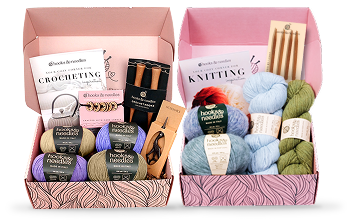
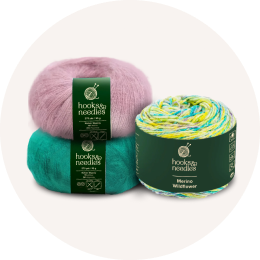
Hooks & Needles subscription boxes include yarns with clear labels on weight and recommended needle/hook sizes, plus patterns designed specifically for those yarns. This removes guesswork and helps you build confidence in recognizing and working with different yarn weights. If you want to explore the characteristics of yarn weights in a hands-on way, these boxes are ideal.
Choosing Yarn Weight for Your Project
Think about your project’s purpose and look when choosing yarn weight. For example, if you want a soft baby blanket, sport or DK weight yarn is perfect—they’re light but warm and washable. For a cozy winter hat or scarf, bulky or super bulky yarn knits up fast and traps heat well. If you want a delicate lacy shawl, lace or fingering weight yarn creates the fine detail and drape you need.
Keep in mind your preferred needle or hook sizes, too. If you only have smaller needles, sport or fingering weight yarn will suit you better. Larger needles pair well with bulky yarns, but if you’re not used to handling thick yarn, it can be cumbersome.
Read more about different yarn fiber types and how they interact with yarn weights in our post on natural fiber yarn vs acrylic. Fiber content combined with weight dramatically impacts your project’s feel and care.
Ready to make your next project this good?
Mrs. Quilty delivers a complete quilting project to your door every month — pre-coordinated fabric, tools, pattern, and video guidance included. Over 65,000 quilters have started their journey here. Box 1 is designed for exactly where you are right now.
Use LEARN20 for 20% off your first box

How to Match Needles and Hooks with Yarn Weights
Each yarn weight works best with a recommended needle or hook size range to achieve the right gauge and fabric texture. For instance, fingering weight yarn usually pairs with US 1-3 needles (2.25-3.25 mm), while bulky yarns need US 9-11 (5.5-8 mm). Using needles or hooks that are too big or small can make your stitches too loose or tight, affecting your project’s size and drape.
When trying a new yarn weight, always make a small gauge swatch. This quick test helps you adjust your needle or hook size for perfect stitch tension. Remember, gauge is the number of stitches and rows in a measured square, usually 4 inches, and matching it ensures your finished piece fits as expected.
If you want to see how yarn weight changes the look and feel of stitches, check out our post on must-have yarns to elevate your creations. It’s a great way to deepen your understanding beyond just numbers and labels.
Common Mistakes + Fixes When Working With Yarn Weights
A frequent mistake is assuming yarn weight alone guarantees the same drape or softness across brands. Fiber content and ply count also influence the final fabric. If your project feels stiffer or fuzzier than expected, check if the yarn has extra texture or different fiber blends.
Another issue is skipping swatching entirely. Even within the same weight category, different yarns can behave differently. Fix this by always knitting or crocheting a swatch to test how the yarn works with your needle or hook, and adjust accordingly.
Pro Tip: Label Your Yarn Stash
Keep a small notebook or app to note each yarn’s weight, fiber, and recommended needle/hook size. This saves time and frustration when you’re ready to start a project and wonder what yarn you have on hand. Hooks & Needles boxes are great for this, as each yarn comes clearly labeled with all this info.
Yarn Weights Explained Guide: Wrapping Up
Yarn weight is the foundation of project planning in knitting and crochet. Recognizing these 7 main weights and how they pair with needles, hooks, and project types will save you from common pitfalls and help you create beautiful, well-fitting pieces with confidence. Whether you want to know “what does DK weight mean” or how to pick yarn weight for beginners, this knowledge makes your crafting more enjoyable and successful.
As you grow your skills, you’ll learn to experiment with different weights and fibers to suit your style. For now, keep this yarn weights explained guide handy and refer back whenever you’re choosing yarn for a new project.
Closing Thoughts
Choosing the right yarn weight can feel overwhelming at first, but breaking it down into the seven categories gives you a clear path forward. Knowing how each weight behaves, which needles or hooks work best, and what projects suit which yarn will boost your confidence and save time. Remember, yarn weight isn’t just a number — it’s a key part of how your finished project looks and feels.
Take your time experimenting with different weights, and don’t hesitate to swatch or ask for advice. Every crafter’s journey is unique, and understanding yarn weights is one of the best investments you can make in your skills. Soft yarn, the right weight, and a perfect hook or needle can turn a frustrating start into a joyful finish.
If you want a simple way to explore yarn weights without guesswork, every Hooks & Needles box tells you exactly which weight yarn you have and how to use it. It’s a great way to build your stash and your knowledge simultaneously.
FAQ
What does DK weight yarn mean?
DK (Double Knit) weight yarn is a medium-light yarn that sits between sport and worsted weights. It’s versatile and commonly used for garments and accessories, working best with needle sizes 5–7 US (3.75–4.5 mm).
How do I choose the right yarn weight for my project?
Consider your project’s desired texture, warmth, and drape. Lightweight yarns like fingering suit delicate wearables, while bulky yarns are better for quick, warm items. Always check the pattern’s recommended weight and needle/hook size and swatch to match gauge.
What is the difference between worsted and bulky yarn?
Worsted yarn is a medium weight yarn good for a wide range of projects and works with needles 7–9 US (4.5–5.5 mm). Bulky yarn is thicker, knits up faster and warmer, working with larger needles 9–11 US (5.5–8 mm).
Can I substitute yarn weights in a pattern?
Substituting yarn weights is possible but requires adjusting needle/hook sizes and rechecking gauge. Failing to do so can lead to size or texture issues in your finished item.
Where can I find yarn weight charts and examples?
Yarn weight charts are widely available online and often included in yarn packaging. Hooks & Needles subscription boxes provide clear labels and patterns that help you recognize and work confidently with different yarn weights.