Quick Summary
You're curious about how ethical Hooks & Needles really is—especially around where our yarn comes from, how we credit designers, and our sustainability efforts. By the end, you’ll know exactly which mills we partner with, how we fight pattern plagiarism, and what steps we’re taking to be responsible stewards of the craft. If you care about knitting subscription ethics and want transparency before you start your next project, this post is for you.
Why Transparency in Yarn Sourcing Matters to Crafters
When you pick up yarn for your next knitting or crochet project, you’re not just choosing color or texture—you’re also making a silent choice about the people and processes behind that fiber. With growing awareness about ethical yarn sourcing, it’s natural to wonder exactly how brands like Hooks & Needles select and verify their materials. This isn’t just about feel-good marketing; it’s about tracing the journey from sheep’s wool or cotton fields all the way to your hands, ensuring fair labor, environmental stewardship, and quality you can trust.
Hooks & Needles hears those concerns loud and clear. We understand that crafters want clarity on what goes into every skein, which mills meet our standards, and how our fiber choices impact communities and ecosystems. That’s why we’ve committed to full transparency about our yarn origins. Knowing this helps you feel confident that your beautiful handmade items come from responsible sources, aligning your craft with your values.
If you’ve ever hesitated because you couldn’t find straightforward information about yarn ethics or feared supporting pattern plagiarism, this post aims to clear the fog. We’ll be upfront about what we do well and where we continue to improve, so you can decide if Hooks & Needles fits your ethical crafting standards.
hooks and needles ethical yarn sourcing: What You Need to Know
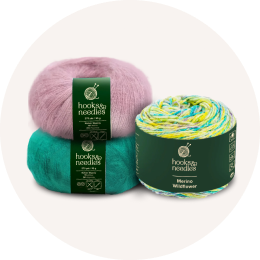
Our yarn sourcing starts with trusted mill partners known for sustainable and humane practices. We work primarily with mills in Europe and North America that provide detailed traceability—from fiber harvest to spinning. For instance, our wool predominantly comes from farms that follow strict animal welfare codes, avoiding mulesing and supporting pasture-raised sheep. Cotton suppliers are selected based on organic certifications and fair trade principles where possible.
We routinely audit these mills and require transparency about working conditions and environmental impact. While no supply chain is perfect, our philosophy is continuous improvement paired with full disclosure. You won’t find vague statements here; instead, we share specific fiber origins and mill names on our website and product tags, so you know exactly what you’re buying.
Because yarn quality varies greatly, we also maintain a detailed yarn quality guide to explain weights, fiber blends, and performance characteristics. This helps you choose materials that match your project needs and expectations. If you want the full breakdown on yarn quality, check our hooks and needles yarn quality guide for clarity on what goes into every skein.
Common mistakes + fixes with yarn sourcing transparency
One common stumbling block for brands is balancing transparency with supply chain complexity. Sometimes yarn blends come from multiple countries or mills, and oversimplifying can feel misleading. We avoid this by listing exact fiber percentages and their origins, even if it means longer descriptions. This honesty builds trust, even if it’s less flashy.
Another frequent issue is using buzzwords like “sustainable” without proof. At Hooks & Needles, we back claims with certifications and provide accessible documentation. If a yarn isn’t certified but meets our standards, we explain why rather than hide it. This approach helps you make an informed choice rather than relying on marketing hype.
Pro tip: How to spot truly ethical yarn on any brand’s label
Look beyond simple buzzwords and check for third-party certifications like GOTS (Global Organic Textile Standard), RWS (Responsible Wool Standard), or Fair Trade. Also, see if the brand shares specific mill names or fiber farms. Brands serious about ethical sourcing will not shy away from transparency and often provide detailed “behind the scenes” content. This is a good habit to develop as you explore yarns for your projects.
hooks needles pattern plagiarism and designer credit policies
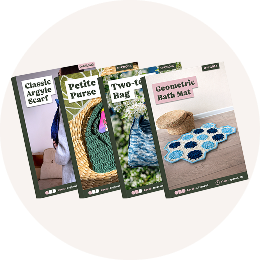
Ethical yarn sourcing is just one part of our commitment. Equally important is how we respect pattern designers and creators. Hooks & Needles has a strict zero-tolerance policy toward pattern plagiarism. Each pattern we offer is either created by our in-house design team or properly licensed from independent designers who receive full credit and royalties.
We understand that designers pour their creativity and time into every stitch and deserve recognition. If you browse our pattern library, you’ll find designer bios and links to their original work. We also encourage community feedback to flag any concerns promptly. This protects both creators and crafters, ensuring that your subscription supports fair creative practices.
Our stance on pattern plagiarism responds to past industry issues, and we’ve taken concrete steps to foster a culture of respect and transparency. This includes contract clarity, publishing credits openly, and maintaining open lines of communication with our design partners.
Common mistakes + fixes with pattern credit
Some brands unintentionally blur lines by using “inspired” designs without permission, which can cause hurt and legal risks. Hooks & Needles avoids this by vetting every design rigorously and using contracts that spell out rights clearly. If a pattern is based on a traditional motif, we credit origins and add unique elements to respect legacy and creativity.
For crafters, a common mistake is assuming all online patterns are free or public domain. Supporting designers through subscriptions like ours helps maintain a vibrant creative ecosystem and ensures new patterns keep flowing.
Pro tip: How to verify if a pattern is ethically sourced
Check if the pattern credits the designer by name and offers direct links to their portfolio or shop. Also, see if the brand or platform shares information about licensing or royalties. Ethical knitting subscription services, like Hooks & Needles, make this information easy to find, showing respect for creators and transparency to crafters.
Ready to make your next project this good?
Mrs. Quilty delivers a complete quilting project to your door every month — pre-coordinated fabric, tools, pattern, and video guidance included. Over 65,000 quilters have started their journey here. Box 1 is designed for exactly where you are right now.
Use LEARN20 for 20% off your first box

Packaging and Environmental Commitment
Ethics extend beyond yarn and patterns into how Hooks & Needles packages and ships your orders. We aim to reduce waste by using recyclable or compostable materials whenever possible. Our boxes are designed to be sturdy enough for reuse, and we continuously seek suppliers who minimize their carbon footprint.
While the crafting industry still faces challenges in packaging sustainability, Hooks & Needles is committed to incremental progress. We keep you informed on these efforts and welcome your feedback on how we can do better. After all, ethical knitting subscription services should consider the entire lifecycle of each product they deliver.
For those interested in the nitty-gritty of yarn quality alongside ethical sourcing, our analysis of Hooks & Needles value and quality offers insight into how our materials and patterns come together to support your crafting goals responsibly.
Closing Thoughts
Hooks & Needles is committed to transparency and responsibility across every aspect of our business—from yarn sourcing to pattern creation to packaging. We openly acknowledge there’s always room to improve, but we believe honesty is the foundation of trust. You deserve to know exactly where your yarn comes from and who creates the patterns you cherish.
By choosing Hooks & Needles, you’re supporting a brand that values ethical practices and respects the creative community. This clarity helps you craft with confidence, knowing your projects reflect your values as well as your skills. If you appreciate transparency and quality, exploring our subscription offerings could be the next step in your crafting journey.
We encourage you to keep asking questions, stay informed, and choose yarn and patterns that align with your ethics. After all, crafting is not just about making—it’s about making responsibly.
FAQ
Where does Hooks & Needles source its yarn?
We source our yarn from trusted mills primarily in Europe and North America that follow strict animal welfare and environmental standards. We share specific fiber origins and mill partners openly to ensure transparency.
How does Hooks & Needles handle pattern designer credit?
All patterns are either created in-house or properly licensed from independent designers who receive full credit and royalties. We maintain a zero-tolerance policy on pattern plagiarism and openly share designer information.
Is Hooks & Needles packaging environmentally friendly?
We use recyclable or compostable packaging materials whenever possible and design boxes for reuse. We are continuously working to improve our environmental impact across all operations.
Can I trust Hooks & Needles' claims about ethical sourcing?
Yes. We provide detailed information about fiber origins, mill partners, and certifications. We avoid vague claims and back our statements with evidence and transparency to help you make informed decisions.
How can I learn more about yarn quality from Hooks & Needles?
Our yarn quality guide explains weights, fiber blends, and performance characteristics to help you select the right yarn for your projects.