Quick Summary
Feeling overwhelmed by all the crochet hook sizes and unsure which one fits your project? By the end, you’ll have a clear understanding of how to choose the right crochet hook size with ease, including a handy size chart and fiber pairings. This is for anyone ready to stop guessing and start crocheting confidently.
Sorting Through Crochet Hook Sizes: What You Really Need to Know
When you first look at crochet hooks, the different sizes and materials can feel like a maze. The size of your hook impacts everything—from how tight or loose your stitches look to how quickly your project grows. If you’ve ever started a project only to find it too stiff or too floppy, the hook size might be the culprit. Understanding how to select the right crochet hook size is the first step to making your project turn out just as you imagined.
Not all hooks are created equal, and neither are projects. Choosing a hook isn’t just about following a number on a label—it’s about matching your yarn, your tension, and your pattern’s needs. For example, a delicate lace shawl calls for a much smaller hook than a chunky blanket. Knowing how to read a crochet hook sizes chart and pairing it with your yarn weight can save you frustration and time.
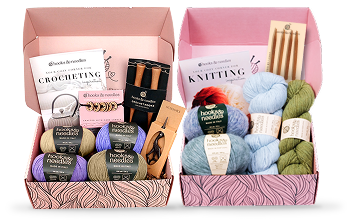
Many beginners ask, “What size crochet hook should I start with?” The answer isn’t one-size-fits-all, but there are reliable starting points and clear guidelines to help you pick the perfect hook from the get-go. This clarity also reduces the anxiety of building a toolkit you don’t need yet. Hooks & Needles subscription boxes include the right hook for your project every month, eliminating guesswork and helping you build confidence as you go.
How to Use a Crochet Hook Size Guide Effectively
The most helpful tool when selecting a crochet hook is a crochet hook sizes chart. This chart matches hook sizes to yarn weights, showing you the ideal hook diameter for each yarn category—from fine threads to bulky yarns. For example, size B-1 (2.25 mm) is perfect for lightweight yarns, while size K-10.5 (6.5 mm) pairs well with medium worsted weight yarns.
Keep in mind that hook sizes can be labeled in millimeters or U.S. letter/number sizes, which sometimes causes confusion. The millimeter measurement reflects the actual diameter of the hook’s shaft, which directly affects stitch size. The U.S. sizing is a convenient shorthand, but when in doubt, always trust the millimeter size. A good crochet hook sizes chart will include both for easy comparison.
Choosing crochet hook size also depends on your tension—the tightness of your stitches. If you tend to crochet tightly, you might want to go up a hook size to avoid stiff fabric. If your stitches are loose, going down a size can help your project hold its shape better. It’s worth creating small swatches with different hook sizes to see what feels and looks best for your specific yarn and pattern.
Common Mistakes When Choosing Crochet Hook Sizes + How to Fix Them
A frequent mistake is picking a hook size solely based on what’s listed on the yarn label without considering the pattern’s specific requirements. Yarn labels give a recommended hook size, but patterns might call for different sizes depending on the design’s density and drape. Always check your pattern’s suggested hook size first, then adjust if necessary based on your tension.
Another issue is ignoring your personal tension. Two crocheters using the same hook and yarn can get very different results. If your gauge swatch doesn’t match the pattern’s gauge, don’t hesitate to switch hook sizes until you nail it. Gauge is the true test, not just the hook size. Taking time to check gauge saves headaches later when your final piece doesn’t fit or hang correctly.
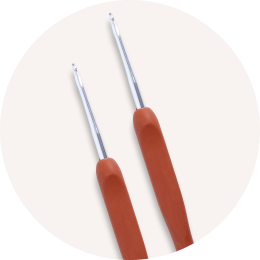
Lastly, beginners sometimes use hooks that are too small, leading to sore hands and slow progress. If you feel discomfort, try a larger hook or one with an ergonomic handle. Hooks & Needles subscription boxes often include hooks designed for comfort, helping you avoid this common pitfall.
Pro Tip: Pairing Crochet Hooks with Yarn Fibers
Not all yarns behave the same with every hook material. For instance, a slick yarn like bamboo or silk glides smoothly over metal hooks, speeding up your work. On the other hand, fluffy or textured fibers like mohair or boucle grip better on hooks made from wood or plastic, offering more control.
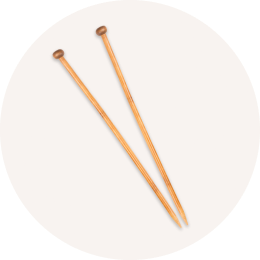
When choosing crochet hooks, consider the fiber content of your yarn. If you’re working with slippery yarns, a matte-finished metal hook or a wooden hook can prevent stitches from sliding off unexpectedly. Conversely, shiny metal hooks are perfect for smooth acrylics and cottons because they let your hook move quickly without snagging.
Hooks & Needles includes the right hook material in each box tailored for the yarn and project, making this fiber-to-hook match hassle-free. This thoughtful pairing helps your stitches look even and your hands stay comfortable throughout your project.
Crochet Hook Sizes Chart for Quick Reference
Here’s a simplified crochet hook sizes chart to help you get started with common yarn weights:
- Thread/Fingering Weight: 0.6 - 1.5 mm hooks (steel hooks often used)
- Lace Weight: 1.6 - 2.25 mm hooks
- Light Fingering/Sport Weight: 2.25 - 3.5 mm hooks
- DK Weight: 3.75 - 4.5 mm hooks
- Worsted/Medium Weight: 5.0 - 6.5 mm hooks
- Bulky Weight: 6.5 - 9.0 mm hooks
- Super Bulky: 9.0 mm and up
Remember, these are guidelines. Always check your pattern and yarn label, then make a swatch to confirm. Swatching with your chosen hook size is the best way to avoid surprises later.
Getting Comfortable Holding Your Crochet Hook
How you hold your crochet hook influences your tension and comfort. Whether you prefer the pencil grip or the knife grip, the goal is to find a hold that feels natural and reduces strain. If you want to refine your technique, check out our article on how to hold a crochet hook for detailed tips that can improve your flow and ease hand fatigue.
Hooks & Needles subscription boxes include hooks designed to be ergonomic, so even if you’re new to holding hooks, you’ll find them easy to use right away. This thoughtful design helps you develop smooth tension without discomfort, making your crafting sessions more enjoyable.
Ready to Build Your Crochet Toolkit Without Guesswork?
If you’ve been worried about buying the wrong hooks or building a toolkit you don’t need, Hooks & Needles subscription boxes are a perfect solution. Each box includes the ideal hook size for the project, paired with just the right yarn and pattern. This means no guessing on hook size or yarn weight—just open your box and start crocheting with confidence.
Ready to make your next project this good?
Mrs. Quilty delivers a complete quilting project to your door every month — pre-coordinated fabric, tools, pattern, and video guidance included. Over 65,000 quilters have started their journey here. Box 1 is designed for exactly where you are right now.
Use LEARN20 for 20% off your first box

Choosing Crochet Hooks for Beginners: What to Keep in Mind
Beginners often ask, “What size crochet hook for beginners should I use?” The common recommendation is to start with a medium-sized hook, like a size G-6 (4.0 mm) or H-8 (5.0 mm), paired with a worsted weight yarn. This combo is easy to handle, shows stitches clearly, and helps you build tension control without frustration.
Starting too small can cause hand strain and frustration, while too large hooks with thin yarn can make stitches hard to see. The key is balance: a comfortable hook size matched with a yarn weight that feels manageable. As you grow more confident, experimenting with other sizes becomes easier and more rewarding.
For more on building your essential crochet toolkit, including recommended hooks and yarns, our post on what tools you need for knitting and crochet offers clear advice to get you started without excess gear.
Closing Thoughts
Choosing the right crochet hook size can feel like decoding a secret language at first, but it doesn’t have to be overwhelming. By aligning your hook size with your yarn weight, pattern requirements, and personal tension, you set yourself up for a smooth, enjoyable crocheting experience. Remember, swatching is your best friend—it's the practical step that turns theory into success.
Trusting the process—and your hands—brings confidence with every stitch. If you’re unsure where to start, beginning with Hooks & Needles subscription boxes takes the guesswork out of the equation, providing the right hook, yarn, and pattern all in one place. That way, you can focus on the joy of making instead of scrambling for supplies.
Keep practicing, stay curious, and know that every new project sharpens your skills. Happy crocheting!
FAQ
What size crochet hook should a beginner use?
Most beginners find a medium-sized hook like a G-6 (4.0 mm) or H-8 (5.0 mm) paired with worsted weight yarn easiest to work with. It offers good stitch visibility and manageable tension.
How do I know which crochet hook size to choose for a project?
Check your pattern’s recommended hook size and yarn weight, then make a small gauge swatch. Adjust the hook size if your stitches are too tight or loose to match the pattern’s gauge.
What is the difference between millimeter sizes and U.S. crochet hook sizes?
Millimeter sizes indicate the actual diameter of the hook’s shaft, while U.S. sizes are a letter/number shorthand. Millimeters are more precise, so use them when in doubt.
Can I use different hook materials with various yarn fibers?
Yes. Smooth metal hooks work well with slick yarns, while wooden or plastic hooks give more grip for fluffy or textured fibers. Picking the right material improves comfort and stitch control.
Why does my crochet project look different even when using the same hook size?
Personal tension varies; your stitches might be tighter or looser than the pattern’s gauge. Swatching and adjusting hook size helps ensure your finished project matches the intended size and feel.