Quick Summary
Feeling stuck trying to figure out which crochet hook size fits your yarn and project? You’re not alone—choosing the wrong hook can lead to frustrating tension and uneven stitches. By the end, you’ll have a clear crochet hook size guide, including a handy size chart and project pairings, so you can confidently pick the perfect hook every time. This is especially for anyone who wants to stop guessing and start crocheting smoothly right away.
Why Choosing the Right Crochet Hook Size Matters More Than You Think
Have you ever started a crochet project only to find your stitches look too tight or too loose? That’s almost always a sign of a mismatch between your yarn and crochet hook size. Using a hook that’s too small makes your fabric stiff and tough to work with, while a hook that’s too large creates gaps and a floppy finish. It’s not just about aesthetics—wrong sizes can alter your gauge, making your project end up smaller or larger than planned, which is frustrating when you want a perfect fit or matching pieces.
Many beginners face anxiety over choosing crochet hooks because standard recommendations can seem confusing or inconsistent. Add to that the variety of yarn weights and hook materials, and it’s easy to feel overwhelmed. But understanding the relationship between yarn weight and hook size unlocks better tension control, more consistent stitching, and easier crocheting overall. This clarity is what transforms frustration into satisfaction.
Knowing what size crochet hook for beginners is equally important. Starting with the right size hook paired with the right yarn can make your first projects more enjoyable and less prone to mistakes. Instead of guessing, having a clear crochet hook size guide tailored to your project will save time and yarn, and boost your confidence.
How to Read a Crochet Hook Size Chart and Match It to Your Yarn
Crochet hook sizes can be confusing because they use multiple sizing systems: US letters and numbers, metric millimeters, and sometimes UK sizes. The most reliable way to pick your hook is by looking at the metric size—the actual diameter in millimeters—since that directly affects stitch size and tension.
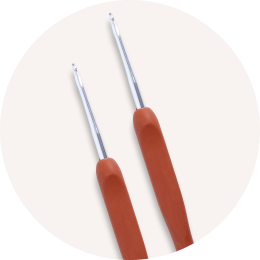
A crochet hook size chart is your best friend here. It lists hook sizes from tiny (2.0 mm) to jumbo (15 mm+), alongside the recommended yarn weight for each. For example, a 4.0 mm hook (US G/6) usually works well with medium worsted weight yarn, while a 6.5 mm hook pairs nicely with bulky yarn. The chart helps you visualize which hook to choose based on the yarn label’s recommended range.
Keep in mind, the yarn’s fiber content and your personal crocheting style also influence the ideal hook size. If you crochet tightly, bumping up one hook size can help loosen your stitches. Conversely, if you tend to crochet loosely, going down a size tightens your fabric. For more on yarn types and weights, check out our detailed yarn weights guide to get familiar with the terminology and find your perfect match.
Common Mistakes + Fixes When Choosing Crochet Hooks
One frequent mistake is blindly following the yarn label’s recommended hook size without testing. Labels provide a starting point, but your personal tension and project type matter too. For instance, a delicate lace shawl might need a smaller hook for tighter stitches, while a cozy blanket benefits from a larger hook for softness.
Another error is ignoring gauge swatches. Skipping a swatch means you risk misjudging your hook choice and ending up with a project that doesn’t fit or drapes poorly. Taking the time to crochet a small sample helps you adjust hook size before committing.
If you realize your stitches are too tight or too loose, don’t hesitate to switch hooks mid-project. It’s better to fix tension issues early than struggle through uneven fabric. Also, some hooks have ergonomic designs that improve grip and reduce hand fatigue—trying different styles might help you crochet more comfortably and consistently.
Pro Tip: How to Test Hook Size Before You Start
Grab your yarn and hook, then crochet a 4x4 inch square swatch in your chosen stitch pattern. Measure your gauge by counting stitches per inch and rows per inch. Compare that to the pattern’s gauge or your personal preference. If your stitches are too tight, try a larger hook; if too loose, go smaller. This simple test is the fastest way to find your ideal hook size and avoid costly mistakes.
Choosing Crochet Hooks for Different Project Types
Different crochet projects demand different hook sizes, even when using the same yarn. For example, amigurumi (crocheted stuffed toys) usually calls for a smaller hook than the yarn label suggests to create tight, dense stitches that don’t let stuffing show through. On the other hand, scarves or shawls often use a larger hook for an open, drapey fabric.
Here’s a quick reference to match hooks with common yarn weights and project types:
- Light Fingering/Sock Weight: 2.25–3.5 mm hooks, great for delicate garments or baby items.
- Sport/DK Weight: 3.5–4.5 mm hooks, ideal for lightweight sweaters and accessories.
- Worsted/Medium Weight: 5.0–6.5 mm hooks, perfect for blankets, hats, and scarves.
- Bulky Weight: 6.5–9.0 mm hooks, suited for warm outerwear and chunky blankets.
- Super Bulky: 9.0 mm and up, used in quick projects like rugs or heavy throws.
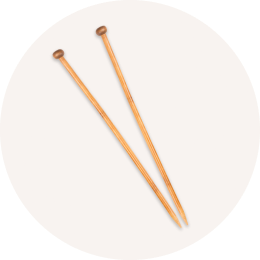
These are starting points, not strict rules. Your personal tension and the specific pattern’s gauge requirements always take priority. If you want to explore hook materials and how they affect your crocheting experience, our post comparing bamboo vs metal needles and hooks dives into that topic for added clarity.
Common Terms in Crochet Hook Sizing Explained
When choosing hooks, you’ll encounter various terms that can confuse even experienced crocheters. Here are some key definitions:
- Hook Size: The diameter of the hook shaft, usually measured in millimeters. This determines the size of the loops you create.
- Gauge: The number of stitches and rows per inch, indicating how tight or loose your fabric is.
- Yarn Weight: The thickness of the yarn, ranging from lace (very fine) to jumbo (very thick).
- Tension: The amount of tightness or looseness in your stitches, controlled by hook size and your hand.
Ready to make your next project this good?
Mrs. Quilty delivers a complete quilting project to your door every month — pre-coordinated fabric, tools, pattern, and video guidance included. Over 65,000 quilters have started their journey here. Box 1 is designed for exactly where you are right now.
Use LEARN20 for 20% off your first box

Adjusting Your Hook Size As You Gain Confidence
Once you’ve found a hook size that works, don’t be afraid to experiment. As you become more comfortable with your tension and style, you might find using a slightly different hook size gives your projects a unique texture or drape. Seasonal projects also affect your choice—warmer garments might benefit from a looser fabric, so a bigger hook works well.
Remember, the tools you use should make crocheting enjoyable, not stressful. If you find a hook shape or material that reduces hand fatigue, switching can improve your overall experience. And if you’re unsure about your yarn choice or gauge, checking out our beginner crochet essentials post will help you make smarter decisions from the start.
Closing Thoughts
Choosing the right crochet hook size isn’t about memorizing charts or sticking rigidly to yarn labels—it’s about understanding how hook diameter affects your stitch tension and fabric feel. This knowledge makes your crafting smoother and your finished projects more satisfying. Testing gauge swatches and adjusting hook size based on your style are simple steps that bring big results.
With this crochet hook size guide in hand, you can approach any project with confidence, knowing you’re equipped to pick the perfect hook. If you ever feel toolkit anxiety creeping in, remember that clarity comes from practice and experimentation, not guesswork. Hooks & Needles is here to help you navigate these choices with thoughtfully designed subscription boxes that include the right hook for your project—no guessing involved.
Embrace your creativity with the right tools and enjoy the rewarding journey of crochet one stitch at a time.
FAQ
What size crochet hook should a beginner use?
Beginners usually find a medium-sized hook around 5.0 mm (US H/8) easiest to handle, paired with worsted weight yarn. This size offers good stitch visibility and manageable tension.
How do I know if I’m using the right crochet hook size?
Make a gauge swatch and compare your stitches per inch to the pattern’s recommendation. If your fabric is too tight or stiff, try a larger hook; if too loose and floppy, try a smaller one.
Can I use different crochet hook sizes for the same yarn?
Yes, depending on your project and desired fabric texture, you can adjust hook size. Smaller hooks create tighter stitches; larger hooks produce looser, drapier fabric.
What’s the difference between US and metric crochet hook sizes?
US sizes use letters and numbers, which can vary by manufacturer, while metric sizes measure the hook diameter in millimeters and are more consistent across brands.
Where can I find the right crochet hook for my project?
Every Hooks & Needles box includes the right hook for your project, so you don’t have to guess. Subscription boxes deliver curated tools and yarn straight to your door.