Quick Summary
If you want a chunky crochet throw blanket that looks bold instead of bulky, the real trick is matching the yarn weight, hook size, and your tension before you start. By the end, you’ll know how to choose a yarn and hook pairing that gives you a fast-finishing oversized crochet throw with drape, texture, and a clean edge instead of a stiff square. If you keep getting halfway through big projects and wondering why they feel heavy, awkward, or slow, this is for you.
You probably do not need another blanket pattern that looks gorgeous in a photo and turns into a wrestling match on your lap. What you need is a clear starting point: which yarn will actually feel chunky without becoming a brick, which hook size gives you speed without losing shape, and how to keep the fabric soft enough to drape over a couch instead of standing up on its own. That is the difference between a project you finish proudly and one you keep “almost done” for months.
The good news is that a chunky crochet throw blanket does not have to be complicated to get right. In fact, the biggest wins usually come from a few simple choices made before the first chain. If you understand yarn weight, hook size, and tension in plain English, the rest gets much easier. You can make a jumbo yarn blanket that feels modern and intentional, not accidental. And if you are still building confidence with stitch control, it helps to compare this kind of project with smaller wins like the ones in our small crochet projects for beginners post, because those early habits carry straight into bigger blankets.
One thing worth saying clearly: a chunky throw is not automatically better just because the yarn is thicker. Some bulky yarns are soft but fuzzy, some are dense and heavy, and some look impressive in the skein but behave badly once they are worked up. The goal here is not to chase size for its own sake. It is to build a blanket that feels easy to make, comfortable to use, and satisfying to finish. That means choosing materials with intention, not just grabbing the thickest skein on the shelf.
Chunky Crochet Throw Blanket Yarn Choices That Actually Work
The yarn you choose controls almost everything about the final blanket: how fast it grows, how warm it feels, how much it weighs, and whether the stitches show clearly. For a chunky crochet throw blanket, you usually want bulky or super bulky yarn, but that label alone does not tell the full story. Some bulky yarns are airy and springy, while others are tightly spun and denser. A bulky yarn with some loft will make your throw look plush without becoming stiff. A super bulky yarn can give you that oversized crochet throw look quickly, but it may need a lighter stitch pattern to avoid feeling too rigid.
Here is the plain-English version of yarn weight: it is simply how thick the strand is. Thicker yarn usually means faster progress, but it also means fewer stitches per inch and a heavier finished fabric. That is why a jumbo yarn blanket can be wonderful for a statement piece and frustrating for a couch throw if the yarn is too dense. If you want softness and movement, look for yarn that has a little bounce. If you want a bold, modern look with visible texture, a smoother super bulky yarn may be the better choice. When in doubt, make a small swatch first so you can see how the yarn behaves in your hands.
Fiber matters too. Acrylic is often the easiest option for a first oversized throw because it is affordable, washable, and widely available. Wool adds warmth and elasticity, which can be lovely if you want a cozy winter blanket. Cotton is sturdy and breathable, but in chunky weights it can feel heavier than expected. Blends often give you the best of more than one fiber, which is why they are worth paying attention to. If you are deciding between options, think about where the blanket will live, how often it will be used, and whether you want a soft drape or a more structured finish.
How to Pick the Right Hook Size for Speed and Drape
Hook size is where a lot of chunky blanket projects go sideways. Too small, and your stitches become tight, the fabric loses softness, and the blanket takes longer than it should. Too large, and the stitches can look loose and uneven, especially if your tension already runs relaxed. The sweet spot is usually a hook larger than the yarn label suggests if you want more drape, or the recommended size if you want a denser, warmer fabric. For a chunky crochet throw blanket, that little adjustment can be the difference between “beautifully cozy” and “why does this feel like cardboard?”
Tension is the pressure you naturally hold on the yarn while crocheting. If you crochet tightly, you may need a larger hook to keep the blanket supple. If you crochet loosely, you may need to stay closer to the yarn label recommendation so the stitches do not spread too much. This is why swatching matters even when you are making a throw and not a fitted garment. You are not chasing perfection; you are checking feel. Work a small square in your chosen stitch, then hold it up, drape it over your arm, and see whether it looks soft and balanced. If it feels stiff, go up a hook size. If it looks holey or sloppy, go down one.
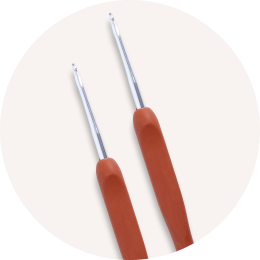
The hook material also changes the experience more than people expect. Aluminum hooks tend to glide quickly, which is useful when working with thick yarn. Wooden or ergonomic hooks can be easier on the hands during longer sessions, especially with a heavy jumbo yarn blanket. If your hands get tired fast, comfort matters as much as size. A project that should feel fast can drag if the hook fights you. For many crafters, the best setup is not the fanciest one, but the one that lets the yarn move smoothly while keeping the stitches even.
Best Stitches for an Oversized Crochet Throw
If you want the blanket to move quickly, choose stitches that let the yarn do the visual work. Single crochet gives a dense, tidy fabric, but it can be slow in chunky yarn because every stitch takes more time. Half double crochet is a strong middle ground: it grows faster, has a little more height, and still looks clean. Double crochet works up even faster and gives a lighter fabric with more drape, which is often a smart choice for an oversized crochet throw meant for the sofa rather than deep winter use. The stitch you choose should match the mood you want, not just the speed you want.
Texture matters too. A simple stitch pattern often looks best with chunky yarn because the yarn already brings visual weight. If the yarn is highly textured, keep the stitch pattern simple so the fabric does not become busy. If the yarn is smooth and plain, a ribbed or alternating stitch can add interest without slowing you down too much. The key is not to overcomplicate the surface. Big yarn already makes a statement. You do not need a complicated stitch pattern fighting for attention.
Chain spaces can also help a blanket feel lighter. A stitch pattern with a little openness can keep a chunky throw from feeling too dense, especially if you are using a heavier fiber. Just remember that more open stitches usually mean less warmth. That is not a flaw; it is a choice. If this blanket is meant to be decorative and draped over furniture, open texture works beautifully. If it is meant to be the one everyone grabs on a cold night, you may want a tighter stitch and a slightly smaller hook than you would use for a decorative throw.
Common Mistakes and Fixes When Making a Chunky Blanket
The most common mistake is assuming all thick yarn behaves the same. It does not. Two skeins with the same weight label can create very different results because of fiber, twist, and loft. If your blanket feels too stiff, the fix is usually not to abandon the project. Try a larger hook, a looser stitch, or a different yarn with more softness and bounce. If the fabric feels floppy or uneven, the answer may be the opposite: a slightly smaller hook or a more structured yarn. Most “bad” blanket outcomes are really just mismatched materials, not bad crocheting.
Another frequent issue is underestimating how much yarn a chunky crochet throw blanket uses. Thick yarn grows fast, but it also disappears fast. If you do not check yardage before starting, you can end up with a blanket that is smaller than planned or a color that is no longer available when you need more skeins. The fix is simple: buy enough yarn from the same dye lot if possible, and keep the project size realistic. A statement throw does not need to be bed-sized to make an impact. In fact, a well-proportioned couch throw often looks better than an oversized blanket that overwhelms the room.
Uneven edges are another headache, especially with bulky yarn because mistakes show up quickly. Count your stitches often, especially at the ends of rows, and mark your first and last stitches if needed. If your blanket starts curling, that usually means the stitch height, hook size, or tension is off. If it waves, the fabric may be too loose. These are fixable issues. You do not need to start over at the first sign of trouble. You just need to notice the fabric early enough to adjust before the problem gets bigger.
Ready to make your next project this good?
Mrs. Quilty delivers a complete quilting project to your door every month — pre-coordinated fabric, tools, pattern, and video guidance included. Over 65,000 quilters have started their journey here. Box 1 is designed for exactly where you are right now.
Use LEARN20 for 20% off your first box

Pro Tip for a Faster, Better-Looking Finish
If you want the blanket to look polished without adding extra work, keep the edge treatment simple from the beginning. A clean border can make even the easiest stitch pattern look intentional. One row of single crochet around the whole blanket, or a few rounds of a simple edging, is often enough. This matters more with chunky yarn than with finer yarn because the edges are more visible and the fabric has more body. A neat border also helps the throw lie flatter, which gives the whole piece a finished look even when the main body is very simple.
Another useful trick is to test your yarn and hook combo before committing to a full-size project. Make a swatch at least the size of your hand, then wash or block it if the fiber will be washed later. Blocking means gently shaping the finished piece so the stitches settle into place. With chunky yarn, blocking may be as simple as laying it flat and letting the fabric relax. This tiny step gives you a much better sense of the final drape than a quick look at the skein ever will. It is the kind of habit that saves time later.
If you like trying new yarns and want ideas that make sense for real projects, the crochet subscription variety post is helpful for seeing how different yarns and project styles can guide your next make. That kind of comparison makes it easier to choose materials with confidence instead of guessing from labels alone. When your materials match your goal, the whole project feels calmer from the first row to the last.
Closing Thoughts
The easiest way to make a chunky crochet throw blanket look expensive is not to make it more complicated. It is to choose yarn with the right amount of loft, pair it with a hook that supports drape, and keep the stitch pattern simple enough for the yarn to shine. Once those pieces line up, the project stops feeling like a gamble and starts feeling like a plan. That is what turns a big blanket from a “maybe someday” idea into something you can actually finish and use.
If you have been stuck because chunky projects feel unpredictable, take that as a sign to slow down at the setup stage, not the making stage. A good swatch, a sensible hook size, and a yarn that suits the blanket’s purpose will save you from most of the frustration people blame on crochet itself. The craft is not the problem; mismatched materials usually are. Once you know what to look for, you can make a throw that feels cozy, looks intentional, and works in the space you already have.
If you want more clear project ideas, yarn guidance, and modern patterns that help you finish with confidence, Hooks & Needles is here for that kind of steady support. Sometimes the best next step is just choosing one project that teaches you something useful and feels good to make.
FAQ
What is the best yarn for a chunky crochet throw blanket?
A bulky or super bulky yarn with some softness and loft is usually the best place to start. Acrylic blends are practical, wool adds warmth, and smoother yarns often show stitch texture more clearly.
What hook size should I use for chunky yarn?
Start with the yarn label recommendation, then adjust based on your tension and the drape you want. If the fabric feels stiff, go up a hook size; if it feels too loose, go down one.
How much yarn do I need for an oversized crochet throw?
It depends on the yarn weight, stitch pattern, and blanket size, but chunky throws use more yarn than people expect. Check the yardage before you start so you can buy enough from the same dye lot.
Why does my chunky blanket feel stiff?
Stiffness usually comes from a hook that is too small, tight tension, or a dense yarn fiber. Try a larger hook, a looser stitch, or a yarn with more bounce and drape.
Do I need a special stitch for a jumbo yarn blanket?
No special stitch is required. Simple stitches like half double crochet or double crochet often work best because they let the yarn create the visual impact without slowing you down.