Quick Summary
If your crochet pouf keeps slumping, stretching, or looking lumpy no matter how carefully you stuff it, the problem is usually shaping, not your stitching. This crochet floor pouf tutorial walks you through the parts that matter most: choosing the right yarn, keeping your tension steady, and stuffing the pouf so it stays firm instead of collapsing. If you want a floor cushion that looks intentional and actually holds up in daily use, this is for you.
You can crochet a beautiful pouf and still end up with something that looks tired the first time someone sits on it. That usually happens because the project was treated like a decorative pillow when it really needs to behave more like soft furniture. The good news is that a sturdy pouf is not about complicated stitches or perfect crochet skills. It is about making a few smart decisions early, especially around yarn weight, stitch density, and what goes inside the cover. Once those pieces make sense, the rest feels much more manageable.
This is also the kind of project that punishes guessing. If the stitches are too loose, the stuffing shifts. If the cover is too small, it bulges in odd places. If the filling is too soft, the pouf slowly collapses into a sad cushion. A solid crochet floor pouf tutorial should answer the real questions: how tight should the stitches be, what kind of stuffing works best, and how do you shape the piece so it looks full without feeling overpacked? That is exactly where we are starting.
If you have already made a few home décor projects and want something that feels useful as well as pretty, this is a satisfying next step. A pouf can serve as extra seating, a footrest, or a casual side table with a tray on top, but only if it keeps its structure. That means we are not just talking about the crochet pattern itself. We are talking about the inside, the edges, and the kind of finish that makes the whole thing look finished instead of improvised.
What makes a crochet floor pouf sturdy
A sturdy pouf starts with density. In plain English, that means the stitches sit close together so the fabric has enough body to contain the filling without sagging. Most people think the stuffing is doing all the work, but the crocheted cover is actually the frame. If the cover stretches too easily, the pouf will never look crisp, even if you cram it full. For that reason, a crochet pouf pattern usually works best with a firm stitch like single crochet, worked with a hook that creates a tight fabric rather than a drapey one.
Yarn choice matters just as much. Bulky or super bulky yarn gives the pouf thickness quickly, which helps it feel substantial and speeds up the project. Cotton blends can be a smart choice if you want a cleaner finish and less stretch, while very soft acrylics can work if the stitch density is tight enough. What matters most is not the label alone but how the yarn behaves once it is worked. If you already like making a chunky crochet throw blanket, you probably already know that thick yarn can create a polished look fast, but the same yarn still needs structure when it is meant to hold weight.
The shape itself also affects stability. Many poufs are worked in panels, rounds, or large flat pieces that are joined and then stuffed. The exact method can vary, and that is fine. What is not optional is consistency. Uneven increases, skipped stitches, or loose joins can create weak spots that show up later as dips or bulges. If your goal is a stuffed floor cushion crochet project that looks balanced from every angle, the fabric has to be even before the stuffing ever goes in.
Choose the right materials before you start
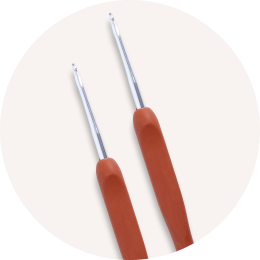
Picking materials first saves a lot of frustration later. For most floor poufs, a sturdy yarn in a bulky weight is the safest starting point because it gives you a thicker fabric without requiring endless rows. You will also want a hook size that helps you keep the stitches close, not airy. If the yarn band suggests several hook sizes, choose the smaller end if your tension tends to be loose. That one choice often makes the difference between a pouf that stands up and one that spreads out like a tired beanbag.
Stuffing is where many projects go wrong. Polyester fiberfill is soft and easy to use, but by itself it can shift around inside a large pouf unless it is packed firmly and evenly. Foam pieces, old pillow inserts, or a mix of filling types can give better support for a floor pouf because they resist flattening. Some makers also use a washable inner form or a tightly packed center to help the pouf keep its shape. The key is to think in layers: you want enough softness for comfort, but enough resistance that the pouf springs back after use.
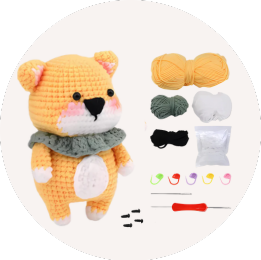
If you are still learning how different materials behave, it can help to make smaller projects first. A project like amigurumi for beginners teaches the same idea in miniature: tight stitches, controlled stuffing, and shaping that depends on consistency. The scale is different, but the logic is the same. Once you understand how stuffing affects form in a small piece, it becomes much easier to handle a larger one without overfilling or leaving soft spots.
Want every project pre-planned for you?
Each Mrs. Quilty box arrives with 17+ handpicked items valued at over $90 — coordinated fabric, notions, an exclusive pattern, and step-by-step video tutorials. No decisions, no guesswork. Just open the box and quilt.
Use LEARN20 for 20% off your first box

How to stuff and shape the pouf so it holds firm
Stuffing a pouf is less like filling a pillow and more like building a shape from the inside out. Start by adding filling in small amounts and pressing it into the corners or edges before adding more. This helps avoid the common problem of a round outer shell with a hollow center. If you stuff too quickly, the outside may look full while the middle slowly caves in. A firmer center gives the pouf a more reliable base, especially if it will be used as seating or a footrest.
Shape matters as much as fullness. As you add stuffing, pause often and smooth the cover with your hands so the sides stay even. If your pattern includes a top and bottom, make sure both ends are equally supported so the pouf does not lean to one side. If the cover is closing with a seam or drawstring, do not wait until the end to check the fit. Test the shape as you go. A pouf that looks slightly underfilled before closure can still become perfectly firm once the final stitches are in place, but one that is overstuffed early often ends up distorted.
There is a difference between firm and hard. Firm means the pouf resists collapsing but still gives a little when you sit on it. Hard means it feels packed and uncomfortable. You want the first one. If you press down and the pouf rebounds slowly, that is usually a good sign. If it feels like a drum, you may have gone too far. The best stuffed floor cushion crochet projects feel balanced: stable enough to hold form, soft enough to use every day.
Common mistakes and the fixes that actually help
The most common mistake is using loose tension and hoping stuffing will hide it. It will not. Loose stitches create gaps, and gaps let the fill shift around. The fix is simple, though not always fast: use a smaller hook, slow down, and check your fabric before you go too far. Another common problem is filling the pouf unevenly. People often push stuffing into the center and forget the edges, which leaves the sides soft and the top oddly domed. Instead, work in layers and keep redistributing the fill as you go.
Another issue is choosing stuffing that is too soft for the job. A lightweight fill can work for a throw pillow, but a floor pouf needs more resistance. If your pouf keeps sinking after a few uses, add denser material in the center or combine fill types for better structure. If the outer fabric stretches over time, that is usually a sign the yarn or hook choice created too much give. In that case, the fix is not more stuffing. It is a tighter fabric next time, which is why the crochet pouf pattern should be treated as part stitch plan, part structure plan.
One last mistake is closing the opening too soon. It is tempting to finish when the shape looks close enough, but the final few handfuls of stuffing often make the difference between “pretty good” and “actually polished.” Leave yourself enough room to adjust. If you are unsure, stop, sit the pouf upright, and look at it from a distance. You will spot dips and bulges more easily that way than you will with your hands pressed into the fabric.
Pro tip
Before you close the last seam, roll the pouf gently on the floor and press around the sides with both hands. That quick check reveals soft spots, hidden gaps, and uneven stuffing better than staring at it from above. If one side feels flatter, add fill there before finishing. This tiny pause can save you from reopening the project later, which is much easier than trying to fix a lopsided pouf after the fact.
Finishing details that make the pouf look intentional
The last step is not just about hiding the opening. It is about making the whole piece look deliberate. A neat seam, even edge treatment, and consistent surface texture all tell the eye that the pouf was made with care. If your pattern includes visible shaping, keep those lines symmetrical. If it is more textured, make sure the texture is even all the way around so no one side looks more compressed than the other. Small finish choices matter more on a large home décor project because the surface area gives every mistake room to show.
If you want the pouf to work as both décor and utility, think about placement and use before you call it finished. A pouf near a sofa may need a slightly firmer fill than one used only for display. A pouf in a family room should be easy to move, stable enough to sit on, and durable enough to handle repeated use. Those practical details are what turn a nice handmade item into something people actually reach for. That is the point of a good crochet floor pouf tutorial: not just making something round, but making something dependable.
When you get the structure right, the project becomes much more satisfying. You are no longer guessing whether the stuffing is enough or whether the shape will hold. You know what the fabric is supposed to do, how the fill supports it, and when to stop. That confidence is what makes the finished pouf feel worth the time.
Closing Thoughts
A sturdy pouf is really a lesson in balance. The stitches need enough density to hold the filling, the stuffing needs enough support to keep the shape, and the finish needs enough care to make the whole piece feel intentional. Once you understand those three parts, the project stops feeling mysterious. You are no longer trying to make a random cushion; you are building a soft structure that can handle real use.
If your first attempt is not perfect, that does not mean the idea failed. It usually means one part of the structure needed adjusting, and now you know which part to change next time. That is the useful kind of progress: specific, fixable, and easy to build on. For more patterns, yarn guidance, and clear project ideas that take the guesswork out of making, Hooks & Needles is always here when you want a calmer way to plan your next make.
FAQ
What yarn works best for a crochet floor pouf?
Bulky or super bulky yarn usually works best because it creates a thicker fabric faster. A yarn with less stretch is helpful if you want the pouf to keep its shape over time.
Should I use fiberfill or foam for stuffing?
Fiberfill is soft and easy to shape, but foam or a mixed stuffing often gives better support for a floor pouf. If the pouf will be sat on often, firmer filling is usually the better choice.
How do I keep the pouf from getting lumpy?
Add stuffing in small amounts and smooth it out as you go. It also helps to pack the center firmly first, then fill the outer areas so the shape stays even.
Can I make this project with a loose stitch?
You can, but a loose stitch usually makes the pouf less stable. A tighter fabric gives the stuffing something solid to push against, which helps the pouf hold its shape.
How firm should a crochet pouf be?
Firm enough that it springs back after you press it, but not so firm that it feels hard. You want support with a little give, especially if it will be used as a footrest or extra seat.