Quick Summary
You’ve probably felt the frustration of uneven stitches or sore hands just minutes into crocheting, wondering if you’re holding your crochet hook the right way. By the end of this post, you’ll understand the two main grip styles, how your tension affects stitch consistency, and exactly how to hold your hook for smoother, more relaxed crocheting. If you’ve been searching for straightforward advice to improve your crochet grip and tension, this is exactly what you need.
Why Your Crochet Hook Grip Matters More Than You Think
If you’re new to crochet, you might think the way you hold your hook is just a personal preference or something that will “just happen” over time. But the truth is, how you hold your crochet hook can make a big difference in your comfort and the quality of your stitches. A poor grip can lead to hand fatigue, inconsistent tension, and uneven stitches that make your project look sloppy or harder to finish. Understanding the right grip isn’t about forcing yourself into a rigid position but finding a way that feels natural yet controlled.
Let’s face it: tension control is one of the biggest hurdles for new crocheters. Too tight, and your work becomes stiff and difficult to work into; too loose, and your stitches look loose and uneven. The right hook grip helps you maintain consistent tension without strain, so you can crochet longer and finish projects that look as good as you imagined. We’ll also clear up the confusion around the two main grip styles — pencil and knife hold — so you can pick what suits you best.
How to Hold Crochet Hook: Pencil Grip vs Knife Grip
There are two popular ways to hold a crochet hook, each with its own benefits and comfort level: the pencil grip and the knife grip. The pencil grip involves holding the hook like a pencil, with your thumb and index finger near the hook head, allowing for delicate control and fine movements. The knife grip resembles holding a butter knife, where your palm faces down and the hook lies along your fingers. Both grips are widely used by crocheters worldwide, but your choice depends on what feels natural and what gives you better control.
Many beginners find the pencil grip easier because it mimics writing, which feels familiar and allows subtle tension changes. On the other hand, the knife grip can provide more power and speed for some people but may require more practice to keep tension steady. Neither grip is “wrong” or “right” — it’s about what minimizes hand strain while helping you keep even tension. If you want to experiment, try both grips with a simple chain stitch and see which feels less tiring after a few minutes.
To see clear visual guidance on these grips and how they affect your tension, check out our detailed crochet learning resources. These step-by-step visuals help you feel confident from the start.
Controlling Crochet Tension: Why It’s the Key to Consistency
Tension is the amount of stretch or looseness in your yarn as you work your stitches. It’s what determines how tight or loose your finished fabric looks and feels. Inconsistent tension creates uneven stitches, which can make even the simplest pattern look off. Holding your crochet hook correctly supports better tension by giving you control over how the yarn feeds through your fingers.
Beginners often struggle with tension because they don’t have a system for holding the yarn and hook together. The yarn should flow smoothly but not slip wildly. Typically, your non-dominant hand controls the yarn tension by wrapping the yarn around your fingers in a way that feels balanced. Meanwhile, your dominant hand holds the hook with a grip that allows quick yet precise movements. Experimenting with finger placement on the yarn can help you find a tension that’s firm but flexible.
If tension is feeling off, try slowing down and consciously relaxing your hands. Tight muscles lead to tight stitches. Taking breaks and stretching your fingers can make a huge difference in your stitch quality and overall enjoyment.
Common Mistakes + Fixes
- Gripping the hook too tightly: This causes hand fatigue and stiff stitches. Loosen your grip slightly to allow fluid movement.
- Inconsistent yarn tension: Your yarn should flow around your fingers smoothly. Practice wrapping the yarn around your pinky or index finger to control tension better.
- Holding the hook awkwardly: If you feel wrist pain or discomfort, try switching between pencil and knife grip to find a more comfortable position.
Pro Tip
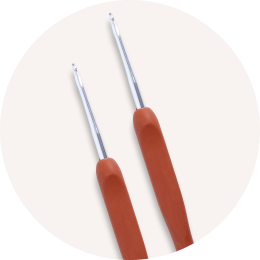
Try holding your hook at a slight angle rather than perfectly straight. This small adjustment can reduce wrist strain and help the hook slide through stitches more smoothly. Also, using ergonomic crochet hooks with cushioned handles can make a big difference if you crochet frequently.
Ready to make your next project this good?
Mrs. Quilty delivers a complete quilting project to your door every month — pre-coordinated fabric, tools, pattern, and video guidance included. Over 65,000 quilters have started their journey here. Box 1 is designed for exactly where you are right now.
Use LEARN20 for 20% off your first box

How Grip Affects Your Stitch Consistency
Consistency in crochet comes down to how evenly you control your yarn and hook movement. When your grip is steady and comfortable, your stitches will naturally turn out more uniform. If your grip shifts or your hand tightens and loosens erratically, your stitches will reflect that, creating a bumpy or uneven fabric. This is why many crocheters recommend focusing on grip early in your learning process.
Another important term is “gauge,” which means the number of stitches and rows per inch in your finished piece. Gauge depends heavily on your tension and grip. If your grip is too tight or your tension inconsistent, your gauge will be off, and your project might end up smaller or larger than expected. To learn more about gauge and how to check it, our crochet hook size guide explains how hook size and tension work together.
Remember, a good grip is not about being rigid but having control. When you feel relaxed and your hook moves fluidly through your stitches, your crochet will reflect that ease and beauty.
Simple Terminology: What You Need to Know
If terms like “tension,” “gauge,” or “hook grip” feel overwhelming, here’s a quick rundown. Tension is how tight or loose you hold the yarn as it feeds through your fingers. Gauge is the size of your stitches per inch; it affects how your project fits or drapes. Grip refers to how you hold the crochet hook — pencil grip mimics holding a pen, knife grip is like holding a knife. Understanding these terms helps you communicate your needs better when following patterns or seeking advice.
For example, when a pattern says “maintain even tension,” it means keeping your yarn’s tightness steady so your stitches are consistent. If you feel your stitches are too tight or too loose, adjusting your grip or yarn tension usually fixes it.
Closing Thoughts
Getting comfortable with how to hold a crochet hook is a small but powerful step toward crocheting projects that look and feel great. It’s normal to try different grips and tension techniques before settling on what works best for your hands and style. The key is to stay relaxed, be patient with yourself, and focus on consistent tension rather than perfect form. Over time, the right grip becomes second nature, and your stitches will reflect your growing skill.
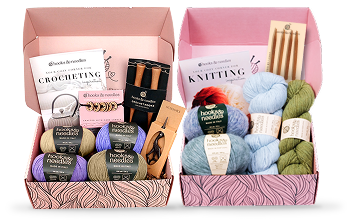
If you ever feel stuck or uncertain, rely on visual guides and step-by-step tutorials—they make the learning curve much gentler. At Hooks & Needles, we believe clear instructions and quality practice materials are what help crafters build confidence quickly. Every Hooks & Needles box includes video tutorials showing exactly how to hold your hook and manage tension, so you can enjoy your crochet journey with ease.
FAQ
What is the best way to hold a crochet hook for beginners?
The best way depends on what feels comfortable: the pencil grip (holding like a pencil) or the knife grip (holding like a knife). Beginners often start with the pencil grip because it's familiar and allows fine control.
How do I control tension while crocheting?
Tension control comes from how you hold the yarn with your non-dominant hand and how loosely or tightly you grip the hook. Wrapping the yarn around your fingers helps you regulate tension consistently.
Can changing my crochet hook grip improve my stitches?
Yes. Changing your grip can reduce hand strain and help you maintain more even tension, which leads to better stitch consistency and a more comfortable crocheting experience.
What should I do if my stitches are too tight or too loose?
Try relaxing your grip on the hook and adjusting how you hold the yarn. Slowing down your stitching pace and practicing tension control techniques can help regulate stitch size.
Where can I find visual tutorials on holding a crochet hook?
Hooks & Needles provides video tutorials in every subscription box, showing how to hold your crochet hook and manage tension clearly and confidently.