Quick Summary
If you’ve ever stared at a cables or lace knitting pattern and felt your confidence slip, you’re not alone. Tackling these advanced techniques can feel overwhelming without clear steps or the right support. By the end of this post, you’ll understand how to learn cables and lace knitting in manageable stages, with practical tips for avoiding common pitfalls and realistic time expectations. This is for knitters ready to move beyond basics without the frustration.
Why Cables and Lace Feel Intimidating at First
It’s easy to feel stuck when you first encounter cables or lace knitting patterns. These techniques demand attention to detail, counting stitches, and sometimes working with multiple needles or yarn overs. Unlike straightforward stitches like knit or purl, cables require crossing stitches to create textured twists, and lace incorporates deliberate holes made by yarn overs paired with decreases. This complexity can stall your progress and shake your confidence if you don’t have a clear learning path.
However, breaking these techniques into smaller, achievable steps transforms them from intimidating puzzles into rewarding challenges. Knowing exactly which skills to build first and how long each step should take helps you measure progress and stay motivated. Plus, learning with the right tools and support keeps frustration at bay, which is critical when tackling advanced knitting techniques.
If you’ve been searching for a way to learn cable knitting beginner tips or want a straightforward lace knitting guide that doesn’t overwhelm, you’re in the right place to build on your knitting journey.
Step-by-Step Breakdown for How to Learn Cables Lace Knitting
Start with cables—these are often easier to grasp because you’re mainly manipulating knit stitches in a new way. Begin by practicing small cable patterns using a cable needle or even by holding stitches on a spare needle. Simple 4-stitch cables can be done in about 30 minutes once you understand the crossing motion. Label this “easy” difficulty, as it mostly involves knit stitches and no increases or decreases.
Once comfortable, move on to more complex cables that combine knit and purl stitches within the cables themselves. This adds texture and interest but requires careful attention to stitch counts and pattern repeats. Expect these to take longer, as you’ll need to slow down and count often — plan for 1-2 hours per practice swatch. This “intermediate” stage builds essential muscle memory.
Lace knitting is a different skill set. It involves creating intentional holes with yarn overs and balancing decreases like knit two together (k2tog) or slip slip knit (ssk) to maintain stitch count. Start with basic lace patterns such as simple eyelets or feather-and-fan motifs. These usually take about 45 minutes for a practice swatch once you’re steady with yarn overs and decreases. Mark this as “intermediate” difficulty.
As you progress, combine lace patterns with cables for advanced projects. These take patience and practice, with swatches requiring 2+ hours depending on complexity. This level is for knitters ready to challenge themselves with full textured lace cable shawls or sweaters.
Common Mistakes + Fixes
- Skipping stitch markers: Without markers, it’s easy to lose track of pattern repeats. Use markers to divide sections and reduce counting errors.
- Ignoring gauge: Both cables and lace change fabric tension. Swatching is crucial to avoid surprises in finished size.
- Forgetting to count rows: Keep a notebook or row counter to track where you are—especially important in lace where rows have different stitch manipulations.
- Dropping stitches in cables: Use lifelines (a scrap yarn threaded through a row) so you can rip back safely if a dropped stitch occurs.
Pro Tip: Choose the Right Needles and Yarn
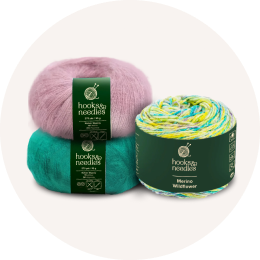
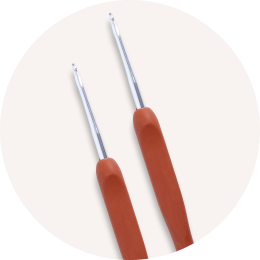
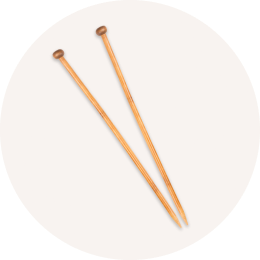
Your needle size and yarn weight affect how cables and lace show up. For cables, smooth yarns in medium weights and needles from US 6-8 (4–5 mm) help stitches cross cleanly. For lace, finer yarns and smaller needles (US 4-6) showcase openwork best. If you’re curious about needle choices, this comparison of bamboo vs metal needles can help you pick what suits your knitting style and project.
How a Subscription Box Can Help You Learn Cables and Lace Knitting
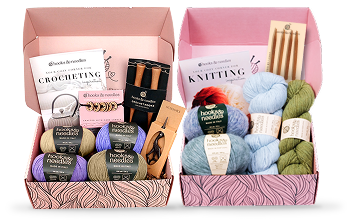
If you’ve felt overwhelmed trying to learn cables or lace from books or random YouTube videos, a knitting subscription box focused on skill-building might be just what you need. These boxes curate patterns designed to gradually introduce new techniques with clear instructions and video tutorials. They remove the guesswork around yarn selection and needle sizes, so you can focus on practicing stitches confidently.
Each project in a subscription box is paced to build your skills without burnout. You’ll receive support for both cables and lace knitting, with difficulty levels matched to your current ability. The step-by-step guidance and repeat practice within the box’s projects make it easier to retain new skills and finish beautiful items you’re proud of. This approach is perfect if you want to learn cable knitting beginner projects and progress toward advanced lace without the overwhelm.
Plus, having everything pre-selected for you means less time hunting for the right materials and more time knitting. This saves frustration and keeps motivation high, especially when trying new stitches that require focus and patience.
Ready to make your next project this good?
Mrs. Quilty delivers a complete quilting project to your door every month — pre-coordinated fabric, tools, pattern, and video guidance included. Over 65,000 quilters have started their journey here. Box 1 is designed for exactly where you are right now.
Use LEARN20 for 20% off your first box

Balancing Patience and Practice with Technique Complexity
It’s important to set realistic expectations when learning cables and lace. These aren’t stitches you can master in a single afternoon. They require repeated practice swatches and patience with mistakes. But every knitter who’s now confident with cables or lace started exactly where you are: uncertain and a little overwhelmed.
By dedicating regular, focused time to practice, you’ll notice your tension stabilizing and counting becoming second nature. Remember that cables tend to tighten fabric, so adjusting gauge is part of the learning process. Lace, on the other hand, encourages a lighter tension to show off the openwork. Balancing these effects takes time but is rewarding when you see your projects come alive.
If you want to deepen your knowledge beyond cables and lace, there are many advanced knitting technique tutorials available that can help you explore textures, colorwork, and shaping. But mastering cables and lace first lays a solid foundation for all these exciting skills.
Closing Thoughts
Learning cables and lace knitting can feel daunting, but it doesn’t have to be. Breaking the techniques into small, manageable steps and allowing yourself time for practice will build your confidence steadily. With patience and the right guidance, those complicated patterns will become much more approachable.
Remember, choosing suitable yarns and needles and using helpful tools like stitch markers and lifelines can make a huge difference in your knitting experience. If you want a supportive way to learn these techniques without the overwhelm, consider a subscription box that delivers curated projects with clear instructions and video help.
Knitting is a journey, and every stitch you make brings you closer to mastering cables, lace, and beyond. Keep practicing, stay curious, and enjoy the process. Hooks & Needles is here to support you every step of the way.
FAQ
What is the best way to start learning cable knitting?
Begin with simple cable patterns that use just a few stitches and a cable needle. Practice small swatches focusing on crossing stitches, and use stitch markers to track repeats. Starting with a beginner-friendly cable pattern helps build confidence before moving to complex designs.
How do I avoid mistakes when knitting lace patterns?
Counting rows carefully, using stitch markers, and knitting slowly help prevent common lace mistakes. Practice basic yarn overs and decreases separately before combining them in lace patterns. Lifelines are also useful for safely ripping back if you drop stitches or lose your place.
Are knitting subscription boxes helpful for learning new techniques?
Yes, subscription boxes that focus on skill-building provide curated yarn, needles, and patterns designed to teach techniques step-by-step. They remove guesswork and often include video tutorials, making it easier to learn cables, lace, and other advanced skills without feeling overwhelmed.
How long does it usually take to learn cables and lace knitting?
Simple cable patterns can be learned in about 30 minutes to an hour with practice, while lace knitting often takes longer—around 45 minutes to a few hours per swatch depending on complexity. Consistent practice over several weeks builds mastery.
What needle sizes and yarn weights work best for cables and lace?
Cables usually look best with medium-weight yarns and needles sized US 6-8 (4-5 mm), while lace benefits from finer yarns and smaller needles, such as US 4-6. Choosing smooth yarns helps stitches stand out clearly for both techniques.