Quick Summary
You want to learn how to knit but feel overwhelmed by where to begin or what to focus on first. By following a clear, structured plan covering essential skills like casting on, knit and purl stitches, and reading patterns, you’ll confidently finish your first projects. If you’ve searched “how to learn to knit beginners” because you want an easy, reliable path without confusion, this is for you.
Why Starting to Knit Feels Harder Than It Should
If you’re staring down a ball of yarn and needles wondering how to even hold them or where to begin, that’s completely normal. Knitting looks simple but getting started can feel like decoding a foreign language. Without a clear sequence, it’s easy to get frustrated with dropped stitches or confusing pattern abbreviations. Many beginners give up before they truly get the hang of it, simply because they tried to learn too many things at once.
The key to knitting success is having a focused, manageable learning plan that builds your skills step by step. Rather than jumping straight into complex patterns, you want to master the foundational moves first — casting on, the knit stitch, the purl stitch, and binding off — before you tackle reading patterns or changing yarn weights. This approach builds both muscle memory and confidence, so finishing projects feels achievable and even fun.
If you’ve been searching “how to start knitting” or “learn knitting from scratch,” it’s because you want clarity. You want to avoid the endless YouTube rabbit holes or confusing jargon. This beginner knitting guide lays out a straightforward path so you can start creating with yarn quickly and without overwhelm.
How to Learn to Knit Beginners: The Essential Skills
The absolute first step in knitting is learning how to cast on. Think of casting on as laying the foundation for every stitch you’ll knit. There are many cast-on methods, but the long-tail cast on is a favorite because it’s stretchy and neat. Spend time practicing this until you can do it smoothly without counting or dropping stitches. The goal is to get a row of even loops on your needle, ready to knit into.
Next comes the knit stitch, the backbone of knitting. This stitch forms the fabric’s basic texture and is surprisingly meditative once you get into the rhythm. You’ll learn how to hold the yarn, insert your needle, wrap the yarn, and pull it through the loop. It might feel awkward at first, but steady practice builds muscle memory fast. Once you’re comfortable, introduce the purl stitch — essentially the reverse of knit — which adds texture and pattern possibilities.
Binding off is your last step for finishing a piece. This technique secures your stitches so they don’t unravel. Like casting on, it takes a little practice to get a firm but flexible edge. Once you master these four skills — cast on, knit, purl, bind off — you have the tools to create scarves, hats, or simple blankets.
To make your learning smoother, understanding how to read a basic knitting pattern is crucial. Patterns use abbreviations like “k” for knit or “p” for purl and include instructions on stitch counts and repeats. Starting with simple patterns that use only knit and purl stitches is a great way to apply your new skills in a real project.
If you want a detailed look at the right knitting tools to get started, check out our post on knitting tools for beginners for guidance on needle sizes and yarn weights.
Common mistakes + fixes
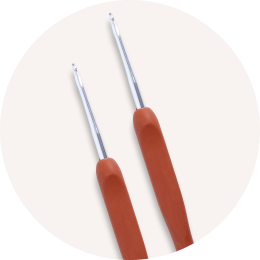
Dropping stitches is a common beginner hiccup that can feel frustrating but is easy to fix. If you notice a dropped stitch, don’t panic — use a crochet hook or your needle to carefully pick it back up before it runs down your work. Counting stitches regularly also helps prevent losing track and keeps your project even.
Another mistake is knitting too tightly, which can make your fabric stiff and hard to work with. Focus on relaxed tension and keep your hands loose. Conversely, knitting too loosely leads to uneven stitches and a floppy fabric. Aim for a comfortable grip that lets your yarn flow smoothly.
Pro tip: Start with worsted weight yarn and medium needles
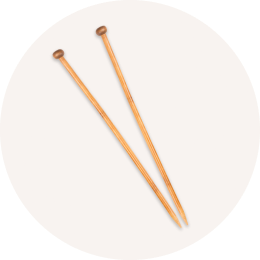
Choosing the right yarn and needles makes a huge difference. For your first projects, pick worsted weight yarn (medium thickness) and size US 8 (5mm) needles. This combo is easy to handle and shows stitches clearly, helping your eyes and fingers follow along. Avoid tiny needles or fancy textured yarns until you’re more confident.
Want every project pre-planned for you?
Each Mrs. Quilty box arrives with 17+ handpicked items valued at over $90 — coordinated fabric, notions, an exclusive pattern, and step-by-step video tutorials. No decisions, no guesswork. Just open the box and quilt.
Use LEARN20 for 20% off your first box

How to Build Confidence and Keep Improving
Once you’ve nailed the basics, the next step is practice through simple projects. Scarves are a classic for a reason — they let you repeat knit and purl stitches over rows and get comfortable with tension and gauge. Gauge means how many stitches and rows fit into a certain space and affects the size of your finished item. Learning to check your gauge early avoids surprises later.
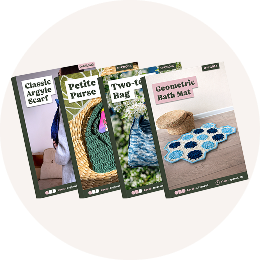
Reading patterns will become easier as you recognize common abbreviations and instructions. Don’t hesitate to start with patterns labeled “easy” or “beginner” and use resources like the Hooks & Needles Skill Path to stay on track. Structured learning plans help you progress logically and avoid frustration.
Remember, knitting is a skill developed over time. Mistakes are part of the process and often lead to better understanding. Celebrate small wins — a neat row, a smooth bind off — and keep your projects fun by picking yarn colors and textures you love.
If you want a curated path to build your skills month by month, see the Hooks & Needles Skill Path. It’s designed to make learning knitting from scratch feel natural and rewarding.
Closing Thoughts
Learning to knit starts with a few foundational skills but blossoms into a rewarding creative experience. By focusing first on casting on, knit and purl stitches, binding off, and reading simple patterns, you’re setting yourself up for success. It’s normal to feel unsure at the start, but each stitch you complete builds your confidence and skill.
The key is steady practice and choosing projects that feel achievable. Avoid jumping into complicated patterns too soon and instead enjoy the rhythm of knitting. When you know what to focus on and have a clear learning path, knitting stops being frustrating and starts being relaxing and fulfilling.
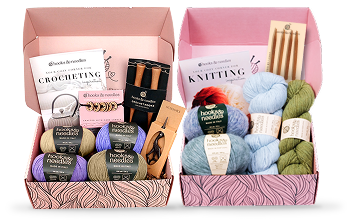
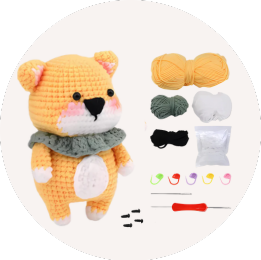
If you want to explore more structured help and curated project kits, Hooks & Needles offers resources and subscription boxes tailored to your pace and style. Knitting is a journey, and with the right support, it’s one you’ll love every step of the way.
FAQ
How long does it take to learn knitting as a beginner?
Most beginners can comfortably knit basic stitches and finish simple projects like scarves within a few weeks of regular practice. Consistency matters more than speed.
What is the easiest stitch to learn first?
The knit stitch is the easiest and most common stitch to start with. Once comfortable, adding the purl stitch opens up more patterns and textures.
Do I need expensive yarn or needles to start knitting?
No. Medium-weight worsted yarn and size US 8 (5mm) needles are affordable, beginner-friendly choices that make learning easier.
How can I avoid dropping stitches when knitting?
Pay attention to each stitch as you work and check your stitch count regularly. If you drop one, use a crochet hook to pick it back up before it unravels.
Where can I find beginner patterns to practice?
Look for patterns labeled “beginner” that use only knit and purl stitches. The Hooks & Needles Skill Path offers curated beginner projects you can follow step by step.