Quick Summary
If knitting patterns feel like a foreign language full of confusing abbreviations and symbols, you’re not alone. By breaking down how to read a knitting pattern step-by-step, you’ll gain the confidence to follow instructions easily and avoid common mistakes. This straightforward approach is perfect for anyone ready to move past pattern frustration and start knitting smoothly.
Why Knitting Patterns Can Feel Overwhelming at First
You’ve got your yarn and needles ready, but then you open a knitting pattern and it feels like a cryptic puzzle. Abbreviations like “k2tog” or symbols in charts can quickly make knitting feel intimidating. That’s a common stumbling block for many knitters, especially since patterns don’t always explain their shorthand clearly. The reality is that each pattern writer might use slightly different abbreviations or chart styles, adding to the confusion.
Getting comfortable with reading knitting patterns takes more than memorizing abbreviations—it means understanding how patterns are structured, how instructions flow, and how charts translate written directions into visual steps. When you grasp these basics, the frustration melts away, replaced by steady progress and the satisfaction of seeing your project take shape exactly as intended.
If you’ve ever felt stuck staring at a pattern wondering what “ssk” or “yo” means or how to follow rows in a chart, this clear explanation will help you decode those instructions and keep you knitting confidently from start to finish.
Breaking Down How to Read a Knitting Pattern
Every knitting pattern has three main parts: the written instructions, the abbreviations, and often a chart. The written section tells you what to do row by row, but it relies heavily on abbreviations to keep things concise. For example, “k” means knit, “p” means purl, and “k2tog” means knit two stitches together. These abbreviations are standardized but can vary slightly, so it’s helpful to keep a knitting pattern abbreviations guide handy.
Charts provide a visual representation of the stitches, showing exactly where to place increases, decreases, or patterns like cables and lace. Reading knitting charts can seem daunting, but once you understand the symbols and how to read rows—right to left on odd rows and left to right on even rows for flat knitting—they become a powerful tool to follow complex stitch patterns without confusion.
Many knitters find it useful to print out a chart key or abbreviation list, so you can reference it as you work. This reduces the chance of guessing or making mistakes that are hard to fix later. Also, don’t hesitate to pause and re-read pattern instructions; knitting is a craft that rewards patience and attention to detail.
Common Mistakes When Reading Knitting Patterns + How to Fix Them
One of the most frequent errors is misreading abbreviations or skipping over pattern notes. For example, “ssk” (slip, slip, knit) might be confused with “k2tog” (knit two together), but they create different shaping effects. Always double-check your abbreviation guide and watch out for pattern-specific instructions or repeats.
Another common issue is misunderstanding chart direction. Many knitters try to read charts left-to-right for every row, but flat knitting charts alternate directions, which can throw off stitch counts and pattern flow. Marking your place with a sticky note or a row counter can help keep track.
Lastly, ignoring gauge or tension instructions can affect how your project fits or looks. While this isn’t strictly about reading the pattern, it’s part of understanding why following instructions carefully matters. If your gauge is off, the pattern’s stitch counts and shaping won’t match your knitting.
Pro Tip: Combine Written Instructions with Charts for Clarity
When you’re new to patterns, use both the written instructions and charts side by side. Sometimes a written row will say “k2, p2” while the chart shows symbols representing those exact stitches. Seeing the same information in two formats reinforces your understanding and helps you catch errors before they happen.
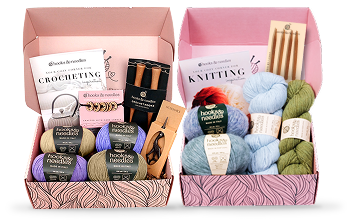
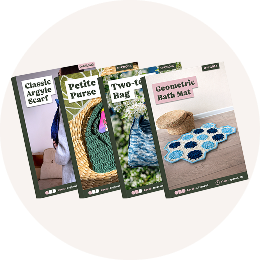
Hooks & Needles patterns come with video tutorials and printed guides so you are never stuck. These resources show you how each abbreviation or chart symbol translates into actual stitches, making the learning curve smoother and more enjoyable.
Key Terms Explained Simply
- Gauge: The number of stitches and rows per inch, which affects the size of your finished item.
- Slip Stitch (sl): Moving a stitch from one needle to the other without knitting it, often used in shaping or colorwork.
- Knit 2 Together (k2tog): A decrease stitch where two stitches are knitted together as one, reducing stitch count.
- Yarn Over (yo): A technique to create an extra stitch, often used to make lace holes.
- Chart Symbols: Visual icons representing stitches; refer to the key for each pattern.
Ready to make your next project this good?
Mrs. Quilty delivers a complete quilting project to your door every month — pre-coordinated fabric, tools, pattern, and video guidance included. Over 65,000 quilters have started their journey here. Box 1 is designed for exactly where you are right now.
Use LEARN20 for 20% off your first box

How to Approach Reading Patterns to Build Confidence
Don’t rush through a pattern. Take time to read each section carefully before you start knitting. Highlight or underline unfamiliar abbreviations and look them up in your knitting pattern abbreviations guide or glossary. Many knitters print out the pattern and annotate their notes in the margins to track repeats or special instructions.
If a chart looks confusing, try knitting a small swatch first using just a few rows. This hands-on practice helps you connect symbols to stitches and builds muscle memory for following charts in bigger projects. Remember, feeling confident with patterns grows with experience and patience.
If you want to improve your knitting skills more broadly, check out our post on how to learn to knit for practical tips beyond just pattern reading. This helps you understand how different stitch techniques come together in patterns.
Closing Thoughts
Learning how to read a knitting pattern is a skill that unlocks countless creative possibilities. Rather than shying away from abbreviations and charts, embracing them with a clear, patient approach transforms your knitting experience into a confident, enjoyable journey. Knowing how each piece of the pattern fits into the bigger picture will help you avoid common pitfalls and finish projects you’re proud of.
It’s perfectly normal to feel overwhelmed at first, but with steady practice and the right resources, the mystery behind knitting patterns fades quickly. Hooks & Needles is here to support you with thoughtfully designed patterns that include video and printed guides, so you’re never left guessing what to do next.
Keep knitting, stay curious, and soon you’ll find that reading patterns is less about decoding and more about a creative conversation between you and your yarn.
FAQ
What do common knitting abbreviations like k2tog and ssk mean?
“k2tog” means knit two stitches together, a decrease stitch that slants right. “ssk” means slip, slip, knit, another decrease that slants left. Both reduce stitch count but create different shaping effects.
How do I read knitting charts if I’m knitting flat?
For flat knitting, read odd-numbered rows (right side) from right to left and even-numbered rows (wrong side) from left to right. This reflects the direction your work moves as you knit back and forth.
Why is understanding gauge important when following a pattern?
Gauge determines how many stitches and rows fit in an inch. If your gauge is off, your finished project may be too large or small compared to the pattern’s intended size. Matching gauge ensures the correct fit and appearance.
Where can I find help if a pattern’s abbreviations or charts confuse me?
Many patterns include a glossary or chart key. Additionally, Hooks & Needles offers patterns that come with printed guides and video tutorials, making it easier to understand instructions and avoid confusion.
Is it better to follow written instructions or charts?
Both have advantages. Written instructions provide detailed step-by-step guidance, while charts offer a visual overview of stitch placement. Using both together can improve understanding and help avoid mistakes.