Quick Summary
You’ve tried picking up crochet but felt lost, tangled, or stuck before even making your first stitch. By the end, you’ll have a clear, manageable path to confidently start crocheting, understand essential tools, and complete your first projects with ease. If you’ve ever felt overwhelmed by confusing advice or failed DIY kits, this is for you.
Why Starting Crochet Feels Hard — And How to Make It Simple
If you’ve ever picked up a crochet hook only to fumble with yarn, struggle with tension, or quit after one confusing tutorial, you’re not alone. Crochet looks effortless when someone else does it, but the first step can feel like learning a new language. The problem isn’t you—it’s how crochet is usually taught. Too many tutorials leap into advanced stitches or assume you already know basic terms. This leaves many beginners overwhelmed and ready to quit before their first project is done.
Getting started with crochet requires a step-by-step approach that builds your confidence and skills gradually. Knowing which tools to pick, how to hold yarn and hook comfortably, and choosing the right first project are vital to success. You need clear, practical guidance without jargon or pressure to produce perfect results immediately. This way, you’ll enjoy the process, finish projects, and actually want to keep crocheting.
This article breaks down how to start crocheting for beginners with a realistic skill pathway, easy-to-follow tips, and project ideas designed to grow your abilities in manageable steps. Whether you’ve struggled with DIY kits before or felt frustrated by vague advice, you’ll find clarity here.
How to Start Crocheting for Beginners: Essential Tools and Terms
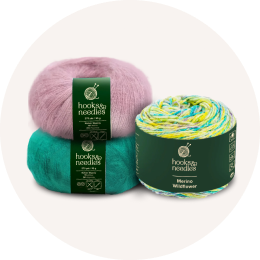
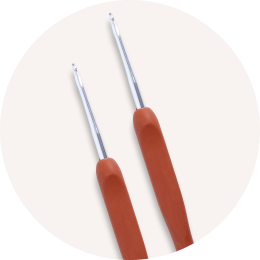
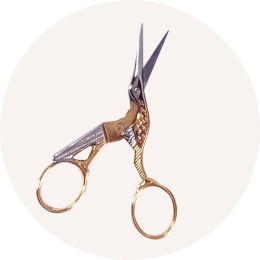
Before you make your first stitch, it’s important to know what you need. Crochet requires just a few basic tools: a crochet hook, yarn, and scissors. Hooks come in different sizes often measured in millimeters—starting with a medium size (like 5mm or H-8) is ideal for beginners. Yarn weights vary from thin (lace) to bulky; a smooth, medium-weight yarn (like worsted weight) works best to see your stitches clearly and avoid frustration.
Understanding simple terms will also save you headaches. “Gauge” means how many stitches and rows fit into a certain area; it affects your project’s size. “Tension” is how tight or loose you hold your yarn and hook, influencing stitch consistency. The “slip stitch” is the simplest stitch used to join work, while the “single crochet” forms the foundation of many projects. Getting familiar with these basics first helps you follow patterns confidently.
If you want to dive deeper into yarn choices and weights, Hooks & Needles offers a clear explanation of the best yarn types for soft toys and a complete guide to yarn weights that’s great for beginners considering their first projects.
How to Crochet Your First Project: Step-by-Step Skill Building
Jumping straight into complex patterns is a common mistake that leads to frustration. Instead, start with simple projects designed to teach one skill at a time. For example, a basic dishcloth or scarf using single crochet stitches will teach you how to maintain even tension, count stitches, and finish edges cleanly. These projects typically take a few hours and offer a rewarding sense of accomplishment without overwhelming you.
Skill-building over the first six months should be progressive: Month 1 focuses on holding your hook and yarn, making chains, and single crochet stitches. Month 2 introduces double crochet and simple shaping. By Month 3-4, you can try small accessories like hats or simple blankets, learning to read patterns and gauge. Months 5-6 could involve more creative projects with color changes or textured stitches. This pace keeps your motivation high and frustration low.
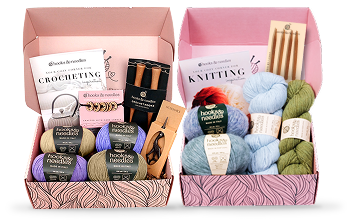
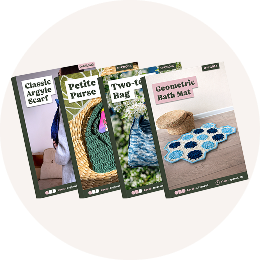
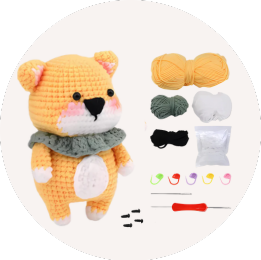
If you want a structured learning path with everything delivered pre-selected and easy to follow, Hooks & Needles sends a subscription box each month with yarn, tools, patterns, and video tutorials to walk you through every step. This removes the guesswork and keeps your projects on track.
Want every project pre-planned for you?
Each Mrs. Quilty box arrives with 17+ handpicked items valued at over $90 — coordinated fabric, notions, an exclusive pattern, and step-by-step video tutorials. No decisions, no guesswork. Just open the box and quilt.
Use LEARN20 for 20% off your first box

Common Mistakes When Learning to Crochet + How to Fix Them
One very common stumbling block is inconsistent tension—your stitches might be too tight or too loose, making your project uneven or hard to work with. The fix? Take breaks, relax your grip, and practice controlling your yarn flow. Watching video tutorials can help you see hand positioning in real-time.
Another issue is skipping foundational skills like chain stitches or not understanding stitch counts. This leads to uneven edges or projects that don’t come out the right size. Always count your stitches carefully, and don’t rush to move on until you’re comfortable with the basics. Small practice swatches can help you build muscle memory.
Finally, many beginners get overwhelmed by patterns full of abbreviations and symbols. Start with patterns labeled as “easy” or “beginner” and look for tutorials that explain each step. If a pattern feels too fast or complicated, pause and try a simpler project instead.
Pro Tip: Use Video Tutorials Alongside Written Patterns
Video tutorials are a lifesaver when learning how to start crocheting for beginners. They show exactly how to hold your hook, wrap yarn, and form stitches in real time, which is difficult to grasp from text alone. Many Hooks & Needles patterns include video walkthroughs to make your first projects smoother and more enjoyable. Combining both learning styles helps build confidence quickly.
Building Confidence With Your First Crochet Projects
Starting with small, well-defined projects gives you clear goals and quick wins. A dishcloth, simple scarf, or granny square blanket is manageable but still feels like a real accomplishment. Each finished project boosts your confidence and makes the next one easier. Avoid jumping into complex garments or intricate lace patterns until you’re comfortable with basic stitches and reading simple patterns.
Tracking your progress over time helps too. Keeping a project journal or photo log of your early work shows how much you’ve improved. This is especially helpful if you’ve tried and struggled with crochet kits before — it reminds you that progress is possible with the right approach.
If you want a clear, step-by-step progression plan and curated supplies, check out the Hooks & Needles beginner crochet guide for advice on which projects to try first and what to expect.
Closing Thoughts
Starting crochet doesn’t have to be confusing or frustrating. By focusing on the right tools, mastering foundational stitches, and choosing manageable projects, you set yourself up for success. Remember that every crocheter began with a first stitch that felt awkward—practice and patience are your best allies.
Following a gradual skill-building path, whether on your own or with a curated subscription box, helps you develop confidence and keeps your motivation strong. Avoid rushing or comparing yourself to others; your progress is unique and worth celebrating.
If you want clear instructions, helpful videos, and all the materials delivered to your door, Hooks & Needles is here as your trusted guide. Start today with simple projects and watch your crocheting skills grow stitch by stitch.
FAQ
What is the easiest crochet project for beginners?
The easiest projects are simple items like dishcloths, scarves, or granny squares using single crochet stitches. These help you practice tension and stitch consistency without complicated shaping.
How do I hold the yarn and hook correctly?
Hold the crochet hook like a pencil or knife—whichever feels comfortable—and let the yarn flow through your fingers to control tension. Relax your hands to avoid tight stitches, and watch video tutorials for demonstrations.
Why does my crochet work look uneven or loose?
Uneven or loose stitches usually come from inconsistent tension. Focus on holding the yarn at a steady tightness and practice making stitches at a consistent speed to improve evenness.
Can I learn to crochet without a teacher or class?
Yes, many people learn crochet through books, online tutorials, and guided patterns. Combining written instructions with video tutorials greatly helps replicate hand movements and build skills confidently.
What yarn weight should I use for my first crochet project?
Start with a medium worsted weight yarn (often labeled #4). It’s thick enough to see stitches clearly but not so bulky that it’s hard to handle, making it ideal for beginners.