Quick Summary
You want a hobby that isn't another screen, but your entire creative workspace is a desk you also eat at. Crochet fits that constraint better than almost any other craft, and by the end of this you'll know exactly which projects, tools and storage make it work in a shared room. If you've ever abandoned a hobby because you had nowhere to leave it out, this one is for you.
Yes — crochet is close to the ideal dorm hobby, because the whole thing packs into a bag the size of a lunchbox and makes no mess beyond a few stray fibres. One hook, one ball of yarn, and a pattern on your phone is a complete setup, which is not something you can say about painting, ceramics or sewing.
The reasoning behind that answer matters more than the answer itself, though, because the version of crochet that works in a dorm is a specific one. Wrong project, wrong yarn, wrong storage and you end up with a half-finished blanket under your bed by November. The rest of this is about picking the version that survives a semester.
Why Crochet Wins on Space and Mess
Every craft has a footprint, and crochet's is unusually small. A hook is under seven inches. A single ball of worsted weight yarn — the mid-thickness category most patterns assume, labelled 4 on the yarn band — is roughly the size of a grapefruit. Nothing needs drying, curing, ventilating or plugging in.
Compare that to what a roommate actually notices. No solvent smell, no water, no cutting mat taking up half the shared desk. The loudest thing about crochet is the sound of yarn moving through your fingers, which means you can work at midnight while someone across the room sleeps.
It's also genuinely portable in a way that matters on a campus. Lecture halls with long gaps between classes, laundry rooms, the bus, a friend's floor during a study session — a small project moves through all of those without ceremony.
Cleanup is measured in seconds
Fibre shedding is the only mess crochet makes, and it's worst with fluffy or brushed yarns. Stick to smooth acrylic or a cotton blend for your first few projects and the shedding is close to nothing. When you're done, the hook goes back in the bag and the desk is a desk again.
What Changes When You Share a Room
A shared room adds two constraints that a solo crafter never thinks about: visible storage and unpredictable time. Your yarn has to live somewhere that isn't the floor, and your project has to tolerate being picked up for eleven minutes between classes.
That pushes you toward small, repetitive projects. A hat, a pair of fingerless mitts, a phone sleeve, a set of coasters, a scarf worked in one stitch. These have short rows, so you finish a row before you have to leave, and they use one or two balls of yarn rather than eight.
What goes wrong here
The most common dorm-crochet failure is starting a blanket. It seems like the obvious first project because the stitch is simple, but a blanket means a growing pile of fabric on your lap, six or more skeins to store, and a finish line months away. Motivation does not survive that in a semester with exams in it.
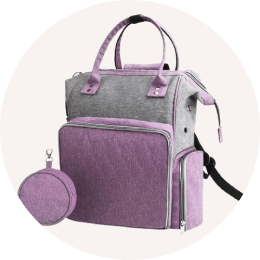
The second failure is loose storage. Yarn left in an open tote picks up dust, hair and whatever is on the carpet, and a ball that rolls under a bed reappears tangled. Anything with a zip solves it. So does a bag that hangs on the back of a door.
 Crochet Hooks Organizer
Third: chasing a project that needs blocking to look right. Blocking means wetting or steaming the finished piece and pinning it flat to set the shape, and lace especially depends on it. In a dorm you have nowhere to pin out a damp shawl for two days. Choose projects that look finished straight off the hook and save lace for a summer at home.
Here's a one-minute walkthrough of double crochet — the taller of the two stitches you'll use constantly, and the one that makes fabric grow fast enough to feel worth the effort in short sittings.
DOUBLE CROCHET FOR COMPLETE BEGINNERS
Why a Yarn Subscription for College Students Solves the Supply Problem
The practical obstacle isn't learning to crochet. It's getting materials. Most campuses have no yarn shop within walking distance, craft store shelves are picked over, and ordering yarn online means guessing at colour, weight and how many balls a pattern needs.
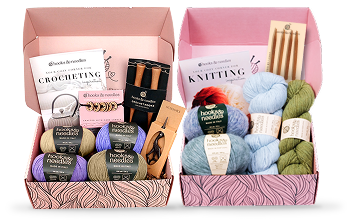
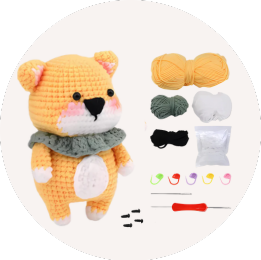
A monthly box removes that entire step. Coordinated yarn, the right hook size for it, and a pattern written for those exact materials arrive together, so nothing you own is waiting on something you forgot to buy. For a student budget, the more useful part is that you aren't buying yarn you'll never use.
There's a second benefit that shows up around week six of term, when your capacity for small decisions is gone. Deciding nothing and simply opening a box is a real advantage — the case for letting a subscription remove the decision fatigue from choosing yarn is stronger for students than for almost anyone else.
Be clear-eyed about what a box is and isn't. It gives you a project a month with everything needed for that project. It does not give you a stash, a full hook set, or freedom to pick your own colours — those come from you, over time.

From the Hooks & Needles shop
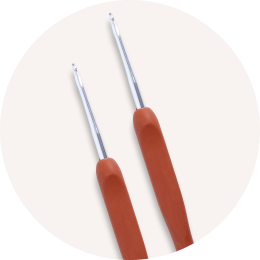
LED Crochet Hooks: 11-in-1 Rechargeable
A lit hook tip means you can keep working after your roommate turns the overhead light off, and eleven sizes in one case takes up less drawer space than a loose handful of hooks.
Term Breaks, Deadlines and the Project That Stalls
Semester rhythm is the thing that kills student hobbies, not lack of interest. You crochet happily for three weeks, midterms arrive, the project goes in a drawer, and by the time you open it again you've forgotten which row you were on. That's the edge case worth planning for.
Two habits fix it. Put a locking stitch marker in the last stitch you worked so you always know where you stopped, and write the row number on a sticky note inside the bag. Fifteen seconds of admin buys you a project you can resume in March.
What goes wrong here
The other stall is gauge drift. Gauge is how many stitches and rows you get across a set measurement, and it changes when your tension changes — and tension changes when you're stressed. A hat begun in calm October and finished in tense December can come out visibly tighter at one end.
If you notice it, don't frog the whole thing. Go up one hook size for the tense section, or simply accept it on a first project and choose a pattern where a slight size difference doesn't matter, like a scarf. Nobody measures a scarf.
Crochet's calming effect is real and it's the reason a lot of students keep going through exam season — there's a fuller explanation of how repetitive stitching works as structured stress relief if you want the mechanism rather than the claim.
Ready to start a project you will actually finish?
Hooks & Needles delivers a complete yarn project to your door every month — coordinated yarn, the right hooks or needles, and a pattern written to be followed rather than decoded. Pause or cancel whenever you like.
Use LEARN20 for 20% off your first box

Where To Go From Here
Start with a hat. It's small, it uses one or two balls, it takes a few evenings, and you wear the result — which does more for momentum than any amount of good intentions. Learn chain, single crochet and double crochet and you can make one.
Once the first project is off the hook, the useful next move is a second one in the same shape and a different yarn. Repetition is where tension evens out, and even tension is what makes the third project look properly made.
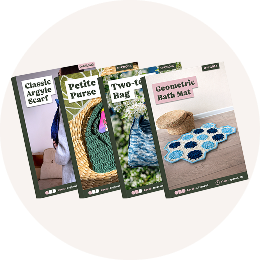
If you want a steady supply without the guesswork, small accessories are exactly what a monthly box is built around, and there's a good breakdown of why hats and scarves suit a subscription format better than large projects do.
One project at a time. That's the whole strategy.
FAQ
How much does it cost to start crocheting in a dorm?
Genuinely very little. A hook, one ball of worsted weight yarn and a tapestry needle for weaving in ends is the full starting kit, and most first projects need nothing else. You can add hook sizes as patterns call for them rather than buying a full set upfront.
Can I crochet during lectures without annoying people?
It's silent, so noise isn't the issue — attention and etiquette are. Plenty of students crochet in large lectures where it helps them listen, but check whether your instructor minds first, and stick to a simple repeating stitch you don't have to look at. Save pattern-heavy rows for your room.
Should I learn crochet or knitting if I only have space for one?
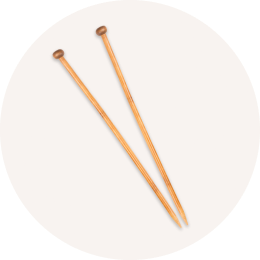
Crochet, for a dorm specifically. One hook instead of two needles means the work can't slip off when you shove it in a bag, mistakes are easier to pull back stitch by stitch, and finished fabric grows faster, which matters when your sessions are short. Knitting is worth learning later.
What do I do with all the things I make?
Wear them, then give them away. Hats, mitts, cowls and small bags are the standard student output precisely because they're wearable and giftable, and a handmade gift at the end of a term costs you materials rather than money. It also stops finished projects piling up in a room with no storage.