Quick Summary
This article explores crochet for arthritis, offering gentle techniques and ergonomic setup ideas to help crafters manage joint pain effectively. It is designed for individuals seeking comfort-first crafting strategies to maintain their passion for crochet despite arthritis challenges.
Understanding the Challenges of Crochet for Arthritis
For many passionate crafters, arthritis can introduce significant obstacles to enjoying crochet. Joint stiffness, swelling, and pain often reduce hand dexterity, making the repetitive motions of crochet more taxing. This can lead to frustration or even the abandonment of beloved hobbies. However, with thoughtful adaptations and ergonomic considerations, it’s possible to continue enjoying crochet while minimizing discomfort.
Clarity and confidence in your technique become essential in this context. Understanding how to adjust stitch tension, select appropriate tools, and position your hands can make a meaningful difference. The goal is not to overhaul your craft completely but to introduce gentle modifications that respect your body’s needs without compromising creativity or quality.
This article offers practical guidance on crochet for arthritis, emphasizing comfort-first approaches. Whether you are newly encountering joint pain or have managed it for years, these strategies support sustained enjoyment of your projects while protecting your joints.
Gentle Techniques for Crochet for Arthritis
When facing joint pain, modifying your crochet technique can reduce strain and fatigue. One foundational adjustment is to maintain a relaxed grip on your hook and yarn. Tight tension creates unnecessary resistance, increasing joint stress. Instead, aim for a smooth and gentle tension that allows stitches to form without force. This approach ensures your hands move fluidly and reduces the risk of aggravating arthritis symptoms.
Another technique involves selecting simpler stitches that require less intricate finger movement. For example, basic stitches like single crochet and slip stitch involve fewer hand adjustments, making them more comfortable to execute repeatedly. Incorporating breaks between rows or rounds encourages rest and prevents overuse. During these pauses, gentle hand stretches can alleviate stiffness and promote circulation.
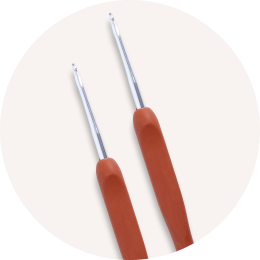
Using yarn with a soft texture and medium weight also facilitates easier handling. Heavier or rough yarns demand more effort, which may intensify joint discomfort. Opting for ergonomic crochet hooks with cushioned grips or lightweight materials further supports gentle hand positioning and less fatigue.
Ergonomic Crochet Setup for Joint Comfort
Ergonomic crochet setup plays a pivotal role in managing joint pain crochet effectively. Proper seating with good back support and armrests helps maintain a neutral posture, reducing strain on shoulders and wrists. Position your work at a comfortable height—ideally, slightly below eye level—to avoid hunching or excessive wrist bending.
Consider arranging your tools within easy reach to minimize repetitive stretching motions. Use a lap pad or cushion to support your arms, allowing for relaxed elbows and wrists. Lighting is another important factor; ample illumination reduces eye strain and encourages better posture as you naturally adjust to see your stitches clearly.
Ergonomic crochet hooks designed with angled handles or soft grips promote natural hand alignment. These tools minimize twisting and gripping effort, helping maintain steady tension without pain. Experimenting with different hook sizes can also alleviate joint stress by requiring less force during yarn manipulation.
Common Mistakes and Fixes in Crochet for Arthritis
One common mistake is maintaining excessively tight tension, which increases joint strain and can exacerbate arthritis symptoms. The fix is to consciously practice loosening your grip and allowing the yarn to flow more freely through your fingers. Frequent breaks to stretch and rest hands are also essential to prevent overuse injuries.
Another frequent issue is neglecting posture, resulting in wrist and shoulder discomfort. Adjusting your seating, arm position, and tool arrangement can alleviate these problems. Avoiding hook sizes that feel too small or too heavy for prolonged use also helps reduce fatigue.
Pro Tip: Incorporate Warm-Up and Cool-Down Hand Exercises
Before starting your crochet session, try gentle hand warm-up exercises such as finger stretches and wrist rotations. After finishing, cool-down stretches can help maintain joint flexibility and reduce stiffness. These simple practices support long-term hand health and improve comfort during crafting.
Defining Key Terms for Clarity
Gauge: The number of stitches and rows per inch in a crochet project, affecting the size and drape of finished items. Adjusting gauge can sometimes reduce hand strain by changing stitch size.
Tension: The tightness or looseness of yarn loops as you crochet. Maintaining relaxed tension is crucial for comfort in joint pain crochet.
Slip Stitch: A basic crochet stitch used to join rounds or move the yarn without adding height, often less demanding on the hands.
We'd love to craft with you.
Your crafting journey starts here. Get premium materials, exclusive designs, and video tutorials. Join a welcoming community and receive free patterns with your first order.
Cancel anytime, no commitment.

Additional Tips for Joint Pain Crochet
Integrating joint-friendly habits into your crochet routine further supports comfort and enjoyment. For instance, rotating between different projects or alternate hand techniques can prevent repetitive strain. Staying hydrated and mindful of your body’s signals allows you to pause or adjust your work before discomfort becomes severe.
Exploring ergonomic tips and tool guides can introduce you to specialized equipment tailored for ease and support. From hooks with ergonomic grips to adjustable seating options, these resources are valuable for sustained crafting success. Remember, the best setup is one that suits your unique needs and preferences, so experimentation is key.
Above all, patience and gentle persistence enable you to maintain your crochet practice while respecting your body’s limits. The joy of creating handmade items can coexist with arthritis management through informed choices and adaptive techniques.
Closing Thoughts
Crochet for arthritis is not about giving up on creativity but adapting your craft to protect your joints and maintain comfort. By embracing gentle techniques and an ergonomic setup, you can continue to enjoy the tactile satisfaction and mental relaxation that crochet provides. Thoughtful adjustments to your tools, posture, and stitch choices empower you to work with confidence and clarity.
Remember, every crafter’s journey is unique, and what works best will depend on your specific needs and preferences. Take time to explore different ergonomic options and find a rhythm that honors your body. The goal is sustainable crafting that supports your well-being.
At Hooks & Needles, we’re here to guide you with clear instructions, useful tools, and supportive resources tailored to your crafting lifestyle. We encourage you to explore our ergonomic tips and tool guides to find the best solutions that fit your arthritis management and creative goals.
FAQ
What types of crochet hooks are best for arthritis?
Ergonomic crochet hooks with cushioned grips, lightweight materials, and larger handles are recommended to reduce hand strain and improve comfort for arthritis sufferers.
How can I manage joint pain during long crochet sessions?
Taking regular breaks, performing gentle hand stretches, maintaining relaxed tension, and adjusting your posture can help manage joint pain during extended crochet sessions.
Are there specific stitches that are easier for people with arthritis?
Yes, simpler stitches such as single crochet and slip stitch require less finger movement and are generally easier to work with when managing arthritis.
Can ergonomic setup really make a difference in joint pain crochet?
Absolutely. Proper seating, tool positioning, and lighting reduce strain on joints and muscles, enabling more comfortable and sustainable crochet practice.
Where can I find more resources on ergonomic crochet?
Hooks & Needles offers detailed ergonomic tips and tool guides to support comfortable crafting. These resources provide practical advice and product recommendations tailored for joint pain crochet.