Quick Summary
This article explores practical techniques to address the common issue of crocheting too tight. Designed for crafters seeking better tension control, it offers clear drills and comfort tips to improve stitch consistency and reduce hand pain.
One of the most frequent challenges crocheters encounter is maintaining consistent tension, especially when stitches become too tight. Tight crochet can make projects stiff, difficult to work with, and even cause hand discomfort. This tension issue may hinder progress and reduce enjoyment in your crafting sessions. Understanding how to manage your stitch tension is essential for creating smooth, even pieces and avoiding strain.
Achieving a comfortable and consistent tension not only improves the look and feel of your work but also helps prevent repetitive strain injuries. This article provides clear, actionable advice to help you recognize when your tension is too tight and how to loosen it effectively. Whether you’re working on a cozy blanket or a detailed garment, these tips will help you crochet with more confidence and less fatigue.
By focusing on simple tension drills and ergonomic adjustments, you’ll gain control over your stitches and reduce common issues associated with tight crochet. This guide is not a comprehensive cure-all but a straightforward approach to help you feel more comfortable and in control while crafting.
Understanding Crochet Tension and Why It Matters
Tension in crochet refers to how tightly or loosely the yarn is held and worked through stitches. It directly affects stitch size, fabric drape, and the ease of working subsequent rows. When your tension is too tight, your stitches become small and dense, making it difficult to insert the hook and progress smoothly. This can lead to frustration and uneven projects.
Tight tension often results from gripping the yarn or hook too firmly or having an inconsistent hand position. It’s important to understand that tension varies person to person due to hand size, muscle strength, and even mood. Recognizing your natural tension and learning to adjust it gently is the key to improving your crochet experience.
Correct tension leads to better gauge, which is crucial for matching pattern instructions and creating garments that fit well. Developing awareness around your tension helps you anticipate and adjust before tightness becomes a problem, supporting both project quality and hand health.
Simple Drills to Improve Your Crochet Tension
Practicing specific tension drills can help retrain your hands and improve stitch consistency. Start by selecting a smooth, medium-weight yarn and a crochet hook size recommended for it. Try making chains where you consciously relax your grip on the yarn and hook, aiming for uniform loops that are neither too tight nor too loose.
Next, work rows of simple stitches like single crochet, focusing on releasing tension after each stitch. Count your stitches regularly to ensure consistency and avoid accidentally pulling the yarn too tightly. These drills help build muscle memory for a more relaxed and even tension.
Another effective drill is to crochet with your non-dominant hand guiding the yarn more gently, allowing the dominant hand to focus on hook control without excessive gripping. Repeating these exercises regularly can help reduce tightness gradually.
Common Mistakes and Fixes
- Gripping the hook or yarn too tightly: Relax your hands and consciously loosen your hold. Try wrist rotations and hand stretches before crocheting.
- Inconsistent yarn feeding: Make sure the yarn flows freely through your fingers without snagging or pulling.
- Using a hook size too small: Switch to a slightly larger hook to create looser stitches and ease tension.
Pro Tip
To naturally loosen your tension, try crocheting with a hook one or two sizes larger than recommended, then adjust downward as your tension improves. This gradual approach encourages softer stitches without sacrificing gauge accuracy.
Comfort Tips to Reduce Hand Pain from Tight Crochet
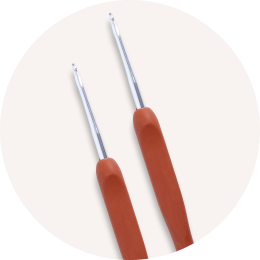
Hand pain is a common side effect of tight crochet tension. Taking regular breaks and performing gentle hand stretches can help prevent discomfort. Pay attention to your wrist position; keeping it neutral rather than bent reduces strain. Using ergonomic crochet hooks with cushioned handles or larger grips can also ease pressure on your fingers.
Adjust your seating posture to maintain relaxed shoulders and elbows, which contributes to overall hand comfort. If pain persists, consider alternating between crochet and knitting or incorporating warm-up exercises before crafting sessions. These comfort strategies complement tension control and promote longer, more enjoyable crafting periods.
We'd love to craft with you.
Your crafting journey starts here. Get premium materials, exclusive designs, and video tutorials. Join a welcoming community and receive free patterns with your first order.
Cancel anytime, no commitment.

Additional Tension Tips for Consistent Crochet Stitches
Beyond drills, mindful habits support better tension control. Observe how your hands feel when stitching and pause to adjust if you notice tightness creeping in. Using yarn guides or tension rings can help maintain even yarn flow, especially when working with slippery or textured yarns.
Watching video tutorials focused on tension can provide visual cues and alternative techniques that might suit your style better. At Hooks & Needles, our video tutorials showcase various grip styles and tension methods to help you find what works best for your hands.
Remember, tension is a personal factor, and small adjustments over time yield the best results. Incorporating these tension tips into your routine ensures smoother stitches and more enjoyable projects.
Closing Thoughts
Developing better crochet tension control is a practical and rewarding goal that improves both your stitch quality and crafting comfort. By practicing targeted drills and incorporating simple comfort strategies, you can reduce tightness and hand pain, making your projects more enjoyable and consistent.
Remember, every crocheter’s tension is unique, and gaining awareness is the first step toward mastery. With patience and regular practice, you’ll find a comfortable rhythm that supports your creative expression without strain.
Hooks & Needles is here to support your journey with clear instructions, quality materials, and helpful tutorials. Explore our resources to continue refining your skills and enjoy the art of crochet with confidence.
FAQ
Why does my crochet tension keep getting too tight?
Tight tension often results from gripping the hook or yarn too firmly, using a small hook size, or inconsistent yarn feeding. Awareness and relaxed hand positioning help prevent this.
How can I loosen my crochet tension quickly?
Try using a larger hook size, relax your grip, and practice tension drills like loose chains or single crochet rows. Regular hand stretches also support looser stitches.
Can tight crochet cause hand pain?
Yes, tight stitches can contribute to hand and wrist strain. Taking breaks, adjusting posture, and using ergonomic hooks can reduce discomfort.
What is the best hook size for relieving tight crochet tension?
Generally, using one or two hook sizes larger than the yarn label recommends helps loosen stitches and ease tension. Adjust as needed for gauge accuracy.
Where can I find tutorials to improve my tension?
Hooks & Needles offers video tutorials and beginner tips designed to help you understand and adjust your crochet tension effectively.