Quick Summary
Choosing between natural fiber yarn and acrylic can be overwhelming, especially with so many conflicting opinions online. By the end, you'll understand exactly how these yarn types compare in texture, durability, and environmental impact — giving you the confidence to pick the right yarn for your knitting or crochet project. This is for knitters and crocheters who want clear, honest guidance beyond marketing hype.
Why Yarn Choice Shapes Your Crafting Experience
If you’ve ever felt unsure about whether to pick a natural fiber yarn or acrylic for your next knitting or crochet project, you’re not alone. Many crafters face this dilemma because the choice affects everything from how the finished piece feels against your skin to how long it lasts and even its environmental footprint. The truth is, not all yarns are created equal — and marketing claims can cloud what really matters.
Natural fibers like merino wool, alpaca, or cotton come straight from animals or plants, offering breathability, warmth, and a softness that acrylic often tries to imitate but can’t quite match. Acrylic yarns, on the other hand, are synthetic, made from petrochemicals, and often touted as budget-friendly and easy-care alternatives. But is acrylic yarn bad for knitting? The answer depends on what you prioritize: softness, durability, sustainability, or price.
Understanding these differences helps you avoid common frustrations like itchy sweaters, yarn that pills too quickly, or projects that don’t stand up to wear. You’ll gain clarity on how fiber content directly influences your crafting success and the joy of wearing or gifting your handmade pieces.
Natural Fiber Yarn Benefits Explained
Natural fiber yarns bring a unique combination of qualities that synthetic yarns often lack. For example, merino wool is prized for its exceptional softness and warmth without bulk. It naturally regulates temperature and wicks moisture away, making it comfortable to wear year-round. Cotton yarns are breathable and perfect for warmer climates or lightweight garments. Alpaca offers a silky texture and impressive insulation.
Another advantage is durability. High-quality natural fibers from well-regarded mills in Italy and Portugal tend to last longer when cared for properly. These mills have decades of experience sourcing and processing fibers with sustainability and craftsmanship in mind. This means your projects won't just feel good—they'll age gracefully. Natural fibers also tend to develop a beautiful patina over time, adding character to your work.
On the environmental front, natural fibers are renewable and biodegradable, reducing long-term waste. When you choose yarns from ethical sources, such as those highlighted in our ethical yarn sourcing post, you support farming practices that care for the land and animals. That’s a meaningful difference many knitters and crocheters want to make.
How Acrylic Yarn Compares in Knitting and Crochet
Acrylic yarn has earned a reputation for being affordable and widely available, but that doesn’t tell the whole story. Acrylic’s synthetic nature makes it very resilient to wear and tear, and it generally holds color vibrantly after multiple washes. For projects like blankets or children’s items that need frequent cleaning, acrylic can be a practical choice.
However, acrylic yarns often fall short in breathability and softness, especially compared to premium merino or cotton yarns. They can feel plasticky or stiff, which can affect how your finished piece drapes or wears. Some crafters also find acrylic less comfortable next to sensitive skin, which is a common complaint in the knitting community.
Regarding environmental impact, acrylic is derived from fossil fuels and is not biodegradable. This means acrylic garments contribute to microplastic pollution when washed. While some brands are innovating with recycled acrylic, it’s still far from a natural fiber’s sustainability level. If your priority is eco-conscious crafting, acrylic may not align with your values.
Common Mistakes When Choosing Between Natural Fiber and Acrylic
One frequent mistake is buying yarn based solely on price or color without considering fiber content and project use. For instance, picking acrylic for a cozy sweater might lead to discomfort or quick wear, whereas choosing merino or alpaca would offer softness and durability. Conversely, over-investing in expensive natural fibers for a washable baby blanket might not be practical.
Another error is ignoring care instructions. Natural fibers often require gentle washing or hand washing, which some crafters overlook, resulting in felting or shrinking. Acrylic’s easy-care appeal can be tempting, but not every acrylic yarn is machine washable at high temperatures without damage, so always check labels carefully.
Lastly, some people confuse all natural fibers as the same. Merino vs acrylic crochet projects feel very different—merino’s elasticity and softness make it ideal for fitted garments, whereas acrylic lacks that stretch, affecting fit and comfort.
Pro Tips for Working with Natural Fiber Yarn vs Acrylic
- Swatch first: Gauge and tension can vary between fibers. Swatching ensures your project’s size and drape come out as expected.
- Consider the project: Use natural fibers like cotton or merino for garments and accessories worn close to skin; acrylic can work well for home decor or washable items.
- Store yarn properly: Natural fibers can attract moths, so keep yarn in sealed containers or cedar-lined storage to protect your stash.
Understanding terms like gauge (stitches per inch) and tension (how tightly you knit or crochet) is essential because different fibers behave differently under your hands and needles. For example, acrylic yarns tend to be more slippery, which can speed up knitting but might cause loose stitches if you’re not careful.
Feel, Durability, and Environmental Impact: The Final Comparison
When it comes to feel, natural fibers usually win for softness and breathability. Merino wool, in particular, is a favorite for those who want warmth without itchiness—a common issue with cheaper wools or acrylic. Acrylic can feel less natural and sometimes plasticky, but it’s lighter and dryer after washing.
Durability depends on fiber quality and usage. Natural fibers from trusted Italian and Portuguese mills are robust and age beautifully but may require more careful washing. Acrylic is durable in terms of abrasion resistance and colorfastness but may pill more and degrade with sunlight exposure.
Environmentally, natural fibers break down naturally and support sustainable farming practices when sourced responsibly. Acrylic contributes to plastic waste and microfibers in water systems. Choosing yarns from mills with transparent fiber breakdowns and ethical sourcing, like those highlighted in our must-have yarns collection, supports a cleaner planet.
Ready to make your next project this good?
Mrs. Quilty delivers a complete quilting project to your door every month — pre-coordinated fabric, tools, pattern, and video guidance included. Over 65,000 quilters have started their journey here. Box 1 is designed for exactly where you are right now.
Use LEARN20 for 20% off your first box

Choosing the Right Yarn for Your Craft Journey
Ultimately, your yarn choice should reflect what matters most to you: whether that’s the cozy feel of natural fibers, the easy care of acrylic, or a balance of both. Knowing the strengths and compromises of each lets you plan your projects with confidence and avoid disappointment.
Natural fiber yarns reward patience and care with unmatched comfort and longevity, while acrylic offers affordability and practicality for certain uses. If you’re drawn to sustainability and tactile quality, seeking yarns from respected Italian and Portuguese mills ensures you’re investing in craftsmanship and ethical sourcing.
Whatever you decide, having a clear understanding of the differences between these yarn types empowers you to create pieces you’ll love to wear and cherish. Feel free to explore our detailed posts on yarn weights and the latest must-have yarns to elevate your next project.
Closing Thoughts
Choosing between natural fiber yarn and acrylic is a decision that goes beyond price or convenience. It’s about what you want your finished project to feel like, how long you want it to last, and the impact it leaves behind. Natural fibers offer warmth, softness, and sustainability, while acrylic provides durability and easy maintenance in certain contexts.
Understanding these differences equips you with the confidence to pick yarns that suit your crafting goals and lifestyle. The more you learn about fiber content and sourcing, the easier it becomes to trust your yarn choices and enjoy every stitch. Whether you lean toward merino softness or the practicality of acrylic, your projects will shine with informed care.
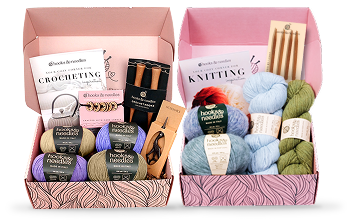
If you’re curious about trying premium natural-fiber yarns, every Hooks & Needles box uses carefully sourced fibers to help you experience the difference firsthand. That hands-on experience is often the best way to find your favorites.
FAQ
Is acrylic yarn bad for knitting or crochet projects?
Acrylic yarn isn’t bad, but it has different qualities than natural fibers. It’s durable and easy to care for but less breathable and can feel less soft. It suits washable projects well but may not be ideal for sensitive skin or garments needing breathability.
What are the main benefits of natural fiber yarn?
Natural fiber yarns like merino, cotton, and alpaca offer superior softness, breathability, and temperature regulation. They tend to last longer with proper care and have a smaller environmental footprint since they’re renewable and biodegradable.
How do I care for natural fiber yarn projects?
Most natural fibers require gentle washing, often hand washing or delicate machine cycles, and drying flat to avoid felting or shrinking. Always check the yarn label for specific instructions to keep your projects looking their best.
What is the difference between merino and acrylic yarn in crochet?
Merino wool is soft, elastic, and breathable, ideal for garments worn close to skin. Acrylic is less elastic and can feel stiffer, affecting drape and comfort. Merino generally requires more delicate care, while acrylic is easier to wash and maintain.
Where can I find ethically sourced natural fiber yarns?
Look for yarns from respected Italian and Portuguese mills known for transparent fiber breakdowns and sustainable practices. Our post on ethical yarn sourcing offers trusted recommendations.