Quick Summary
You’re stuck deciding between natural fiber yarn and acrylic for your knitting or crochet project — maybe you've heard acrylic is cheaper but worry it won’t last or feel right. By the end, you’ll understand why yarn choice impacts your finished piece’s texture, durability, and comfort, and how natural fibers can elevate your craft. If you want to pick yarn confidently without the usual confusion, this is for you.
Why Yarn Choice Can Make or Break Your Knitting and Crochet Projects
If you’ve ever started a project only to find the yarn feels scratchy, wears out quickly, or doesn’t drape the way you imagined, you know how frustrating that can be. Yarn isn’t just a color or weight — the fiber content dramatically affects how your project behaves as you work and after it’s finished. Choosing between natural fiber yarn and acrylic is often one of the first big decisions, but it’s not always clear what you’re really getting with each option.
Natural fibers like wool, cotton, and alpaca have unique characteristics — they breathe, stretch, and often soften with use. Acrylic, on the other hand, is synthetic, generally more affordable, and widely available but can sometimes feel less breathable and less durable. This isn’t just a matter of price or availability; knowing these differences helps you pick yarn that fits your project’s purpose and your personal comfort.
By understanding the structural differences between natural fiber yarn vs acrylic knitting crochet, you’ll gain clarity and confidence. This means fewer regrets, better finished projects, and a crafting experience that’s actually enjoyable from start to finish.
The Structural Differences: What Makes Natural Fiber Yarn Different from Acrylic?
Natural fiber yarns come from animal or plant sources, such as sheep’s wool, cotton plants, or even bamboo. These fibers have a complex structure with scales, crimp, and moisture-absorbing properties. For example, wool fibers have tiny scales that help the yarn grip stitches better and provide elasticity, which is essential for projects that need stretch or durability. Cotton fibers are smooth but breathable and strong, ideal for lightweight garments or dishcloths.
Acrylic yarn is a manufactured fiber made from polymer plastic. Its fibers are smooth, uniform, and hydrophobic, meaning they don’t absorb moisture like natural fibers do. This can make acrylic yarn feel less breathable and sometimes less soft against the skin. However, acrylic is often prized for its colorfastness and resistance to mildew, making it a popular choice for easy-care projects.
Understanding these fiber structures explains why natural fiber yarns usually offer better drape and breathability, which is critical when knitting or crocheting wearables or home décor. If you want more detail on yarn weights and how they affect your project’s look and feel, the article on yarn weights explained is a great next step.
Natural Fiber Yarn Benefits That Acrylic Can’t Match
One of the biggest advantages of natural fiber yarn is its breathability. Wool, for example, traps air in its fibers, acting as a natural insulator that keeps you warm without overheating. This quality is why merino wool is often preferred for garments that touch the skin — soft, warm, and moisture-wicking. Cotton and linen yarns are excellent for warmer climates because they allow air circulation and dry quickly.
Durability is another key benefit. Natural fibers tend to develop a beautiful patina over time and soften with wear rather than pill excessively or lose shape. This is why many crafters prefer natural yarns for heirloom-quality projects or items that will see frequent use.
If you’ve ever wondered about specific fiber comparisons like merino vs acrylic crochet, merino’s fine fibers give your project a luxurious feel and excellent stitch definition, which acrylic often can’t replicate. For a deeper dive into how Hooks & Needles chooses premium European-sourced fibers, check out our European yarn sourcing story.
Is Acrylic Yarn Bad for Knitting? Addressing Common Skepticism
You might have heard opinions that acrylic yarn is “bad” for knitting or crocheting, but that’s an oversimplification. Acrylic yarn has its place: it’s affordable, widely available, and easy to care for, making it a practical choice for beginners or projects like kids’ toys and washable blankets. However, acrylic’s smooth, plastic-like fibers don’t breathe well and can feel plasticky or less cozy next to the skin.
Acrylic also behaves differently when stretched or washed. It can lose shape more quickly or pill with heavy wear. That said, new acrylic blends have improved significantly, offering softer handfeel and better durability. The key is matching yarn properties to your project’s needs instead of dismissing acrylic outright.
Knowing this helps you make intentional choices instead of settling for yarn based on price or availability alone. You’ll also avoid frustration by understanding acrylic’s limitations upfront and choosing natural fibers when softness, breathability, and longevity matter most.
Common Mistakes + Fixes When Choosing Yarn
- Choosing acrylic for all projects: Acrylic isn’t a one-size-fits-all solution. Fix this by selecting natural fibers for wearables and acrylic only for washable, low-contact items.
- Ignoring fiber content on the label: Yarn labels can be confusing. Read fiber percentages carefully and look for trusted brands that list fiber specs transparently.
- Overlooking yarn texture and drape: Don’t just pick yarn by color or weight. Feel the yarn and consider how it will hang in your final piece.
Pro Tip: How to Test Yarn Before Committing
Before buying a large quantity, get a small skein or ball of the yarn and knit or crochet a swatch. Wear it against your skin to test softness and check how it handles washing. This simple step saves you from unhappy surprises and wasted materials.
Ready to make your next project this good?
Mrs. Quilty delivers a complete quilting project to your door every month — pre-coordinated fabric, tools, pattern, and video guidance included. Over 65,000 quilters have started their journey here. Box 1 is designed for exactly where you are right now.
Use LEARN20 for 20% off your first box

How Hooks & Needles Chooses Yarn to Prioritize Natural Fibers
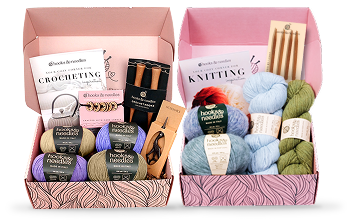
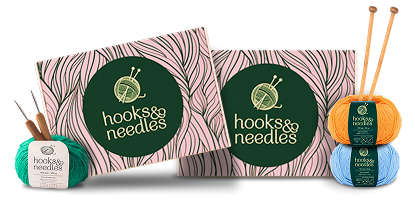
At Hooks & Needles, we believe the yarn you use matters deeply to your crafting experience and the quality of your projects. That’s why every box features premium yarns with a natural fiber first approach. Our typical yarn blends highlight softness, durability, and breathability, often combining merino, cotton, or alpaca with a touch of nylon for strength without sacrificing feel.
Each fiber’s specs are transparently listed with every box so you know exactly what you’re working with. This clarity lets you choose projects that suit your style and comfort preferences while avoiding surprises about yarn behavior or care. If you want to explore what makes yarn weights so important when selecting yarn, our yarn weights explained post is an excellent resource.
Our approach respects the craft’s traditions while embracing modern quality standards. It’s a reason why so many crafters trust Hooks & Needles as their guide to yarn crafts with patterns and yarns that work beautifully together.
Closing Thoughts
Choosing between natural fiber yarn and acrylic isn’t just about price or color. It’s about how your finished knitting or crochet project will look, feel, and stand the test of time. Natural fibers offer breathability, softness, and durability that acrylic can’t fully match, especially for wearables or heirloom pieces. Meanwhile, acrylic has a place in easy-care, budget-conscious projects but comes with trade-offs you should understand.
With this knowledge, you can choose yarns that align with your project goals and personal comfort, avoiding frustration and enhancing your crafting enjoyment. Every stitch becomes more intentional and rewarding when your yarn choice supports the outcome you want.
Hooks & Needles offers yarns and patterns designed with these principles in mind, helping you focus on crafting with confidence and clarity. Exploring our subscription boxes is a great way to experience premium natural fiber yarns paired with clear instructions and expert support.
FAQ
What are the main benefits of natural fiber yarn compared to acrylic?
Natural fiber yarns provide better breathability, softness, and durability. They often feel more comfortable against the skin and improve with wear, while acrylic may lack breathability and can pill more easily.
Is acrylic yarn bad for knitting or crochet projects?
Acrylic yarn isn’t bad but has limitations. It’s affordable and easy to care for but less breathable and may not have the same softness or durability as natural fibers. Choosing acrylic depends on your project’s purpose.
How do natural fibers like merino compare to acrylic in crochet?
Merino wool is softer, warmer, and offers excellent stitch definition with natural elasticity, making it ideal for wearables. Acrylic is less soft and breathable but often more budget-friendly and easier to wash.
What does “natural fiber first approach” mean for Hooks & Needles yarn?
It means Hooks & Needles prioritizes premium natural fibers in yarn blends to maximize comfort, durability, and performance in projects, while being transparent about fiber content and quality.
Where can I learn more about yarn weights and fiber content?
You can read detailed explanations about yarn weights and fiber sourcing on the Hooks & Needles blog, including posts like yarn weights explained and hooks-needles-european-yarn-sourcing.