Quick Summary
This article guides crafters on how to build their crochet toolkit essentials gradually, focusing on practical, must-have notions. It’s designed for those seeking a streamlined approach without unnecessary purchases.
Building a crochet toolkit can often feel overwhelming due to the wide variety of tools and accessories available. Many crafters end up purchasing extras that they rarely use, which can clutter their workspace and complicate the crafting process. This guide aims to clarify which crochet toolkit essentials truly matter and how to acquire them thoughtfully over time. The focus is on quality over quantity, ensuring each addition serves a clear purpose.
Having the right tools at hand not only makes the craft more enjoyable but also improves the quality of your projects. Understanding the function of each tool and how it fits into your workflow can increase confidence and help avoid frustration caused by inadequate or unnecessary notions. This approach suits crafters eager to develop their toolkit in a structured way without overspending or accumulating clutter.
Whether you are transitioning from beginner to intermediate level or simply want to optimize your current collection, this article provides a clear roadmap. It highlights essential tools, common pitfalls, and smart buying tips to ensure your crochet toolkit grows alongside your skills and project needs.
What Are Crochet Toolkit Essentials?
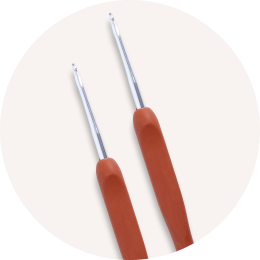
Crochet toolkit essentials refer to the core tools and notions that support a wide range of crochet projects. These include items like crochet hooks, stitch markers, scissors, yarn needles, and measuring tape. Each tool has a specific function that contributes to the ease and precision of your work. For example, stitch markers help keep track of rounds or pattern repeats, while a yarn needle is essential for weaving in ends neatly.
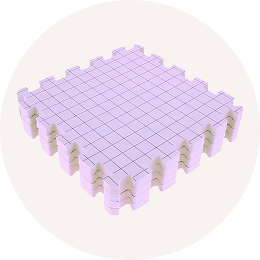
It’s important to distinguish essentials from optional accessories that may only serve niche purposes. Focusing on must-have notions ensures your toolkit remains manageable, portable, and effective. Over time, you can add specialty tools such as blocking mats or row counters based on your evolving project requirements. For clarity and practical guidance, see our Tool Guide for detailed descriptions and usage tips.
Understanding these basics also helps prevent impulse buys and encourages intentional toolkit growth. This progressive toolkit building strategy supports sustainable crafting habits while maintaining readiness for a variety of project types.
How to Build Your Crochet Toolkit Essentials Progressively
Progressive toolkit building means acquiring tools methodically as your skills and project complexity increase. Start with a reliable set of crochet hooks covering common sizes—usually from 3.5mm to 6.5mm—so you can comfortably handle most yarn weights from fingering to worsted. Avoid purchasing a full set all at once unless you have immediate use for each size.
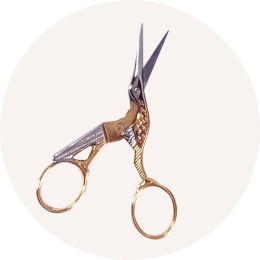
Next, invest in quality scissors, preferably small and sharp for clean cuts without fraying yarn. Add a tape measure for accurate sizing and gauge checks, which are crucial for garment projects. Stitch markers come next, whether reusable plastic clips or locking rings, as they keep your place in complex patterns.
Yarn needles for weaving in ends and blocking pins for shaping finished pieces can be acquired as your projects demand. This phased approach prevents an overflowing toolkit and helps you understand each tool’s role before committing. For additional guidance on learning best practices, visit our Learning System.
Common Mistakes and Fixes When Building Your Toolkit
- Buying too many tools at once: Leads to clutter and confusion. Fix this by prioritizing essentials and adding tools as needed.
- Choosing low-quality hooks or scissors: Can cause hand fatigue or damage yarn. Invest in ergonomic, well-made tools even if they cost a bit more.
- Ignoring gauge tools: Skipping gauge measurements often results in ill-fitting projects. Always include a tape measure or gauge ruler early on.
Pro Tip: Focus on Versatility
When selecting tools, prioritize items that work across multiple yarn weights and project types. For example, a set of ergonomic hooks with interchangeable heads saves space and adapts to your needs. Similarly, stitch markers that can clip or ring allow use in various stitches and rounds.
Core Notions and Why They Matter
Essential crochet notions go beyond just hooks and yarn. They include every small tool that streamlines your workflow and improves project quality. Here are some core notions and their importance:
- Stitch Markers: Help mark pattern repeats, increases, or rounds. Avoid losing your place, especially in complex projects.
- Yarn Needles: Used for weaving in yarn ends securely to give a polished finish.
- Scissors: Sharp and precise cutting tools prevent yarn from fraying and ensure clean starts and finishes.
- Measuring Tape: Ensures you match pattern dimensions and gauge, critical for fit and consistency.
- Row Counter: Optional but useful for tracking rows or pattern repeats in large projects.
Each notion supports specific steps in the crochet process—preparation, execution, or finishing. Understanding their roles helps you build a toolkit that truly supports your crafting goals without unnecessary extras.
We'd love to craft with you.
Your crafting journey starts here. Get premium materials, exclusive designs, and video tutorials. Join a welcoming community and receive free patterns with your first order.
Cancel anytime, no commitment.

Maintaining and Organizing Your Crochet Toolkit
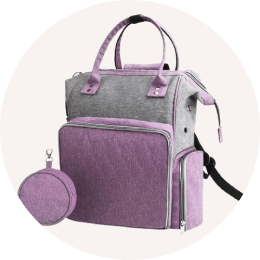
As your crochet toolkit grows, organization becomes crucial to maintaining efficiency and preventing frustration. Use small containers or pouches to separate notions by type—hooks in one section, notions like scissors and needles in another. This reduces time spent searching and protects tools from damage.
Regularly check the condition of your tools. Replace dull scissors and inspect hooks for damage or wear that might snag yarn. Keeping tools clean and well-maintained extends their lifespan and ensures smooth crafting sessions.
Consider portability needs when choosing storage solutions. A compact toolkit is helpful for crafting on the go, while a larger, more comprehensive setup suits home crafting spaces. Tailor your organization method to your lifestyle and crafting habits.
Closing Thoughts
Building your crochet toolkit essentials progressively encourages intentional and effective crafting. By focusing on must-have notions and adding tools based on need rather than impulse, you create a collection that supports your projects clearly and confidently. This approach reduces clutter, enhances your crafting experience, and helps you develop skills steadily.
Remember that quality matters more than quantity. Investing in reliable, versatile tools will serve you better than accumulating every gadget on the market. Each tool you add should have a clear role in your workflow to maintain clarity and motivation.
At Hooks & Needles, we support your journey with clear guidance and thoughtfully curated resources. Explore our patterns, tutorials, and tool recommendations to build your ideal toolkit with confidence and ease.
FAQ
What are the absolute must-have crochet toolkit essentials?
The essentials include a set of crochet hooks in common sizes, stitch markers, sharp scissors, a measuring tape, and yarn needles. These tools cover most project needs and ensure smooth crafting.
How can I avoid buying unnecessary crochet tools?
Focus on acquiring tools as your projects demand them. Prioritize versatile, quality items first and add specialty notions only when needed. Avoid impulse purchases by understanding each tool’s purpose.
What is the benefit of progressive toolkit building?
Progressive building allows you to develop skills and toolkit simultaneously. It prevents clutter, saves money, and ensures you only invest in tools that provide real value for your projects.
Are ergonomic crochet hooks necessary for beginners?
While not mandatory, ergonomic hooks reduce hand fatigue and improve comfort, especially during long sessions. They can be a worthwhile early investment for consistent crocheters.
How should I organize my crochet toolkit for easy access?
Use separate containers or pouches to group similar notions. Keep frequently used tools within reach and store less common items separately to maintain order and efficiency.