Quick Summary
Starting knitting or crocheting can feel overwhelming when you’re not sure what tools you actually need. By the end, you’ll have a clear, simple checklist of essential knitting crochet tools beginners should own — plus what to expect from a starter kit versus what you might already have at home. If you want to build the right toolkit for smooth, confident crafting right from the start, this is for you.
Why Knowing Your Tools Makes Starting Easier
Starting a new craft like knitting or crocheting isn’t just about learning stitches — it’s about having the right tools to support your progress. Too often, newcomers get stuck because they either buy too many things at once or the wrong tools that slow down their learning. When you know exactly what knitting crochet tools beginners need before diving in, you spend less time guessing and more time creating.
Having a clear, focused toolkit helps you build confidence with every stitch. You avoid frustration caused by tangled yarn, needles that are too large or small, or missing essential accessories that make finishing projects easier. Plus, understanding which tools you already own and which ones you actually need can save you money and clutter.
Whether you’re wondering what to buy before knitting or are curious about crochet starter kits, this guide will break down every tool and explain how you can build your complete toolkit over time — without overwhelm or overspending.
Essential Knitting Crochet Tools Beginners Should Have
At its core, your knitting and crochet toolkit starts with the basics: needles or hooks, yarn, and a few handy accessories that keep your work neat and manageable. Let’s look at the essential tools and what each does.
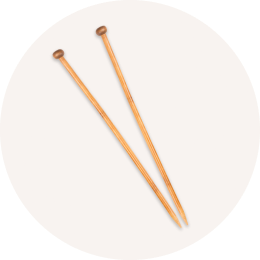
- Knitting needles: Typically made of bamboo, aluminum, or plastic, needles come in various sizes. Beginners usually start with medium-sized needles (US 8/5mm) because they balance ease of handling with visible stitches. Circular needles are versatile but straight needles work fine for small projects.
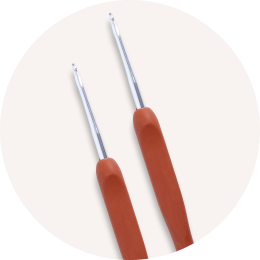
- Crochet hooks: Like needles, hooks come in different sizes and materials. A 5mm (H-8) crochet hook is a great starting point for beginners, working well with medium-weight yarns.
- Yarn: Choose a smooth, medium-weight yarn (often called worsted or aran weight). Avoid novelty or super fine yarns at first because they make it harder to see stitches.
- Measuring tape: To check gauge and ensure your project dimensions are accurate.
- Yarn needle or tapestry needle: Used for weaving in ends and sewing pieces together.
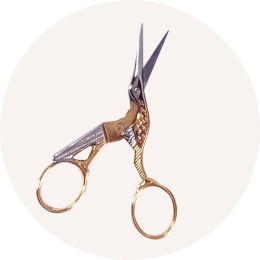
- Scissors: A small, sharp pair dedicated to cutting yarn cleanly.
- Stitch markers: These help you keep track of pattern repeats or stitch counts, especially handy when working in rounds or complex patterns.
- Row counter: Optional but useful to track rows or pattern repeats, keeping your work consistent.
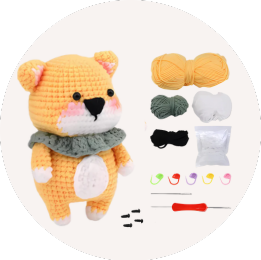
These tools form the minimum you need to start knitting or crocheting successfully. If you’re wondering about a crochet starter kit, many kits bundle these essentials, along with patterns and instructions to keep you moving forward confidently.
What Hooks & Needles Includes vs What You Might Already Own
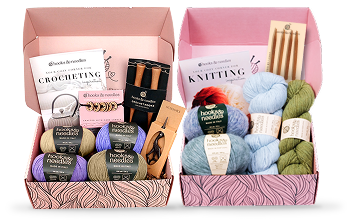
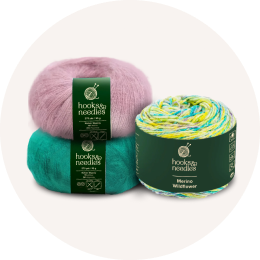
Hooks & Needles subscription boxes are designed to give you every tool you need in your first box — nothing extra to buy. Unlike buying individual tools piecemeal, each box provides high-quality needles or hooks, yarn matched to the project, stitch markers, a measuring tape, a yarn needle, and scissors. The convenience is knowing you have the right tools and materials without second-guessing what’s missing.
If you already own some tools like scissors or measuring tape, that’s great! You can save those for later boxes or replace worn tools when the subscription provides upgrades. The idea is to build your complete toolkit over about 10 boxes, gradually adding tools and techniques so you’re never overwhelmed.
For instance, the first box focuses on basics, while later boxes might introduce specialty hooks, blocking mats, or gauge tools. This progressive approach helps you focus on learning stitches and patterns before adding advanced accessories.
Common Mistakes When Choosing Knitting Crochet Tools and How to Fix Them
One common mistake is buying needles or hooks that are too small or too large for your yarn, which makes stitches hard to see or creates a fabric that’s too tight or loose. To fix this, always check the yarn label’s recommended needle or hook size and start there.
Another pitfall is skipping accessories like stitch markers or row counters, thinking they’re optional. These small tools save you from unraveling hours of work by helping you track your progress exactly, so invest in a pack early on.
Finally, beginners sometimes grab novelty or textured yarn because it looks fun, but these yarns can hide stitches and frustrate new knitters and crocheters. Stick with smooth, medium-weight yarns until you feel confident.
Pro Tips for Building Your Knitting Crochet Toolkit
Start simple and upgrade tools as you go. Your first knitting crochet tools beginners really need are quality needles or hooks and good yarn. Avoid cheap tools that can snag or bend easily — they slow your progress and cause frustration.
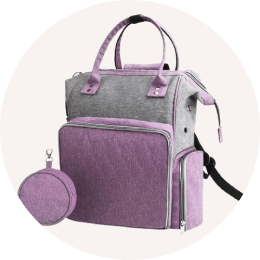
Keep your tools organized in a dedicated project bag or case. This habit saves time searching and keeps your yarn safe from pets or tangles. You can learn more about how to organize your tools effectively in our post about Hooks & Needles for absolute beginners.
Gauge swatching is key — use your measuring tape right away to check tension and adjust needle or hook size if needed. This step prevents surprises when your project turns out bigger or smaller than expected.
Ready to make your next project this good?
Mrs. Quilty delivers a complete quilting project to your door every month — pre-coordinated fabric, tools, pattern, and video guidance included. Over 65,000 quilters have started their journey here. Box 1 is designed for exactly where you are right now.
Use LEARN20 for 20% off your first box

How Much Does It Cost to Build a Starter Kit?
Many beginners wonder about the cost involved in starting knitting or crocheting. Buying tools separately can add up quickly: decent needles or hooks range from $5 to $15 each, yarn skeins around $5 to $10, plus accessories like scissors, stitch markers, and measuring tapes. When you add it all up, a full starter kit can cost $40 to $70 if bought individually.
Subscription kits like Hooks & Needles provide excellent value by bundling quality tools, yarn, and patterns for roughly the same price or less, with the bonus of expert guidance. Plus, you avoid buying unnecessary extras because the kit is curated to include only what you need for each project.
By building your toolkit over several boxes, you spread out the investment and develop skills steadily, making your crafting journey more manageable and enjoyable.
Understanding Craft Terms: Gauge, Tension, and More
If terms like gauge, tension, slip stitch, or yarn weights feel confusing, you’re not alone. Gauge refers to how many stitches and rows fit into a specified measurement, usually 4 inches. Getting gauge right ensures your project’s size is accurate. Tension is how tightly or loosely you hold your yarn while working — it affects gauge and the look of your stitches.
Slip stitch is a simple crochet technique used for joining or moving the yarn without adding height. Yarn weights describe thickness — from fine lace to bulky — and help you choose the right needle or hook size. Knowing these terms helps you pick tools and materials that match your patterns and avoid frustration.
Hooks & Needles includes explanations and tutorials for these terms with each box, so you always understand what you’re doing and why.
Closing Thoughts
Knowing exactly what tools you need to start knitting and crocheting takes the guesswork out of your craft journey. You don’t have to buy everything at once or feel lost in a sea of options. A focused toolkit with quality needles or hooks, yarn, and essential accessories sets you up for success.
Building your toolkit gradually, especially with a subscription box that delivers everything you need, helps you stay motivated and confident. Remember, the right tools don’t just make projects easier — they make crafting more enjoyable.
If you want to explore thoughtfully curated knitting crochet tools beginners rely on, Hooks & Needles offers a way to grow your skills and supplies together, with no extra purchases needed for your first box.
FAQ
What are the absolute essential tools to start knitting and crocheting?
You need quality knitting needles or crochet hooks (around 5mm size), medium-weight yarn, a measuring tape, yarn needle, scissors, and stitch markers. These basics cover most beginner projects comfortably.
Can I start knitting or crocheting without buying a full starter kit?
Yes, you can buy tools individually, but starter kits or subscription boxes ensure you have all the right tools and yarn matched to your skill level, which simplifies starting and avoids unnecessary purchases.
How much should I expect to spend on beginner knitting crochet tools?
Expect around $40 to $70 for a complete set if bought individually. Subscription kits offer competitive pricing with curated tools and yarn, often including project patterns and guidance.
What does Hooks & Needles include in its beginner boxes?
The first box includes needles or hooks, yarn, measuring tape, yarn needle, scissors, stitch markers, and detailed patterns with video tutorials, providing everything you need to start without extra purchases.
How do I know which needle or hook size to use?
Check the yarn label for recommended sizes and start with those. For medium-weight yarns, a 5mm needle or hook is a good standard. Adjust based on your tension and gauge swatch results.