Quick Summary
You want to start knitting or crocheting but worry about complicated patterns or joint pain slowing you down. By the end, you'll understand how to pick easy, joint-friendly projects with clear patterns designed for seniors, plus discover how crafting creates a welcoming, supportive community. If you’re a retiree or senior looking to start a new yarn craft hobby, this is for you.
Why Seniors Often Hesitate to Start Knitting or Crochet
Maybe you’ve thought about picking up knitting or crochet but felt overwhelmed by the tiny stitches, complex patterns, or the fear that your hands might not keep up. It’s common for seniors to worry about joint pain or arthritis making yarn crafts uncomfortable. You might also feel lost in a sea of pattern choices and yarn types that seem designed for younger, more experienced crafters. These worries can stop you before you even start, leaving you missing out on a rewarding hobby that fits perfectly with retirement life.
The good news is that knitting and crochet for seniors beginners is very doable—with the right approach. Choosing larger needles or hooks, soft yarns, and simple, well-designed patterns makes crafting comfortable and enjoyable. Plus, many seniors find the rhythmic motions soothing and mentally stimulating. When you know what to look for and how to avoid common pitfalls, you can confidently start a new hobby that’s gentle on your joints and rich with creative satisfaction.
Clarity and confidence come from understanding the basics without getting overwhelmed. That means learning terms like gauge, tension, or slip stitch in plain language and focusing on projects that don’t require complicated counting or small, fiddly stitches. Once you get going, knitting or crocheting can feel as natural and relaxing as your morning coffee ritual.
Knitting Crochet for Seniors Beginners: Choosing the Right Projects and Materials
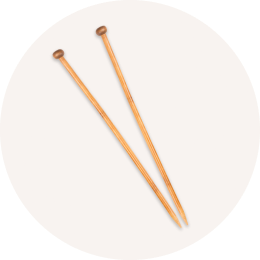
One of the biggest keys to success is picking projects that match your comfort level and physical needs. Look for patterns that use larger knitting needle sizes (like US 9 or above) or crochet hooks that fit comfortably in your hand. Larger needles and hooks mean bigger stitches, which reduce hand strain and make it easier to see your work. Soft yarns such as acrylic blends or cotton are gentle on sensitive skin and joints.
Patterns designed specifically for seniors often feature larger print instructions and straightforward stitch sequences. These low-complexity designs avoid advanced techniques like cables or lacework, focusing instead on stitches like single crochet or basic knit and purl that build confidence quickly. For example, a simple scarf or blanket can be a gratifying first project, providing a sense of accomplishment without frustration.
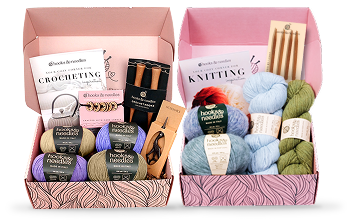
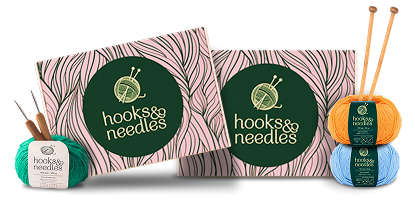
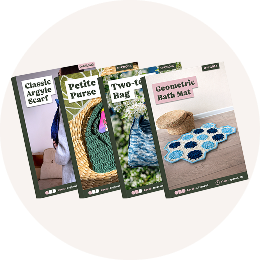
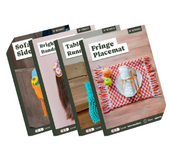
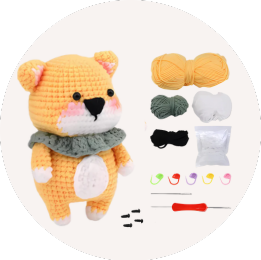
Keep in mind that some projects are especially joint-friendly because they don’t require tight tension or twisting motions. Projects like chunky cowls, oversized shawls, or cozy hats allow you to relax your hands while crafting. If you want to dive deeper, many yarn craft subscription for older adults services, like Hooks & Needles, deliver pre-selected yarns, patterns, and tools that fit these criteria — saving you the guesswork and hassle of shopping.
Common Mistakes Seniors Make When Starting Knitting or Crochet + Fixes
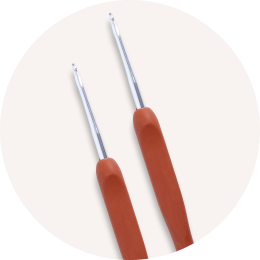
A frequent mistake is choosing patterns or yarn that are too fine or require small needles, which can cause hand cramps and frustration. To fix this, always opt for bulky yarns and corresponding larger needles or hooks that feel easier to control. Don’t hesitate to try ergonomic crochet hooks or cushioned grips designed to reduce strain.
Another trap is rushing through stitches or skipping gauge checks, which leads to uneven work or projects that don’t fit as expected. Take your time to practice tension consistently and measure your gauge with a swatch before starting your main piece. This saves time and frustration later.
Finally, many seniors underestimate the value of community. Working alone without support can cause discouragement. Joining a local knitting group or online community tailored for senior knitting beginners can provide encouragement, tips, and social connection that enrich the experience.
Pro Tip: How to Make Your Knitting and Crochet Experience Easier and More Enjoyable
Invest in ergonomic tools such as lightweight knitting needles or crochet hooks with soft grips. These reduce hand fatigue and are designed with comfort in mind. Additionally, using stitch markers and row counters can simplify counting and pattern tracking, so you don’t have to keep everything in your head.
Choose patterns with repeat stitches or simple shapes to build muscle memory and confidence. Breaking your project into smaller, manageable sessions also helps prevent overuse and joint strain. Remember, knitting and crochet are meant to be relaxing — pace yourself and enjoy the process.
If you’re curious about how crafting can also reduce stress and anxiety, Hooks & Needles offers insights on knitting crochet for anxiety that many seniors find helpful to complement their new hobby.
How Community Enhances the Senior Knitting and Crochet Hobby
Joining a crafting circle or online forum can transform knitting crochet for seniors beginners from a solo pastime into a shared passion. Social interaction not only motivates you to keep going but also opens doors to learning new techniques and sharing project ideas. Senior-friendly groups often use larger print patterns and slower-paced teaching styles, making it easier to stay engaged and connected.
Crafting communities can also offer emotional benefits, including reduced feelings of isolation that sometimes come with retirement. Sharing your progress and seeing others’ projects builds a sense of belonging. If you’re looking for a seamless way to join this kind of community while receiving curated materials and guidance, consider yarn craft subscription for older adults services, which pair social support with convenience.
If you want a gentle introduction to yarn crafts, check out Hooks & Needles for absolute beginners, where detailed instructions and community support create a welcoming environment for new crafters.
Ready to make your next project this good?
Mrs. Quilty delivers a complete quilting project to your door every month — pre-coordinated fabric, tools, pattern, and video guidance included. Over 65,000 quilters have started their journey here. Box 1 is designed for exactly where you are right now.
Use LEARN20 for 20% off your first box

Keeping It Simple: Tools and Terms Explained
You might hear terms like gauge, tension, or slip stitch and feel unsure what they mean. Gauge is simply how many stitches and rows fit into a specific measurement, usually an inch or 4 inches, and it ensures your project turns out the right size. Tension refers to how tightly or loosely you hold your yarn while knitting or crocheting; consistent tension is key to an even fabric.
A slip stitch is one of the simplest crochet moves — it’s a way to move your yarn without adding height to your work, useful for joining rounds or finishing edges neatly. Understanding these basics makes patterns easier to follow and reduces confusion.
For seniors, using tools like larger knitting needles sizes or crochet hooks with ergonomic grips can make a huge difference in comfort. Yarn weights like bulky or super bulky yarns create bigger stitches that are easier to see and handle, reducing eye strain and hand fatigue.
Closing Thoughts
Starting knitting or crocheting in retirement doesn’t have to feel intimidating or uncomfortable. By choosing the right materials, simple patterns, and tools designed for comfort, you can enjoy a new hobby that’s both creative and gentle on your body. Remember, crafting is as much about the journey as the finished piece — taking your time and celebrating small wins builds confidence and joy.
The community around knitting and crochet adds a wonderful social layer, offering support and friendship that enrich your retirement days. Whether you prefer quiet solo crafting or sharing progress with others, there’s a place for you in the yarn crafting world.
Hooks & Needles makes starting to knit or crochet in retirement easy — everything arrives ready to use, with clear instructions and support every step of the way. This personalized approach helps you move from curious beginner to confident crafter without overwhelm.
FAQ
What are the best yarn types for seniors starting knitting or crochet?
Soft, lightweight yarns like acrylic blends or cotton are ideal because they’re gentle on sensitive skin and easy to handle. Bulky yarns also reduce hand strain by creating larger stitches.
How can I avoid joint pain while knitting or crocheting?
Use ergonomic needles or hooks with cushioned grips, take breaks often, and choose projects with larger stitches to minimize hand strain. Stretching your hands gently before and after crafting also helps.
Are there knitting or crochet groups specifically for seniors?
Yes, many local and online groups focus on senior crafters, offering larger print patterns and slower-paced lessons. These communities provide support, friendship, and project ideas tailored for older adults.
What tools should I start with as a senior beginner?
Begin with larger knitting needles (size US 9 or above) or crochet hooks with ergonomic grips, bulky yarn, stitch markers, and a row counter to keep track of your progress easily.
How can a yarn craft subscription help seniors new to knitting or crochet?
Subscriptions deliver curated materials, simple patterns, and video tutorials straight to your door, removing the guesswork and making it easy to start and complete projects at a comfortable pace.