Quick Summary
You do not need a full skein to make something useful, and that is usually the part that gets overlooked when scraps start piling up. With the right leftover yarn scrap projects, you can match tiny yardages to small wins, use what you already own, and stop treating every odd ball like a problem waiting for a bin. If you have been staring at a basket of leftovers and wondering what is actually worth making, this is for you.
You probably already know the feeling: one partial skein from a hat, a few leftover yards from a scarf, and a handful of colors that look too nice to throw away but too small to become anything useful. That is exactly where leftover yarn scrap projects earn their keep. The trick is not finding one giant project that magically uses everything. The trick is matching the amount you have to a project that fits, so the yarn stops sitting around and starts doing real work.
That approach also changes how you shop and plan. Instead of buying new yarn every time inspiration hits, you can build a small list of projects that make sense for 10 yards, 25 yards, 50 yards, or a bit more. If you like small crochet projects for beginners, this same logic helps you choose patterns that finish fast and feel satisfying without demanding perfect yardage. It is a calmer way to craft, and honestly, it is often the fastest way to clear visual clutter from your stash.
There is one important thing to say up front: not every scrap is worth saving, and not every leftover deserves a project. Very short ends, fuzzy singles, and yarn that breaks down easily may be better used for stuffing, practice swatches, or color tests. What follows is a practical way to sort the keepers from the truly tiny bits, then turn the keepers into useful, finished items instead of a drawer full of almosts.
How to match leftover yarn to the right project
The easiest way to stop overthinking scrap yarn is to sort it by rough yardage, not by emotion. A 10-yard strand is useful for a pom-pom tie, a hanging loop, or a tiny accent. Around 25 to 40 yards can handle a mug cozy detail, a bookmark, or a pair of simple granny squares. Once you get into 50 to 100 yards, you can start thinking about coasters, small pouches, dishcloth borders, or striped accessories. That is the real heart of yarn stash busting: not forcing one yarn to do everything, but giving each amount a job it can actually finish.
Fiber content matters too. Cotton scraps are great for absorbent items like dishcloths, face scrubbies, and coasters. Wool scraps are better for warmth, texture, and small accessories. Acrylic is often the most forgiving when you are testing color combinations or making decorative pieces. If you are mixing yarns, keep the weight consistent when possible. A worsted-weight scrap will behave very differently from fingering weight, even if the colors look perfect together. Matching yarn weight to the project keeps tension more even and helps the finished piece look intentional instead of improvised.
One more small but useful term: yardage means the length of yarn you have, while gauge means how many stitches and rows fit into a certain space. For scrap projects, gauge matters less than it does in fitted garments, but it still affects size and drape. If your scraps are all different weights, choose projects where exact sizing is not the point. That is why small projects with scrap yarn work so well for ornaments, storage, and home items. They let you use what you have without fighting the yarn into a shape it does not want to make.
Leftover yarn scrap projects that work with common yardages
If you have only a few yards left, keep the goal tiny and useful. Short lengths are perfect for tassels, fringe, twisted cord ties, hanging loops, and tiny appliqué details. A little more yarn can become a flower, a heart, a star, or a mini motif that can later be stitched onto a larger item. These are not throwaway ideas; they are the fastest way to turn leftovers into something deliberate. When a project is small enough to finish in one sitting, you are far more likely to actually use the yarn instead of saving it for a mythical future project that never arrives.
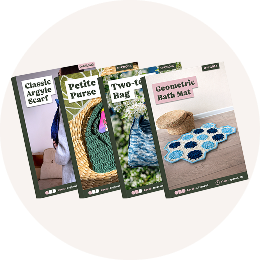
With moderate scraps, think in terms of accessories and home items. Crochet coasters, knit mug cozies, dishcloths, washcloths, bookmarks, and simple headbands all fit well into the “I have enough, but not enough for a full garment” category. If your scraps are colorful, striped patterns are your friend because they make mismatched leftovers look planned. If you want more ideas that stay practical and quick, a stash-friendly source like crochet subscription variety can also help you see how different textures and colors can be combined without wasting materials.
For larger leftovers, you can do more than one small project or combine scraps into a bigger one. Granny squares, patchwork-style blankets, striped scarves, and color-blocked pouches all work well when each leftover is not quite enough on its own. The key is staying honest about what you have. If your yarn will only cover a few rows, make it a border, a stripe, or a detail. If you have several matching leftovers in the same weight, you can build a coordinated set instead of one oversized project that runs out halfway through.
Common mistakes when using scrap yarn, and the fixes
The most common mistake is saving every leftover without a system. That usually leads to tangled bins, mystery lengths, and a lot of decision fatigue. A better fix is to keep scraps sorted by weight, fiber, or color family, then store them in small bags or labeled bins. Another common issue is mixing yarns that look similar but behave differently. A cotton-and-acrylic combo may seem harmless until one side stretches and the other stays stiff. If you want a project to look polished, keep your yarns close in thickness and texture, or use contrast on purpose so the difference feels designed rather than accidental.
Another mistake is choosing a project that needs more yarn than you actually have. That sounds obvious, but scraps can be deceptive. A full-looking ball may still only contain enough for a border or a small motif. The fix is to estimate conservatively and start with projects that can grow or stop naturally. Stripes, motifs, borders, and modular pieces are much safer than one-piece items with a fixed size. If you are knitting, swatching a few rows first can help you see how far the yarn will really go. If you are crocheting, a quick chain test can tell you whether the strand is worth using for a small item or should be saved for accents.
People also get stuck trying to make scraps look like new yarn. They do not need to. Scrap projects often look best when they embrace variety. That does not mean random and messy; it means thoughtful contrast, repeated colors, and a clear structure. A striped washcloth looks intentional. A patchwork pouch looks charming. A set of coasters in related colors looks curated. The fix is not hiding the leftovers. The fix is giving them a job that suits their scale and letting the small differences become part of the design.
Pro tip for making scraps look intentional
Pick one unifying element and repeat it. That might be the same stitch, the same border, the same color family, or the same yarn weight. When the structure stays consistent, even wildly different leftovers can look like they belong together. This is especially helpful for small projects with scrap yarn, because the finished piece needs a visual anchor. A simple single crochet border around a mix of granny squares, for example, can make the whole project feel calm instead of chaotic. In knitting, a garter-stitch edge or ribbed trim can do the same thing.
Another smart move is to use scraps where imperfections are easy to forgive. Dishcloths, mug cozies, baskets, coasters, and plush accents do not need exact sizing the way a sweater does. That means you can focus on finishing instead of fussing. If you want the project to last, choose a stitch that behaves well with your yarn. Tight, dense stitches are better for structure, while open stitches can show off color changes. The more you match the stitch to the yarn, the less likely you are to end up with a piece that curls, stretches, or feels floppy in the wrong way.
Want every project pre-planned for you?
Each Mrs. Quilty box arrives with 17+ handpicked items valued at over $90 — coordinated fabric, notions, an exclusive pattern, and step-by-step video tutorials. No decisions, no guesswork. Just open the box and quilt.
Use LEARN20 for 20% off your first box

Easy project ideas by yarn amount
If you are trying to decide what to make right now, use this as a rough map rather than a strict rulebook. With very small leftovers, go for embellishments like tassels, bows, mini hearts, or appliqués. With medium scraps, try coasters, scrubbies, bookmarks, or striped accessories. With multiple leftovers in the same weight, you can move into patchwork-style projects, small blankets, or a set of matching home items. The point is not to squeeze every inch out of the yarn. The point is to choose a project that finishes cleanly and leaves you feeling organized instead of stuck.
Knitters and crocheters can both benefit from this kind of planning, even if the stitches are different. Crochet often gives you denser fabric and strong shapes, which is helpful for containers and home goods. Knitting can create softer, stretchier fabric that works well for accessories and textures. Either way, the best scrap project is the one that matches your yarn amount, your patience, and your intended use. If you are in the middle of a yarn cleanup, choose one project category and finish it before moving on. That is how leftover bins slowly become useful things instead of a permanent craft museum.
And if your stash is mostly a mix of colors you love but do not know how to combine, start with one repeatable format. Make three coasters. Make two mug cozies. Make a set of washcloths. Repetition helps you see what works, and it gives scraps a chance to become a coordinated collection. That is often more satisfying than forcing a single oversized piece from leftovers that were never meant to match in the first place.
Closing Thoughts
Leftover yarn does not need to be a guilt pile. Once you sort scraps by yardage and choose projects that fit the amount you actually have, the whole process gets easier. You stop asking, “What can I make from this exact ball?” and start asking, “What is the best use for this amount?” That small shift is what makes stash busting feel practical instead of messy. It also helps you finish more often, which is usually the real goal when the basket starts overflowing.
Keep the projects small when the yarn is small, keep the structure simple when the colors are busy, and let the yarn tell you what it wants to become. That is the quiet advantage of good scrap planning: less waste, fewer unfinished ideas, and more finished pieces you can actually use. If you want more clear, modern yarn-craft ideas with the same kind of practical guidance, Hooks & Needles is here to be your trusted guide to yarn crafts with modern patterns and clear instructions.
FAQ
What can I make with very small yarn scraps?
Very small scraps work well for tassels, fringe, appliqués, tiny motifs, hanging loops, and decorative accents. If the yarn is too short for a full piece, use it where a little length goes a long way.
How do I know if I have enough scrap yarn for a project?
Start by estimating the yardage and matching it to a project that fits that amount. If you are unsure, choose something modular or decorative so it can stop naturally before the yarn runs out.
Can I mix different yarn weights in one scrap project?
You can, but it works best when the differences are intentional. Keep the heavier yarn as an accent, border, or stripe, and avoid mixing weights in areas that need to stay even and structured.
What are the best crochet scrap projects for beginners?
Simple coasters, dishcloths, scrubbies, and granny squares are reliable choices because they use small amounts of yarn and do not require exact sizing. They also make it easier to practice tension and stitch consistency.
Should I save every leftover yarn bit?
No. Keep the scraps that are long enough to be useful for small projects, accents, or color tests, and let the truly tiny pieces go. A smaller, organized stash is much easier to use than a bin full of unusable ends.