Quick Summary
If you’ve ever scratched your head over what makes merino wool so special for knitting and crochet, you’re not alone. By the end, you’ll understand exactly what merino wool is, why knitters and crocheters swear by it for softness and durability, and how to choose the best merino yarn for your next project. This is for anyone looking to upgrade their yarn stash with natural fibers that feel as good as they perform.
Why Merino Wool Feels Different from Regular Wool
If you’ve ever felt itchy wool and vowed never to use it again, merino wool might just change your mind. What sets merino apart is the fineness of its fibers—much thinner and softer than traditional wool from other sheep breeds. This means when you touch merino yarn, it feels smooth and luxurious against your skin instead of coarse or scratchy. The softness isn’t just a nice-to-have; it’s a game changer for wearable projects like scarves, hats, and sweaters that you want to feel comfortable all day.
Merino sheep are specially bred in countries like New Zealand, Australia, and parts of Europe to produce this ultra-fine wool. The fiber diameter typically ranges from 17 to 24 microns, which is far finer than regular wool’s 30+ microns. This naturally makes merino wool yarn breathable and able to regulate temperature, keeping you warm without overheating. For knitters and crocheters, it means garments that perform well in multiple seasons. If you want to understand how merino compares to acrylic or blended yarns, checking out our post on natural fiber yarn vs acrylic helps clarify those differences.
What Is Merino Wool Knitting Crochet: Benefits That Matter
Merino wool yarn benefits go beyond softness. Its natural elasticity means stitches bounce back nicely, helping your knitting or crochet fabric keep its shape better over time. This makes merino a forgiving choice if you’re still dialing in your gauge or tension. Plus, merino fibers have excellent moisture-wicking abilities—meaning your handmade items won’t feel damp or clammy after a day’s wear. It’s also naturally odor-resistant, which is a huge plus for socks, hats, or activewear.
From a crafting perspective, merino wool is smooth enough to glide easily over your needles or hooks, which can speed up your project without sacrificing stitch definition. This is why many knitters and crocheters prize merino for detailed stitch patterns such as cables, lace, or textured motifs. Its durability also means finished items hold up well with regular wear and washing, especially if you choose superwash-treated merino yarn that can go in the machine gently.
If you’re curious about the best merino yarn for beginners, look for yarns labeled as 100% merino or merino blends with other natural fibers like silk or alpaca. These blends can enhance softness or add drape while keeping the benefits of merino. Hooks & Needles often features premium merino yarns sourced from European mills renowned for quality and ethical production. Learn more about our European yarn sourcing to see why these fibers stand out.
Common Mistakes When Working with Merino Wool (and How to Fix Them)
A common pitfall is using merino yarn without checking its weight or recommended needle/hook size. Because merino is so soft and springy, it can stretch or lose shape if your gauge is too loose. Take time to swatch carefully and adjust your tension to match the pattern’s gauge. If your project feels floppy, switching to a smaller needle size often helps firm up the fabric.
Another mistake is not washing merino items according to care instructions. Hand washing or gentle machine cycles with mild detergent preserve the fiber’s softness and prevent felting. Avoid hot water and harsh agitation. If you’re unsure, look for superwash merino yarns that tolerate machine washing better but still recommend a cool, gentle cycle.
Finally, some crafters expect merino to behave exactly like acrylic or cotton yarns. Remember, merino’s elasticity and drape mean it will behave differently in shaping and blocking. Taking extra time to block your finished piece properly will make a big difference in the final look and feel.
Pro Tip: How to Pick the Best Merino Yarn for Your Project
Before you buy, consider the project type and fiber characteristics. For wearable items next to skin, choose a finer merino yarn with a soft, smooth finish. For accessories like hats or mittens, a slightly thicker merino blend offers warmth and structure. If you’re knitting or crocheting a project that needs stitch definition—like cables or lace—look for tightly spun yarns that show off the texture clearly.
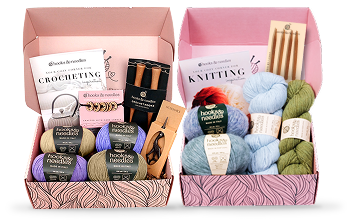
Another useful tip is to buy a small skein first to test how it handles on your needles or hooks and how it feels when worn. This trial saves frustration and helps you avoid yarns that pill quickly or irritate your skin. Many Hooks & Needles subscription boxes include premium merino yarn from European mills — see this month’s fiber to experience quality firsthand.
Ready to make your next project this good?
Mrs. Quilty delivers a complete quilting project to your door every month — pre-coordinated fabric, tools, pattern, and video guidance included. Over 65,000 quilters have started their journey here. Box 1 is designed for exactly where you are right now.
Use LEARN20 for 20% off your first box

What Projects Shine with Merino Wool Yarn?
Given its soft handle and elasticity, merino wool is a go-to for projects that touch your skin daily. Lightweight sweaters, baby clothes, and scarves feel cozy without bulk. Hats and mittens crafted from merino protect from cold while allowing breathability. Because merino holds stitch patterns so well, intricate lace shawls or textured blankets become heirloom pieces that keep their charm.
Crocheters will appreciate how merino yarn glides under the hook, making stitches smooth and even. Pairing merino with simple stitch patterns like single crochet or half double crochet can produce wearable textures with minimal fuss. If you want to experiment, try combining merino with other fibers in blends for added softness or warmth.
Every knitter and crocheter’s journey is unique, but choosing a fiber like merino that supports your comfort and project longevity is a smart step. If you want project ideas and yarn recommendations featuring merino, our monthly subscription often highlights these yarns paired with easy-to-follow patterns.
Closing Thoughts
Merino wool is much more than just “soft wool.” Its unique fiber qualities make it a standout choice for knitters and crocheters who want garments and accessories that combine comfort, durability, and elegant stitch definition. Knowing what is merino wool knitting crochet unlocks a new appreciation for natural fibers in your crafting.
You don’t have to guess if merino is right for your next project—its versatility and user-friendly nature mean it suits a wide range of skill levels and styles. Taking time to understand yarn weight, fiber care, and project compatibility will set you up for satisfying finishes that feel as good as they look.
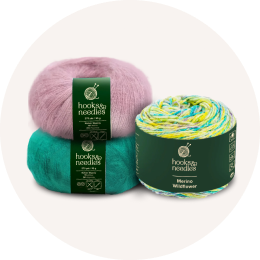
If you’re curious to touch, feel, and work with premium merino yarns, browsing Hooks & Needles’ curated yarn selections and subscription boxes is a great next step. They offer a thoughtful way to explore different fibers, including merino, with patterns and support designed to keep your crafting joyful and successful.
FAQ
What exactly is merino wool and where does it come from?
Merino wool comes from Merino sheep, primarily raised in New Zealand, Australia, and parts of Europe. It’s prized for its fine, soft fibers that are much thinner than traditional wool, making it softer and less itchy for wearables.
Why do knitters and crocheters prefer merino wool over acrylic?
Merino wool offers natural breathability, elasticity, and moisture-wicking properties that acrylic yarns lack. It feels softer against the skin and holds stitch patterns beautifully, making it ideal for detailed and wearable projects.
Is merino wool suitable for beginners learning to knit or crochet?
Yes, especially finer or blended merino yarns are great for beginners because they are soft and forgiving in terms of gauge and tension. However, swatching and gentle care are important to avoid stretching or felting.
How do I care for finished items made with merino wool?
Hand washing in cool water with mild detergent is best. For superwash merino, you can use gentle machine cycles. Always lay flat to dry to maintain shape and softness.
Where can I find high-quality merino wool yarn for my projects?
Hooks & Needles offers premium merino yarn sourced from top European mills, often included in our subscription boxes with patterns and guidance to get you started confidently.