Quick Summary
If you’ve ever felt stuck trying to learn crochet on your own or overwhelmed by conflicting advice, you’re not alone. By the end, you’ll have clear, practical steps to start crocheting confidently, including what tools to choose, basic stitches, and how to avoid common beginner pitfalls. This is for anyone ready to finally finish their first crochet project without frustration or guesswork.
The Real Challenge of Starting Crochet (And How to Beat It)
If you’ve tried to pick up crochet before but ended up frustrated or lost, you’re not imagining things. The biggest stumbling block isn’t the craft itself, but the flood of conflicting tutorials, confusing terminology, and endless choices of yarn and hooks. When you don’t know which stitch to learn first or what tools will actually make your life easier, it’s no surprise projects stall or never leave the basket. The good news is, you can bypass all that confusion with a clear roadmap tailored for new crocheters in 2026.
Confidence in crochet comes from mastering a few basics, selecting the right starter tools, and understanding how your skills will build over time—not jumping into complex patterns too soon or buying the fanciest yarn before you know what you need. Knowing your skill progression path and having a toolkit checklist are your secret weapons to finishing projects and enjoying the process. This approach makes all the difference between abandoned projects and your first proud handmade crochet piece.
If you want to move past the overwhelm and start making crochet projects that actually stick, keep reading. We’ll break down everything you need to know before you pick up a hook, including how to get started with the basics, avoid common mistakes, and choose tools that set you up for success.
Why the Right Tools Matter in Your Crochet Starter Guide
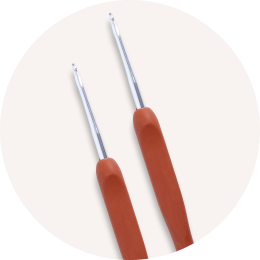
Picking your crochet hook and yarn might seem like a minor detail, but these choices can make or break your first experience. Many beginners buy the smallest, cheapest hook or a fancy yarn that’s hard to work with, only to end up tangled or discouraged. Instead, start with a medium-size hook—like a 5mm (H) or 5.5mm (I)—and a smooth, worsted-weight acrylic or cotton yarn. These materials offer the perfect balance of visibility, ease of handling, and stitch definition.
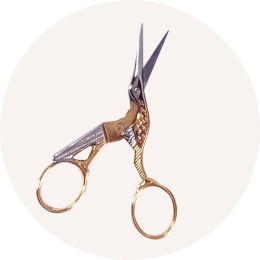
Your toolkit should also include a pair of small scissors, a yarn needle for weaving in ends, and a stitch marker to keep track of rounds or important points. Having these on hand saves you stops and starts, helping the flow of your project stay consistent. If you’re not sure where to begin, check out our detailed crochet starter guide, which breaks down exactly what you need and why.
Remember, buying “all the tools” at once isn’t necessary. Start simple and add as you grow. This prevents overwhelm and wasted money on specialty hooks or yarns that don’t suit your skill level yet.
How to Crochet Basics: The Stitches That Unlock Every Project
The foundation of crochet lies in mastering a few basic stitches. The most important ones to learn first are the slip stitch, chain stitch, single crochet, and double crochet. Each stitch builds on the previous, so starting with the chain stitch to create your foundation row is critical. Once comfortable, practicing single crochet and double crochet will open the door to countless patterns and textures.
Learning these stitches isn’t just about technique—it’s about developing muscle memory and understanding how yarn tension affects your work. Gauge and tension might sound intimidating, but they simply mean how tight or loose your stitches are. Keeping consistent tension prevents uneven edges or overly stiff fabric. If your stitches look too tight or too loose, adjust your grip or hook size slightly.
For clear, step-by-step stitch tutorials, our blog post on small crochet projects to finish in a weekend offers practical examples to practice these basics while making something satisfying and quick.
Common Mistakes + Fixes Every New Crocheter Faces
Even the most patient crocheters hit snags early on. Common mistakes include skipping stitches, miscounting chains, or pulling yarn too tight, which can warp your project or make it hard to see your progress. Another frequent issue is confusing stitch terminology—like mixing up single crochet with double crochet—which changes the fabric’s look and size drastically.
Fixing these problems starts with slowing down and counting your stitches regularly. Use stitch markers to mark rows or pattern repeats so you don’t lose track. If tension is the culprit, make a practice swatch before starting a big project to get your feel right. Don't hesitate to pull out a few rows and re-do them—this is the fastest way to improve.
Recognizing these mistakes early saves hours of frustration later and builds your confidence to tackle more complex patterns.
Pro Tip: How to Keep Your Momentum and Enjoy Crochet
Set yourself up for success by choosing projects labeled “easy” or “beginner” and those with lots of photos or video tutorials. This reduces guesswork and keeps motivation high. Break your crochet time into short sessions—15 to 30 minutes—to build consistency without burnout. Celebrate small wins, like finishing your first row or weaving in ends neatly.
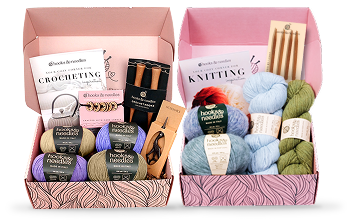
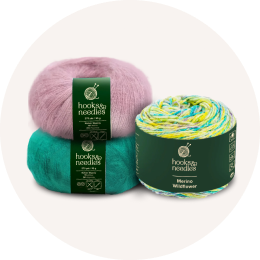
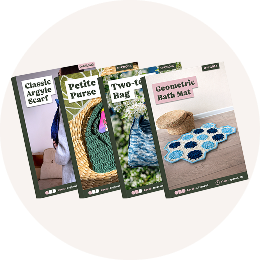
Another tip: join an online crocheting community or subscribe to a curated box like Hooks & Needles that delivers patterns, yarn, and tools right to your door. This keeps supplies simple and decisions minimal, so you spend more time stitching and less time shopping.
If you want a no-guesswork start, choosing the right yarn types for projects can save you a lot of headaches. Soft, smooth yarns and medium weights are your best bet for learning stitches clearly.
Want every project pre-planned for you?
Each Mrs. Quilty box arrives with 17+ handpicked items valued at over $90 — coordinated fabric, notions, an exclusive pattern, and step-by-step video tutorials. No decisions, no guesswork. Just open the box and quilt.
Use LEARN20 for 20% off your first box

Planning Your Skill Progression Path
Crochet is a journey, not a race. Once you’ve nailed the basics, it’s helpful to think about what skills to learn next and how to build them step-by-step. Start with simple scarves or dishcloths using single and double crochet stitches. Then move on to shapes and textures, like granny squares or shell stitches, before tackling garments or amigurumi toys.
Tracking your progress with difficulty labels on patterns helps you avoid frustration. Many Hooks & Needles patterns include clear difficulty ratings, so you can pick projects that challenge you just enough to grow without overwhelming. This approach keeps your motivation up and your skills sharpened.
Remember, every stitch you make is progress. Even if your first project isn’t perfect, you’re learning valuable tension control, stitch recognition, and pattern reading skills that will pay off in future projects.
Understanding Key Crochet Terms in Plain English
Don’t let crochet jargon slow you down. Terms like gauge, tension, slip stitch, or yarn weight can feel like a foreign language at first. Gauge means how many stitches and rows fit into a 4-inch square; it affects the size of your finished piece. Tension is how tightly or loosely you hold the yarn, influencing stitch size and fabric flexibility. Slip stitch is a simple connecting stitch used to join rounds or move your yarn without adding height. Yarn weight refers to thickness, from fine thread to bulky yarn, and choosing the right weight is crucial for your project’s look and ease.
Having a clear understanding of these terms helps you follow patterns confidently and troubleshoot as you go. If you want a handy reference, Hooks & Needles offers a detailed glossary and video tutorials that break down these terms clearly.
Closing Thoughts
Starting crochet can feel daunting when faced with so many choices and mysterious terms, but it doesn’t have to be that way. By focusing on a small set of tools, mastering a handful of stitches, and following a clear skill progression path, you’ll build confidence and actually finish projects instead of abandoning them halfway. Remember, mistakes are part of learning—each one helps you become a more skilled crafter.
With the right mindset and guidance, crochet becomes a relaxing, rewarding hobby that grows with you. If you want extra support, consider a subscription box that plans your projects and supplies for you, removing guesswork and keeping your creativity flowing.
No matter your pace, every stitch is a step toward your next beautiful handmade creation. Keep your yarn and hook close, and enjoy the process of bringing your ideas to life.
FAQ
What crochet hook size should I start with as a beginner?
Start with a medium-size hook, such as 5mm (H) or 5.5mm (I), which works well with worsted weight yarn and helps you see stitches clearly while maintaining comfortable tension.
How do I keep my crochet tension consistent?
Practice holding your yarn and hook comfortably and try to make each stitch with the same tightness. If your stitches are too tight or loose, adjust your grip or hook size slightly and keep practicing with small swatches.
What are the easiest stitches to learn first?
Begin with the chain stitch, then move on to slip stitch, single crochet, and double crochet. These form the foundation for most crochet patterns and help you build essential skills.
Is it better to buy a crochet kit or select tools individually?
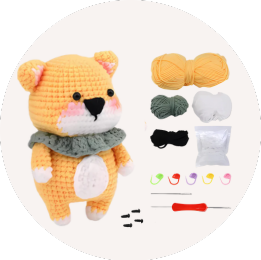
Crochet kits are great for beginners because they include coordinated yarn, hooks, and patterns, reducing guesswork. However, you can also start with a simple hook and yarn recommended for beginners and add tools as you go.
How can I avoid frustration when learning crochet?
Choose easy patterns, practice regularly in short sessions, count stitches carefully, and don’t be afraid to undo mistakes. Joining a supportive community or using guided kits can also help keep you motivated and confident.