Quick Summary
You’re ready to start knitting but feel stuck wondering how to finish your first project without frustration or confusion. By the end, you’ll have a clear roadmap for your knitting for beginners first project, including what to expect in your first three months and how to avoid common pitfalls. If you’ve been searching for a simple, step-by-step way to knit confidently from zero to finished, this is the post for you.
Why Your First Knitting Project Feels Harder Than It Should
Starting to knit for the first time can feel like trying to learn a language overnight — the needles, yarn weights, and stitch names all swirl together into a confusing jumble. You might have tried casting on or making a few rows but then wondered, “What do I do now?” or “How do I even finish this?” This confusion is completely normal, but it often leads to projects being abandoned before they’re done.
The good news is that knitting for beginners first project success isn’t about mastering everything at once. It’s about breaking the process into manageable chunks: learning the basics, building muscle memory, and choosing a project that fits your current skill and time. This approach keeps frustration low and motivation high, making finishing your first project both realistic and enjoyable.
Choosing Your First Project: What To Expect in Your First 3 Months
Your first knitting project should feel like a rewarding challenge, not a marathon. Many beginners find that simple scarves, dishcloths, or basic hats are ideal starting points. These projects use straightforward stitches like knit and purl, and don’t require sizing or shaping skills early on. Expect to spend a few days to a couple of weeks, depending on your available time, before seeing your first finished object.
During months one through three, your focus is on building comfort with your tools—knitting needles and yarn—and learning how to maintain even tension and consistent gauge. This is also the perfect time to experiment with different yarn weights and needle sizes to discover what feels best for your hands. For a helpful overview of yarn weights and how they affect projects, check out this yarn weights complete guide.
Knitting for Beginners First Project: Step-by-Step Skill Progression
Start by mastering the basics: casting on, the knit stitch, and binding off. Practice these until the stitches feel natural and your tension is neither too tight nor too loose. Then add the purl stitch, which opens the door to many simple patterns, like ribbing or seed stitch. Keep your first projects small—something you can finish in a weekend—to build confidence.
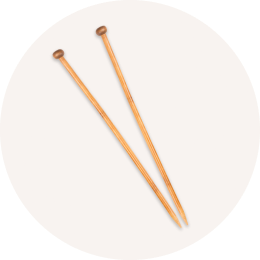
Once you’re comfortable, try combining knit and purl stitches to create texture and pattern. This is also a good moment to learn how to read simple knitting patterns and abbreviations. If you want to understand the tools better, including whether bamboo or metal needles suit you, see this bamboo vs metal needles comparison. Different needles affect your knitting speed and comfort, so picking the right pair makes a big difference.
Common Mistakes + Fixes
Many beginners drop stitches or struggle with uneven tension. Dropped stitches can be fixed by carefully picking them back up with a crochet hook or knitting needle, but prevention starts with slow, deliberate knitting. If your tension is too tight, try loosening your grip on the yarn and needles. Too loose? Pick up your pace slightly or wrap the yarn more snugly around your fingers.
Another frequent challenge is losing track of stitch counts, which can throw off your project shape. Use stitch markers to mark pattern repeats or rows, and count your stitches regularly. This small habit saves hours of frustration later.
Pro Tip: Take Breaks and Use Good Lighting
Knitting is a repetitive task, so hand fatigue and eye strain are common. Schedule short breaks and stretch your fingers and wrists to avoid discomfort. Good natural or bright task lighting helps you see stitches clearly, reducing mistakes and eye fatigue. If you struggle to see small stitches, consider larger needles and chunkier yarn for your first projects.
Ready to make your next project this good?
Mrs. Quilty delivers a complete quilting project to your door every month — pre-coordinated fabric, tools, pattern, and video guidance included. Over 65,000 quilters have started their journey here. Box 1 is designed for exactly where you are right now.
Use LEARN20 for 20% off your first box

How to Build Confidence and Avoid Overwhelm While Learning
Knitting for beginners first project success depends heavily on mindset. It’s easy to feel overwhelmed when patterns mention cables or lace, but those techniques don’t have to come early. Focus on one skill at a time and give yourself permission to make mistakes—they’re part of learning. Many knitters find that structured subscription boxes help by delivering projects that gradually introduce new techniques without pressure.
If you want to experiment with crochet alongside knitting, this crocheting beginners guide can complement your skills nicely. Switching between knit and crochet can keep your crafting fresh and fun.
Key Terms Explained
Gauge: This is how many stitches and rows fit into a 4-inch square. Matching gauge ensures your project will be the right size. Beginners often overlook gauge, but it’s crucial for garments or fitted items.
Tension: Tension is the tightness of your stitches. Even tension means your stitches aren’t too tight or loose, making your fabric look neat and consistent.
Slip Stitch: A basic technique to move stitches without knitting them, often used to create patterns or edges.
Closing Thoughts
Finishing your knitting for beginners first project is about pacing yourself and celebrating small wins. Each stitch you complete builds muscle memory and confidence, bringing you closer to a finished item you can be proud of. Remember, every expert knitter started exactly where you are — unsure which needle to pick up first and wondering how to finish that first row.
Keep your projects simple at first, embrace mistakes as part of learning, and use resources that match your pace and style. Your knitting journey is uniquely yours, and with clear steps and steady practice, finishing that first project becomes not just possible, but genuinely enjoyable.
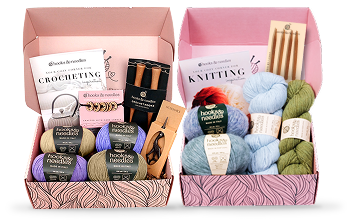
If you want to take the guesswork out of learning and get curated projects delivered, consider exploring Hooks & Needles subscription boxes designed specifically for your skill level and interests.
FAQ
What is the easiest project for knitting beginners first project?
A simple scarf or dishcloth using only knit stitches is the easiest first project. It helps build tension and stitch consistency without complicated shaping.
How long does it take to finish a knitting project as a beginner?
It varies, but small projects like scarves or hats typically take a few days to a few weeks depending on your knitting speed and available time.
How do I fix dropped stitches in my knitting?
Use a crochet hook or knitting needle to carefully pick the dropped stitch back up row by row until it’s secured in place. Practice helps prevent drops.
What yarn weight should I use for my first knitting project?
Medium weight yarn (also called worsted weight or category 4) is ideal for beginners because it’s easy to handle and shows stitches clearly.
Can I learn cables or lace patterns as a beginner?
Yes, but it’s best to build basic skills first. Subscription boxes or patterns that introduce cables or lace gradually can help avoid overwhelm.